ReadWriteThink - Powered by NCTE
  • About
  • Classroom Resources
    • Lesson Plans
    • Teaching Comics
    • Teaching With Primary Resources
    • Calendar
    • Printouts
    • Student Interactives
  • Collections
    • Assessment
    • Authors
    • Booklists
    • Media Literacy
    • Poetry
    • Primary Sources
    • Writing
  • Professional Development
    • Strategy Guides
    • Professional Library
    • Meetings & Events
  • Join NCTE
  • Contact Us
  • About
  • Classroom Resources
    • Lesson Plans
    • Teaching Comics
    • Teaching With Primary Resources
    • Calendar
    • Printouts
    • Student Interactives
  • Collections
    • Assessment
    • Authors
    • Booklists
    • Media Literacy
    • Poetry
    • Primary Sources
    • Writing
  • Professional Development
    • Strategy Guides
    • Professional Library
    • Meetings & Events
  • Join NCTE
  • Contact Us
  • Facebook
  • Twitter
  • Instagram
  • Pinterest
  • YouTube

Breadcrumb

  1. Home

Type

  • (-) Unit

Grades

  • 6 (4)
  • 7 (6)
  • 8 (6)
  • 9 (3)
  • 10 (3)
  • 11 (3)
  • 12 (3)

Learning Objectives

  • (-) critical thinking (9)
  • collaboration (6)
  • Comprehension (5)
  • digital literacy (2)
  • inquiry / research (3)
  • literary analysis (5)
  • Media literacy (3)
  • metacognition (3)
  • multicultural awareness (3)
  • multimodal literacy (5)
  • oral communication (2)
  • reading genres (1)
  • Vocabulary (2)
  • writing genres (4)
  • writing process (5)

Topics

  • (-) social action
  • arts
  • careers
  • community
  • drama
  • ELL
  • Family
  • fiction
  • Mathematics
  • nonfiction
  • poetry
  • science
  • social studies / history
  • STEM
Grades
9 - 12
|
Lesson Plan
|
Unit
Examining Transcendentalism through Popular Culture
Using excerpts from the works of Ralph Waldo Emerson and Henry David Thoreau, comics, and songs from different musical genres, students examine the characteristics of transcendentalism.

Accountable Book Clubs: Focused Discussions
Grades
7 - 8
|
Lesson Plan
|
Unit
Accountable Book Clubs: Focused Discussions
Students form literature circles, read Esperanza Rising or Becoming Naomi Leon by Pam Munoz Ryan, use a Critical Thinking Map to discuss social issues, and use a class wiki.
Grades
6 - 8
|
Lesson Plan
|
Unit
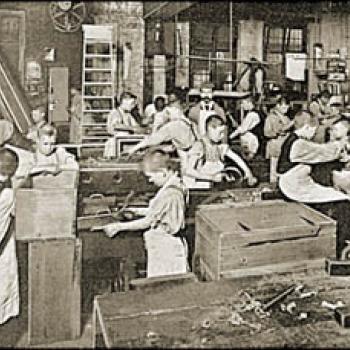
Giving Voice to Child Laborers Through Monologues
Students present monologues in the "voice" of someone involved in child labor in England, respond to questions, and then discuss contemporary child laborers and compare them to the past.
Finding Solutions to Food Waste: Persuasion in a Digital World
Grades
7 - 9
|
Lesson Plan
|
Unit
Finding Solutions to Food Waste: Persuasion in a Digital World
Using various reading strategies and resources, students explore the issue of food waste. They also create persuasive arguments and blog posts examining this topic.

Seeking Social Justice Through Satire: Jonathan Swift's "A Modest Proposal"
Grades
10 - 12
|
Lesson Plan
|
Unit
Seeking Social Justice Through Satire: Jonathan Swift's "A Modest Proposal"
This lesson assists advanced students in grades 10–12 in comprehending Jonathan Swift's "A Modest Proposal" and developing a presentation to satirize a contemporary social issue.

A Portrait of Our World: Making Connections and Developing Comprehension
Grades
6 - 8
|
Lesson Plan
|
Unit
A Portrait of Our World: Making Connections and Developing Comprehension

Students engage in carousel walks, character analyses, global explorations, and genre studies while using valuable language arts strategies to build higher-level comprehension skills.

MyTube: Changing the World With Video Public Service Announcements
Grades
9 - 12
|
Lesson Plan
|
Unit
MyTube: Changing the World With Video Public Service Announcements
This assignment will go viral with students as they think about the meanings of words and images in public service announcements from YouTube before creating a PSA of their own.

Crit Lit for Kids: From Critical Consciousness to Service Learning
Grades
6 - 8
|
Lesson Plan
|
Unit
Crit Lit for Kids: From Critical Consciousness to Service Learning
Students take their ideas from the classroom page to the community pavement when they participate in a service-learning project based on their multimedia presentations.

Fighting Injustice by Studying Lessons of the Past
Grades
6 - 8
|
Lesson Plan
|
Unit
Fighting Injustice by Studying Lessons of the Past
Social injustice occurs every day all over the world. In this lesson, students research a few historical examples of social injustice, including the Holocaust, the Trail of Tears, and Japanese internment.

Explore Resources by Grade

  • KindergartenK
  • 1-2
  • 3-4
  • 5-6
  • 7-8
  • 9-10
  • 11-12

RWT-logo

Powered By NCTE

Footer 1 Menu

  • About
  • Classroom Resources
  • Professional Development
  • Collections
  • Contact Us

Footer 2 Menu

  • National Council of Teachers of English
  • Contribute to RWT
  • FAQs
  • Join NCTE

Footer 3 Menu

  • Legal Notices
  • Privacy Policy
  • Promotional Materials
  • Site Demonstrations

Want to stay in touch with RWT and NCTE? Sign up here!

  • Facebook
  • Twitter
  • Instagram
  • Pinterest
  • YouTube

© NCTE 2026. All rights reserved