ReadWriteThink - Powered by NCTE
  • About
  • Classroom Resources
    • Lesson Plans
    • Teaching Comics
    • Teaching With Primary Resources
    • Calendar
    • Printouts
    • Student Interactives
  • Collections
    • Assessment
    • Authors
    • Booklists
    • Media Literacy
    • Poetry
    • Primary Sources
    • Writing
  • Professional Development
    • Strategy Guides
    • Professional Library
    • Meetings & Events
  • Join NCTE
  • Contact Us
  • About
  • Classroom Resources
    • Lesson Plans
    • Teaching Comics
    • Teaching With Primary Resources
    • Calendar
    • Printouts
    • Student Interactives
  • Collections
    • Assessment
    • Authors
    • Booklists
    • Media Literacy
    • Poetry
    • Primary Sources
    • Writing
  • Professional Development
    • Strategy Guides
    • Professional Library
    • Meetings & Events
  • Join NCTE
  • Contact Us
  • Facebook
  • Twitter
  • Instagram
  • Pinterest
  • YouTube

Breadcrumb

  1. Home

Type

  • (-) Classroom Resources
    • Calendar Activity
    • Lesson Plan

Grades

  • 1 (6)
  • 2 (6)
  • 3 (6)
  • 4 (6)
  • 5 (5)
  • 6 (7)
  • 7 (9)
  • 8 (9)
  • 9 (4)
  • 10 (3)
  • 11 (2)
  • 12 (2)
  • K (5)

Learning Objectives

  • (-) multimodal literacy (15)
  • collaboration (33)
  • Comprehension (31)
  • critical thinking (47)
  • Grammar (1)
  • inquiry / research (66)
  • listening (5)
  • literary analysis (7)
  • Media literacy (11)
  • metacognition (16)
  • multicultural awareness (3)
  • oral communication (10)
  • print awareness (5)
  • reading fluency (4)
  • reading genres (21)
  • text structure / story structure (17)
  • Vocabulary (20)
  • writing genres (24)
  • writing process (31)

Topics

  • (-) science
  • arts
  • careers
  • community
  • drama
  • ELL
  • Family
  • fiction
  • Mathematics
  • Mobile Learning
  • nonfiction
  • poetry
  • seasons / holidays
  • social action
  • social studies / history
  • Sports
  • STEM
Critical Literacy in Action: Multimodal Texts on Global Warming
Grades
6 - 8
|
Lesson Plan
|
Standard Lesson
Critical Literacy in Action: Multimodal Texts on Global Warming
Students will really warm up to this lesson about global warming as they study multimedia materials and use a variety of comprehension strategies.
Weather: A Journey in Nonfiction
Grades
K - 2
|
Lesson Plan
|
Unit
Weather: A Journey in Nonfiction
Questions about weather clear up when students use what they learned from their books to create a presentation to share with the rest of the class.
Finding Solutions to Food Waste: Persuasion in a Digital World
Grades
7 - 9
|
Lesson Plan
|
Unit
Finding Solutions to Food Waste: Persuasion in a Digital World
Using various reading strategies and resources, students explore the issue of food waste. They also create persuasive arguments and blog posts examining this topic.
Inspire Healthful Reading Using Unconventional Texts
Grades
K - 2
|
Lesson Plan
|
Minilesson
Inspire Healthful Reading Using Unconventional Texts
This minilesson encourages children to seek out and appropriately react to nutrition labels and to make healthy food choices, integrating science, math, health, and literacy.

Engineering the Perfect Poem by Using the Vocabulary of STEM
Grades
7 - 10
|
Lesson Plan
|
Standard Lesson
Engineering the Perfect Poem by Using the Vocabulary of STEM

Students research engineering careers and create poetry to understand the vocabulary of STEM (science, technology, engineering, and mathematics).

Grades
6 - 8
|
Lesson Plan
|
Unit
The Big, Bad Wolf...Is This a Fact?
Reading is revamped in this lesson in which students use a multimedia approach to study the books by Seymour Simon.

Digital Reflections: Expressing Understanding of Content Through Photography
Grades
6 - 8
|
Lesson Plan
|
Unit
Digital Reflections: Expressing Understanding of Content Through Photography
Striking images can leave lasting impressions on viewers. In this lesson, students make text–self–world connections to a nature- or science-related topic as they collaboratively design a multimedia presentation.
Grades
K - 2
|
Lesson Plan
|
Standard Lesson
Reading Informational Texts Using the 3-2-1 Strategy
Students can count on using the 3-2-1 strategy to help them successfully comprehend and write about an informational text.
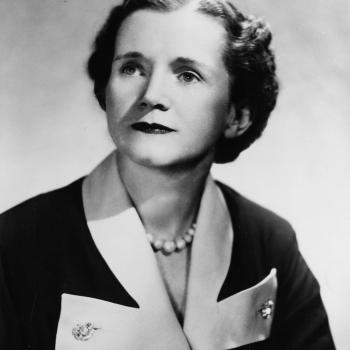
On this day in 1907, Rachel Carson was born.
Grades
3 - 12
|
Calendar Activity
|
Author & Text
On this day in 1907, Rachel Carson was born.
Students learn about Rachel Carson, explore different environmental websites, and write a Diamante Poem about a particular habitat.
Jane Yolen was born in 1939.
Grades
1 - 5
|
Calendar Activity
|
Author & Text
Jane Yolen was born in 1939.
Students read one of Jane Yolen's books, retell the story in the form of a puppet show, research animals in the book, and document their findings with the Animal Study interactive tool.
Science-fiction author Ray Bradbury was born in 1920.
Grades
7 - 12
|
Calendar Activity
|
Author & Text
Science-fiction author Ray Bradbury was born in 1920.
Students do a Bradbury author study and then create flyers to advertise their favorite story using the ReadWriteThink Printing Press.
Sally Ride, first American woman in space, was born in 1951.
Grades
3 - 8
|
Calendar Activity
|
Historical Figure & Event
Sally Ride, first American woman in space, was born in 1951.
After exploring information about Sally Ride on the StarKids Who's Who site, students write a letter using the Letter Generator to Dr. Ride's foundation, Sally Ride Science.
Dr. Christian Barnard performed the first human heart transplant.
Grades
K - 6
|
Calendar Activity
|
Historical Figure & Event
Dr. Christian Barnard performed the first human heart transplant.
Students talk about the causes of heart disease and the role that diet and exercise play. Then, students find healthy dessert recipes and vote on one dessert to make in class.
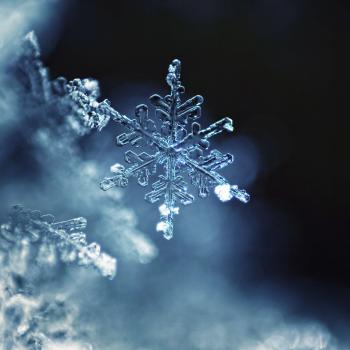
<em>Snowflake Bentley</em> illustrator Mary Azarian was born in 1940.
Grades
K - 4
|
Calendar Activity
|
Author & Text
Snowflake Bentley illustrator Mary Azarian was born in 1940.
Students catch snowflakes outdoors and sketch some of the structures, or grow their own snow crystals and examine them using magnifying glasses or microscopes.
Grades
3 - 8
|
Calendar Activity
|
Historical Figure & Event
The prototype for the World Wide Web was created in 1990.
Students look at pictures from the past using the WayBack Machine and brainstorm a few websites to explore to think about how they have changed over the years.

Explore Resources by Grade

  • KindergartenK
  • 1-2
  • 3-4
  • 5-6
  • 7-8
  • 9-10
  • 11-12

RWT-logo

Powered By NCTE

Footer 1 Menu

  • About
  • Classroom Resources
  • Professional Development
  • Collections
  • Contact Us

Footer 2 Menu

  • National Council of Teachers of English
  • Contribute to RWT
  • FAQs
  • Join NCTE

Footer 3 Menu

  • Legal Notices
  • Privacy Policy
  • Promotional Materials
  • Site Demonstrations

Want to stay in touch with RWT and NCTE? Sign up here!

  • Facebook
  • Twitter
  • Instagram
  • Pinterest
  • YouTube

© NCTE 2026. All rights reserved