ReadWriteThink - Powered by NCTE
  • About
  • Classroom Resources
    • Lesson Plans
    • Teaching Comics
    • Teaching With Primary Resources
    • Calendar
    • Printouts
    • Student Interactives
  • Collections
    • Assessment
    • Authors
    • Booklists
    • Media Literacy
    • Poetry
    • Primary Sources
    • Writing
  • Professional Development
    • Strategy Guides
    • Professional Library
    • Meetings & Events
  • Join NCTE
  • Contact Us
  • About
  • Classroom Resources
    • Lesson Plans
    • Teaching Comics
    • Teaching With Primary Resources
    • Calendar
    • Printouts
    • Student Interactives
  • Collections
    • Assessment
    • Authors
    • Booklists
    • Media Literacy
    • Poetry
    • Primary Sources
    • Writing
  • Professional Development
    • Strategy Guides
    • Professional Library
    • Meetings & Events
  • Join NCTE
  • Contact Us
  • Facebook
  • Twitter
  • Instagram
  • Pinterest
  • YouTube

Breadcrumb

  1. Home

Type

  • (-) Standard Lesson

Grades

  • 1 (9)
  • 2 (8)
  • 3 (24)
  • 4 (26)
  • 5 (29)
  • 6 (45)
  • 7 (46)
  • 8 (47)
  • 9 (52)
  • 10 (50)
  • 11 (44)
  • 12 (43)
  • K (8)

Learning Objectives

  • (-) multimodal literacy (112)
  • collaboration (249)
  • Comprehension (242)
  • critical thinking (244)
  • digital literacy (71)
  • Grammar (31)
  • inquiry / research (133)
  • listening (72)
  • literary analysis (210)
  • Media literacy (85)
  • metacognition (86)
  • multicultural awareness (37)
  • oral communication (107)
  • phonological awareness (33)
  • print awareness (37)
  • reading fluency (33)
  • reading genres (120)
  • Spelling (30)
  • text structure / story structure (113)
  • Vocabulary (100)
  • writing genres (189)
  • writing process (234)

Topics

  • arts
  • careers
  • community
  • drama
  • ELL
  • Family
  • fiction
  • Mathematics
  • Mobile Learning
  • nonfiction
  • poetry
  • science
  • seasons / holidays
  • social action
  • social studies / history
  • Sports
  • STEM
Grades
3 - 5
|
Lesson Plan
|
Standard Lesson
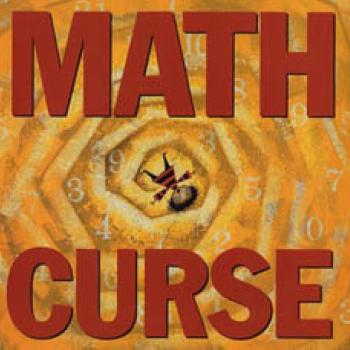
Solving the Math Curse: Reading and Writing Math Word Problems
Students' reading, writing, listening, and speaking skills add up as they decipher word problems and use what they've learned to solve a crossword puzzle.
Grades
3 - 5
|
Lesson Plan
|
Standard Lesson
Descriptive Video: Using Media Technology to Enhance Writing
Students will have a roaring good time when they watch a scene from The Lion King as a way to compare standard and described programming media.
What Are My Rights? Exploring and Writing About the Constitution
Grades
9 - 12
|
Lesson Plan
|
Standard Lesson
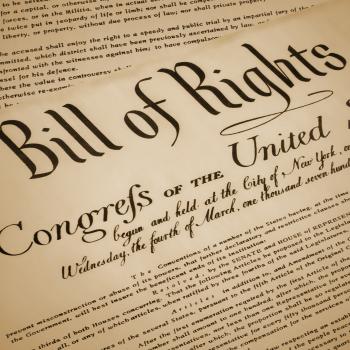
What Are My Rights? Exploring and Writing About the Constitution

Students speak up in this lesson about rights, examining the Constitution in the context of issues that affect their everyday lives.

Grades
6 - 8
|
Lesson Plan
|
Standard Lesson
I've Got It Covered! Creating Magazine Covers to Summarize Texts
Start the presses! Catchy titles, eye-popping graphics, and attractive fonts are all on students' agendas in this lesson as they create magazine covers to summarize a topic.
Grades
9 - 12
|
Lesson Plan
|
Standard Lesson
Exploring Disability Using Multimedia and the B-D-A Reading Strategy
History takes on new dimensions in this interactive multimedia lesson that emphasizes the B-D-A approach to research as students investigate the experiences of people with disabilities since the early 1800s.
Grades
3 - 5
|
Lesson Plan
|
Standard Lesson
Figurative Language: Teaching Idioms
It's raining cats and dogs! Students explore figurative language through read-alouds, teacher modeling, and student-centered activities, further developing their understanding of the literal versus the metaphorical translations of idioms.
Grades
K - 2
|
Lesson Plan
|
Standard Lesson
The Big Green Monster Teaches Phonics in Reading and Writing
A big green monster helps students build their reading fluency and word recognition skills through choral reading, literacy center activities, and writing stories.

Spelling Cheerleading: Integrating Movement and Spelling Generalizations
Grades
K - 5
|
Lesson Plan
|
Standard Lesson
Spelling Cheerleading: Integrating Movement and Spelling Generalizations
"2-4-6-8, students will be spelling great" in this lesson that teaches the y rule for adding suffixes through cheering the spelling of words aloud, word sorts, and writing stories.
Magazine Redux: An Exercise in Critical Literacy
Grades
9 - 12
|
Lesson Plan
|
Standard Lesson
Magazine Redux: An Exercise in Critical Literacy
Paper and pixels get compared in this lesson in which students compare both printed and online versions of a magazine.
Teaching Point of View With <em>Two Bad Ants</em>
Grades
3 - 5
|
Lesson Plan
|
Standard Lesson
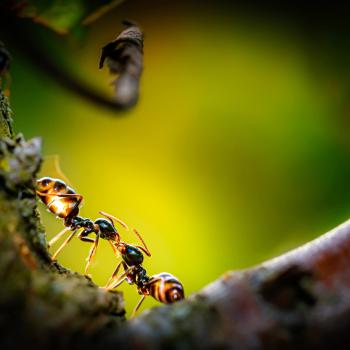
Teaching Point of View With Two Bad Ants
Students will be crawling all over this assignment when they use illustrations and text to learn about life from a bug's point of view.

Going on a Shape Hunt: Integrating Math and Literacy
Grades
K - 2
|
Lesson Plan
|
Standard Lesson
Going on a Shape Hunt: Integrating Math and Literacy
Students participate in a scavenger hunt for shapes; reading, writing, and discussion of shapes encourage literacy and math skills.
Applying Question-Answer Relationships to Pictures
Grades
3 - 5
|
Lesson Plan
|
Standard Lesson
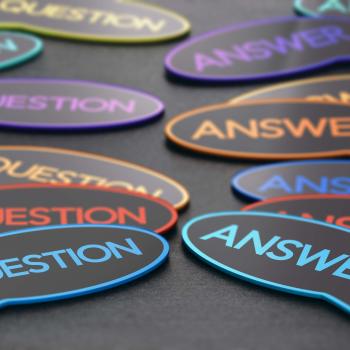
Applying Question-Answer Relationships to Pictures
A picture is worth a thousand words as students are guided in viewing wordless picture books and responding to four different types of questions about the images they see.
Timelines and Texts: Motivating Students to Read Nonfiction
Grades
6 - 8
|
Lesson Plan
|
Standard Lesson
Timelines and Texts: Motivating Students to Read Nonfiction
In an effort to help motivate students to read nonfiction, students are challenged to use a timeline to help them name the year when certain products were invented.
Creative Communication Frames: Discovering Similarities between Writing and Art
Grades
6 - 8
|
Lesson Plan
|
Standard Lesson
Creative Communication Frames: Discovering Similarities between Writing and Art
Graphic organizers assist the development of comparative vocabulary and generate discussions of analogy and metaphor in art as students go on a real or virtual tour of an art gallery.

Engineering the Perfect Poem by Using the Vocabulary of STEM
Grades
7 - 10
|
Lesson Plan
|
Standard Lesson
Engineering the Perfect Poem by Using the Vocabulary of STEM

Students research engineering careers and create poetry to understand the vocabulary of STEM (science, technology, engineering, and mathematics).

Using American Sign Language to Improve Comprehension and Vocabulary
Grades
1 - 3
|
Lesson Plan
|
Standard Lesson
Using American Sign Language to Improve Comprehension and Vocabulary
American Sign Language is combined with the hilarious poetry and pictures of Sam's Sandwich, a lift-the-flap book, to engage all types of learners in acquiring key vocabulary.
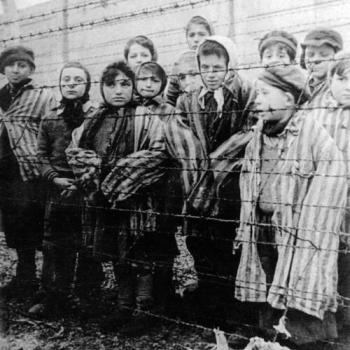
Using Technology to Analyze and Illustrate Symbolism in <em>Night</em>
Grades
6 - 8
|
Lesson Plan
|
Standard Lesson
Using Technology to Analyze and Illustrate Symbolism in Night
Images have power—they can trigger memories or symbolize abstract ideas. Students put the power of images to the test as they analyze symbolism in Night and create symbolic photomontages.

Lights, Camera, Action...Music: Critiquing Films Using Sight and Sound
Grades
9 - 12
|
Lesson Plan
|
Standard Lesson
Lights, Camera, Action...Music: Critiquing Films Using Sight and Sound
Movie music and magic set the scene for this lesson in which students analyze a scene from Good Morning, Vietnam and then create a scene of their own.

BioBags: Linking Literature and Life
Grades
3 - 5
|
Lesson Plan
|
Standard Lesson
BioBags: Linking Literature and Life
Students create BioBags, a collection of texts that mark special times in their lives. BioBags provide a way for students to share a variety of events and texts.
Blogging With Photovoice: Sharing Pictures in an Integrated Classroom
Grades
9 - 12
|
Lesson Plan
|
Standard Lesson
Blogging With Photovoice: Sharing Pictures in an Integrated Classroom
Make the most of your students' diverse ability levels and experience with a prewriting activity in which they describe an abstract idea using blogging and photographs that they have taken.

Pagination

  • First page « First
  • Previous page ‹‹
  • Page 1
  • Page 2
  • Page 3
  • Page 4
  • Page 5
  • Page 6
  • Next page ››
  • Last page Last »

Explore Resources by Grade

  • KindergartenK
  • 1-2
  • 3-4
  • 5-6
  • 7-8
  • 9-10
  • 11-12

RWT-logo

Powered By NCTE

Footer 1 Menu

  • About
  • Classroom Resources
  • Professional Development
  • Collections
  • Contact Us

Footer 2 Menu

  • National Council of Teachers of English
  • Contribute to RWT
  • FAQs
  • Join NCTE

Footer 3 Menu

  • Legal Notices
  • Privacy Policy
  • Promotional Materials
  • Site Demonstrations

Want to stay in touch with RWT and NCTE? Sign up here!

  • Facebook
  • Twitter
  • Instagram
  • Pinterest
  • YouTube

© NCTE 2026. All rights reserved
