ReadWriteThink - Powered by NCTE
  • About
  • Classroom Resources
    • Lesson Plans
    • Teaching Comics
    • Teaching With Primary Resources
    • Calendar
    • Printouts
    • Student Interactives
  • Collections
    • Assessment
    • Authors
    • Booklists
    • Media Literacy
    • Poetry
    • Primary Sources
    • Writing
  • Professional Development
    • Strategy Guides
    • Professional Library
    • Meetings & Events
  • Join NCTE
  • Contact Us
  • About
  • Classroom Resources
    • Lesson Plans
    • Teaching Comics
    • Teaching With Primary Resources
    • Calendar
    • Printouts
    • Student Interactives
  • Collections
    • Assessment
    • Authors
    • Booklists
    • Media Literacy
    • Poetry
    • Primary Sources
    • Writing
  • Professional Development
    • Strategy Guides
    • Professional Library
    • Meetings & Events
  • Join NCTE
  • Contact Us
  • Facebook
  • Twitter
  • Instagram
  • Pinterest
  • YouTube

Breadcrumb

  1. Home

Type

  • Classroom Resources
  • Professional Development

Grades

  • 1 (6)
  • 2 (7)
  • 3 (14)
  • 4 (17)
  • 5 (21)
  • 6 (28)
  • 7 (28)
  • 8 (29)
  • 9 (25)
  • 10 (22)
  • 11 (23)
  • 12 (23)
  • K (5)

Learning Objectives

  • (-) inquiry / research (44)
  • collaboration (61)
  • Comprehension (68)
  • critical thinking (76)
  • digital literacy (26)
  • Grammar (15)
  • listening (34)
  • literary analysis (67)
  • Media literacy (16)
  • metacognition (45)
  • multicultural awareness (19)
  • multimodal literacy (33)
  • oral communication (34)
  • phonological awareness (11)
  • print awareness (12)
  • reading fluency (11)
  • reading genres (39)
  • Spelling (11)
  • text structure / story structure (30)
  • Vocabulary (42)
  • writing genres (87)
  • writing process (72)

Topics

  • (-) poetry
  • (-) STEM
  • arts
  • careers
  • community
  • drama
  • ELL
  • Family
  • fiction
  • Mathematics
  • Mobile Learning
  • nonfiction
  • science
  • seasons / holidays
  • social action
  • social studies / history
  • Sports
Facilitating Student-Led Seminar Discussions with <em>The Piano Lesson</em>
Grades
9 - 12
|
Lesson Plan
|
Standard Lesson
Facilitating Student-Led Seminar Discussions with The Piano Lesson
August Wilson's play The Piano Lesson invites students to ask a number of questions—big and small. Students learn how to create effective discussion questions and then put them to use in student-led discussions.
Modeling Reading and Analysis Processes with the Works of Edgar Allan Poe
Grades
6 - 8
|
Lesson Plan
|
Unit
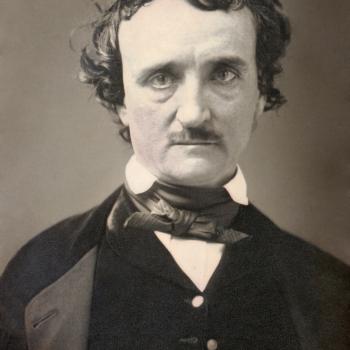
Modeling Reading and Analysis Processes with the Works of Edgar Allan Poe
Explore reading strategies using Edgar Allan Poe's "The Raven" and other works. Students read Poe's works in both large- and small-group readings then conclude with a variety of projects.

Making History Come Alive Through Poetry and Song
Grades
6 - 12
|
Lesson Plan
|
Standard Lesson
Making History Come Alive Through Poetry and Song

Students compare the sinking of the Edmund Fitzgerald with the song, "The Wreck of the Edmund Fitzgerald," then create their own poetry about a historical event.

Glogging About Natural Disasters
Grades
5 - 8
|
Lesson Plan
|
Standard Lesson
Glogging About Natural Disasters
After researching various natural disasters, students share their findings with each other using glogs, or through poster presentations.
Active Reading through Self-Assessment: The Student-Made Quiz
Grades
6 - 12
|
Lesson Plan
|
Recurring Lesson
Active Reading through Self-Assessment: The Student-Made Quiz

This recurring lesson encourages students to comprehend their reading through inquiry and collaboration. They choose important quotations from the text and work in groups to formulate "quiz" questions that their peers will answer.
Writing Acrostic Poems with Thematically Related Texts in the Content Areas
Grades
2 - 5
|
Lesson Plan
|
Standard Lesson
Writing Acrostic Poems with Thematically Related Texts in the Content Areas
Students read thematically related texts, scaffolded from simple to complex, to help them gather necessary concept vocabulary and background knowledge in a content area. They then write acrostic poems to organize and present their learning in a creative way.
Sharing Information about Careers with Infographics
Grades
6 - 9
|
Lesson Plan
|
Standard Lesson
Sharing Information about Careers with Infographics
Students research careers of their own choosing. Then using Piktochart, students create their own infographics to illustrate their research.
Examining History with Maya Angelou's Poetry
Grades
6 - 8
|
Lesson Plan
|
Standard Lesson
Examining History with Maya Angelou's Poetry

To understand the historical background that influenced Maya Angelou's poems, students research events to produce trading cards using the ReadWriteThink Trading Card Student Interactive. Through the sharing of these trading cards, students understand the historical background as they analyze Angelou's poetry.
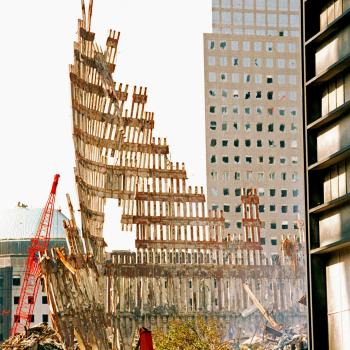
Huge Mistakes that Led to Catastrophe: Learning about Human-made Disasters throughout History
Grades
5 - 8
|
Lesson Plan
|
Standard Lesson
Huge Mistakes that Led to Catastrophe: Learning about Human-made Disasters throughout History
After researching various human-made disasters such as the BP oil spill, the sinking of the Titanic, and the Great Chicago Fire, students share their research in oral presentations. Then students pair up to compare and contrast their disasters using the Venn Diagram Student Interactive or the Venn diagram Mobile App.
Learning about Clouds with Haikus
Grades
4 - 6
|
Lesson Plan
|
Standard Lesson
Learning about Clouds with Haikus
Using a mobile app or Interactive activity, students write haikus describing various types of clouds that they have studied.

Greetings from the Biomes of the World
Grades
6 - 8
|
Lesson Plan
|
Standard Lesson
Greetings from the Biomes of the World
To share their research on biomes, students use iPads to create postcards from all over the world.
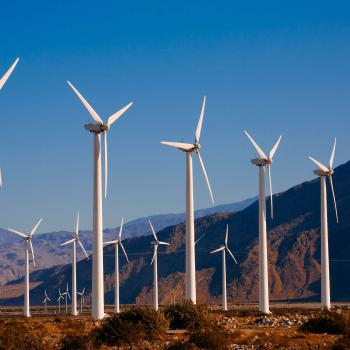
Getting Graphic with Alternative Energy Sources
Grades
7 - 12
|
Lesson Plan
|
Standard Lesson
Getting Graphic with Alternative Energy Sources
After researching alternative sources of energy, students create online comic books to present their information.
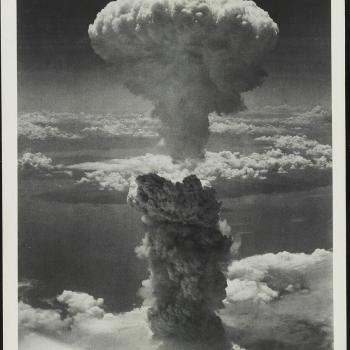
A Blast from the Past with Nuclear Chemistry
Grades
11 - 12
|
Lesson Plan
|
Standard Lesson
A Blast from the Past with Nuclear Chemistry
After researching the history and basic facts of a nuclear chemistry topic, students utilize the Web 2.0 tool Timetoast to create an electronic timeline that they use to present their research to the class.
Fashion Fun with Fossil Fuels
Grades
9 - 12
|
Lesson Plan
|
Standard Lesson
Fashion Fun with Fossil Fuels
After researching specific fossil fuel issues, students create their own clothing brands that express their opinions about the issues and then share their information and clothing line using either PowerPoint or Prezi.
Trading Information about Minerals Through Trading Cards
Grades
6 - 8
|
Lesson Plan
|
Standard Lesson
Trading Information about Minerals Through Trading Cards
Using the free Trading Cards Mobile App, students create trading cards to share properties of various minerals with their classmates and connect the use of minerals to their own lives.
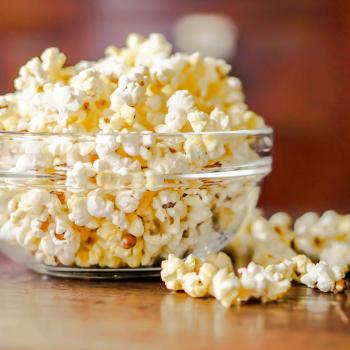
Poppin' Fun with Physical and Chemical Changes
Grades
6 - 9
|
Lesson Plan
|
Standard Lesson
Poppin' Fun with Physical and Chemical Changes
Students will enjoy learning about physical and chemical changes as they turn their own photos into a narrated video using the iPad app SonicPics to illustrate (and eat) their results from a popcorn lab.
Quantitative Civic Reasoning
Grades
4 - 12
|
Professional Library
|
Professional Library
Quantitative Civic Reasoning: A Guide for Centering Civic Innovation in Math and English Language Arts Classrooms

This guide explores quantitative civic reasoning in English and math classrooms.
Stapleless Book
Grades
K - 12
|
Student Interactive
|
Writing & Publishing Prose
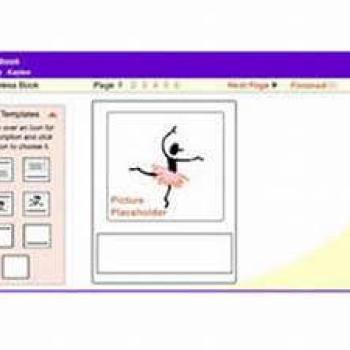
Stapleless Book

The Stapleless Book can be used for taking notes while reading, making picture books, collecting facts, or creating vocabulary booklets . . . the possibilities are endless!
Power of Picture Books, The: Using Content Area Literature in Middle School
Grades
5 - 9
|
Professional Library
|
Book
Power of Picture Books, The: Using Content Area Literature in Middle School
Featuring descriptions and activities for fifty exceptional titles, Mary Jo Fresch and Peggy Harkins offer a wealth of ideas for harnessing the power of picture books to improve reading and writing in the content areas.
Grades
6 - 12
|
Science Books for Teens

Books about science allow readers to encounter new concepts, ask new questions, and discover what we can learn simply by paying close attention to our surroundings. You'll hear about ecology and climate change, food production, infectious disease, ancient human history, the universe, and our power as humans for both ingenuity and destruction.

Pagination

  • Page 1
  • Page 2
  • Page 3
  • Next page ››
  • Last page Last »

Explore Resources by Grade

  • KindergartenK
  • 1-2
  • 3-4
  • 5-6
  • 7-8
  • 9-10
  • 11-12

RWT-logo

Powered By NCTE

Footer 1 Menu

  • About
  • Classroom Resources
  • Professional Development
  • Collections
  • Contact Us

Footer 2 Menu

  • National Council of Teachers of English
  • Contribute to RWT
  • FAQs
  • Join NCTE

Footer 3 Menu

  • Legal Notices
  • Privacy Policy
  • Promotional Materials
  • Site Demonstrations

Want to stay in touch with RWT and NCTE? Sign up here!

  • Facebook
  • Twitter
  • Instagram
  • Pinterest
  • YouTube

© NCTE 2026. All rights reserved