ReadWriteThink - Powered by NCTE
  • About
  • Classroom Resources
    • Lesson Plans
    • Teaching Comics
    • Teaching With Primary Resources
    • Calendar
    • Printouts
    • Student Interactives
  • Collections
    • Assessment
    • Authors
    • Booklists
    • Media Literacy
    • Poetry
    • Primary Sources
    • Writing
  • Professional Development
    • Strategy Guides
    • Professional Library
    • Meetings & Events
  • Join NCTE
  • Contact Us
  • About
  • Classroom Resources
    • Lesson Plans
    • Teaching Comics
    • Teaching With Primary Resources
    • Calendar
    • Printouts
    • Student Interactives
  • Collections
    • Assessment
    • Authors
    • Booklists
    • Media Literacy
    • Poetry
    • Primary Sources
    • Writing
  • Professional Development
    • Strategy Guides
    • Professional Library
    • Meetings & Events
  • Join NCTE
  • Contact Us
  • Facebook
  • Twitter
  • Instagram
  • Pinterest
  • YouTube

Breadcrumb

  1. Home

Type

  • Classroom Resources
  • Professional Development

Grades

  • 1 (67)
  • 2 (70)
  • 3 (104)
  • 4 (106)
  • 5 (125)
  • 6 (139)
  • 7 (146)
  • 8 (153)
  • 9 (133)
  • 10 (127)
  • 11 (125)
  • 12 (125)
  • K (55)

Learning Objectives

  • collaboration (88)
  • Comprehension (100)
  • critical thinking (126)
  • digital literacy (33)
  • Grammar (17)
  • inquiry / research (100)
  • listening (39)
  • literary analysis (73)
  • Media literacy (27)
  • metacognition (60)
  • multicultural awareness (22)
  • multimodal literacy (45)
  • oral communication (41)
  • phonological awareness (11)
  • print awareness (19)
  • reading fluency (16)
  • reading genres (66)
  • Spelling (12)
  • text structure / story structure (49)
  • Vocabulary (63)
  • writing genres (106)
  • writing process (100)

Topics

  • (-) poetry
  • (-) science
  • arts
  • careers
  • community
  • drama
  • ELL
  • Family
  • fiction
  • Mathematics
  • Mobile Learning
  • nonfiction
  • seasons / holidays
  • social action
  • social studies / history
  • Sports
  • STEM
Combining Read-Alouds With Economics in the Primary Grades
Grades
K - 2
|
Lesson Plan
|
Standard Lesson
Combining Read-Alouds With Economics in the Primary Grades
Students learn that what you read in books can really add up when they analyze literary texts for economic concepts.

The Magnetism of Language: Parts of Speech, Poetry, and Word Play
Grades
6 - 8
|
Lesson Plan
|
Standard Lesson
The Magnetism of Language: Parts of Speech, Poetry, and Word Play
What wonderful ways words work! The parts of speech are the highlight of this lesson in which students identify parts of speech in a nonsensical poem and then create their own wild and wacky rhymes.
Let's Read It Again: Comprehension Strategies for English-Language Learners
Grades
K - 2
|
Lesson Plan
|
Standard Lesson
Let's Read It Again: Comprehension Strategies for English-Language Learners
Help Spanish-speaking English-language learners unlock the mysteries of their new language by using a bilingual book to recognize unfamiliar words and construct meaning from the text.
Reading and Writing About Pollution to Understand Cause and Effect
Grades
3 - 5
|
Lesson Plan
|
Standard Lesson
Reading and Writing About Pollution to Understand Cause and Effect
Students get to write a whale of a tale when they complete a graphic organizer sequencing the journey of a mountain fish to a polluted waterway.
Zines for Kids: Multigenre Texts About Media Icons
Grades
3 - 5
|
Lesson Plan
|
Unit
Zines for Kids: Multigenre Texts About Media Icons
Special edition! Students use ReadWriteThink tools to create magazines about prominent figures using a variety of writing genres and styles.
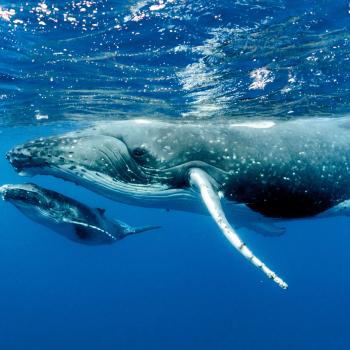
Reading and Writing About Whales Using Fiction and Nonfiction Texts
Grades
K - 2
|
Lesson Plan
|
Unit
Reading and Writing About Whales Using Fiction and Nonfiction Texts
Students will have a whale of a good time in this lesson in which they use fiction and nonfiction texts to write a letter to an online scientist.
Phonic Generalizations in <em>Chrysanthemum</em>
Grades
K - 2
|
Lesson Plan
|
Minilesson
Phonic Generalizations in Chrysanthemum
Students learn about word families by reading Kevin Henkes's book Chrysanthemum, identifying words with certain vowel pair endings, and reading words with similar endings.
Whole-to-Parts Phonics Instruction: Teaching Letter-Sound Correspondences
Grades
K - 2
|
Lesson Plan
|
Standard Lesson
Whole-to-Parts Phonics Instruction: Teaching Letter-Sound Correspondences
Students will find that learning onset and rime is a handy skill when they read the Jack and Jill rhyme.

Poetry Portfolios: Using Poetry to Teach Reading
Grades
K - 2
|
Lesson Plan
|
Standard Lesson
Poetry Portfolios: Using Poetry to Teach Reading
Teach your students about sentence structure, rhyming words, sight words, vocabulary, and print concepts using a weekly poem.
Alaska Native Stories: Using Narrative to Introduce Expository Text
Grades
3 - 5
|
Lesson Plan
|
Standard Lesson
Alaska Native Stories: Using Narrative to Introduce Expository Text
Tradition and technology come together in this lesson in which students learn about Alaskan animals through Native American tales and their own online research.
Multimedia Responses to Content Area Topics Using Fact-"Faction"-Fiction
Grades
3 - 5
|
Lesson Plan
|
Standard Lesson
Multimedia Responses to Content Area Topics Using Fact-"Faction"-Fiction

Students climb into the mind of a spider in this lesson that asks them to compose a spider diary using spider facts, fiction, and "faction"—fiction that sounds like fact.

Using THIEVES to Preview Nonfiction Texts
Grades
6 - 8
|
Lesson Plan
|
Standard Lesson
Using THIEVES to Preview Nonfiction Texts
Students become "thieves" in this lesson as they use a previewing strategy to "steal" information from textbooks and other nonfiction texts before actually reading them.

From Fact to Fiction: Drawing and Writing Stories
Grades
K - 2
|
Lesson Plan
|
Unit
From Fact to Fiction: Drawing and Writing Stories
Students gather factual information about frogs and toads to create nonfiction and fiction stories. Drawing is used for prewriting.

Grades
6 - 8
|
Lesson Plan
|
Unit
The Big, Bad Wolf...Is This a Fact?
Reading is revamped in this lesson in which students use a multimedia approach to study the books by Seymour Simon.
Peace Poems and Picasso Doves: Literature, Art, Technology, and Poetry
Grades
3 - 5
|
Lesson Plan
|
Unit
Peace Poems and Picasso Doves: Literature, Art, Technology, and Poetry

Students apply think-aloud strategies to reading and to composition of artwork and poetry. They research symbols of peace as they prewrite, compose, and publish their poetry.

Protecting Our Precious Planet: Sharing the Message of Earth Day
Grades
K - 2
|
Lesson Plan
|
Standard Lesson
Protecting Our Precious Planet: Sharing the Message of Earth Day
Students discover that they can make a world of difference when they participate in the online Earth Day bag program.
Pairing Fiction With Poetry and Performance
Grades
9 - 12
|
Lesson Plan
|
Unit
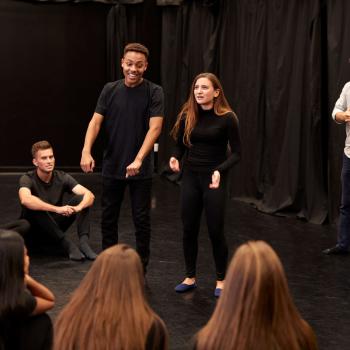
Pairing Fiction With Poetry and Performance
Make connections across genres and across cultures to engage students in the study of literary voice and themes. Comprehension skills and vocabulary also come into play, especially for English language learners, as students read a novel and related poems, then write and perform original poems related to the novel.

Digital Reflections: Expressing Understanding of Content Through Photography
Grades
6 - 8
|
Lesson Plan
|
Unit
Digital Reflections: Expressing Understanding of Content Through Photography
Striking images can leave lasting impressions on viewers. In this lesson, students make text–self–world connections to a nature- or science-related topic as they collaboratively design a multimedia presentation.

Slipping, Sliding, Tumbling: Reinforcing Cause and Effect Through Diamante Poems
Grades
6 - 8
|
Lesson Plan
|
Standard Lesson
Slipping, Sliding, Tumbling: Reinforcing Cause and Effect Through Diamante Poems

Writing, revising, and publishing are just a few of the tasks students will complete in order to take their cause-and-effect diamante poems from an idea to a reality.

Grades
K - 2
|
Lesson Plan
|
Standard Lesson
Reading Informational Texts Using the 3-2-1 Strategy
Students can count on using the 3-2-1 strategy to help them successfully comprehend and write about an informational text.

Pagination

  • First page « First
  • Previous page ‹‹
  • …
  • Page 7
  • Page 8
  • Page 9
  • Page 10
  • Page 11
  • Page 12
  • Page 13
  • Page 14
  • Page 15
  • …
  • Next page ››
  • Last page Last »

Explore Resources by Grade

  • KindergartenK
  • 1-2
  • 3-4
  • 5-6
  • 7-8
  • 9-10
  • 11-12

RWT-logo

Powered By NCTE

Footer 1 Menu

  • About
  • Classroom Resources
  • Professional Development
  • Collections
  • Contact Us

Footer 2 Menu

  • National Council of Teachers of English
  • Contribute to RWT
  • FAQs
  • Join NCTE

Footer 3 Menu

  • Legal Notices
  • Privacy Policy
  • Promotional Materials
  • Site Demonstrations

Want to stay in touch with RWT and NCTE? Sign up here!

  • Facebook
  • Twitter
  • Instagram
  • Pinterest
  • YouTube

© NCTE 2026. All rights reserved