ReadWriteThink - Powered by NCTE
  • About
  • Classroom Resources
    • Lesson Plans
    • Teaching Comics
    • Teaching With Primary Resources
    • Calendar
    • Printouts
    • Student Interactives
  • Collections
    • Assessment
    • Authors
    • Booklists
    • Media Literacy
    • Poetry
    • Primary Sources
    • Writing
  • Professional Development
    • Strategy Guides
    • Professional Library
    • Meetings & Events
  • Join NCTE
  • Contact Us
  • About
  • Classroom Resources
    • Lesson Plans
    • Teaching Comics
    • Teaching With Primary Resources
    • Calendar
    • Printouts
    • Student Interactives
  • Collections
    • Assessment
    • Authors
    • Booklists
    • Media Literacy
    • Poetry
    • Primary Sources
    • Writing
  • Professional Development
    • Strategy Guides
    • Professional Library
    • Meetings & Events
  • Join NCTE
  • Contact Us
  • Facebook
  • Twitter
  • Instagram
  • Pinterest
  • YouTube

Breadcrumb

  1. Home

Type

  • Classroom Resources
  • Professional Development

Grades

  • 1 (71)
  • 2 (78)
  • 3 (148)
  • 4 (150)
  • 5 (169)
  • 6 (234)
  • 7 (222)
  • 8 (231)
  • 9 (246)
  • 10 (244)
  • 11 (240)
  • 12 (239)
  • K (58)

Learning Objectives

  • collaboration (159)
  • Comprehension (216)
  • critical thinking (219)
  • digital literacy (50)
  • Grammar (11)
  • inquiry / research (77)
  • listening (72)
  • literary analysis (209)
  • Media literacy (57)
  • metacognition (91)
  • multicultural awareness (42)
  • multimodal literacy (78)
  • oral communication (78)
  • phonological awareness (19)
  • print awareness (26)
  • reading fluency (23)
  • reading genres (160)
  • Spelling (14)
  • text structure / story structure (111)
  • Vocabulary (62)
  • writing genres (116)
  • writing process (132)

Topics

  • (-) fiction
  • (-) Mobile Learning
  • arts
  • careers
  • community
  • drama
  • ELL
  • Family
  • Mathematics
  • nonfiction
  • poetry
  • science
  • seasons / holidays
  • social action
  • social studies / history
  • Sports
  • STEM
Judith Ortiz Cofer in the Classroom: A Woman in Front of the Sun
Grades
8 - 12
|
Professional Library
|
Book
Judith Ortiz Cofer in the Classroom: A Woman in Front of the Sun
Carol Jago offers ways to teach the works of Judith Ortiz Cofer in the high school English classroom.

Amy Tan in the Classroom: "The art of invisible strength"
Grades
8 - 12
|
Professional Library
|
Book
Amy Tan in the Classroom: "The art of invisible strength"
Offers high school teachers an activity-based approach to teaching the works of Amy Tan, especially The Joy Luck Club and The Opposite of Fate.
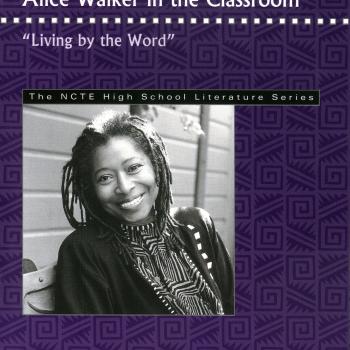
Alice Walker in the Classroom: "Living by the Word"
Grades
8 - 12
|
Professional Library
|
Book
Alice Walker in the Classroom: "Living by the Word"
Carol Jago offers readers a handy guide for bringing this celebrated author's work into the classroom, including biographical information, ideas for literature circles using Walker's short stories, sample writing lessons using Walker's poems, suggestions for teaching The Color Purple, and a wealth of resources for further investigation of Alice Walker and her work.
Facilitating Participation with Silent Conversations
Grades
Grades
5 - 12
|
Strategy Guide
Facilitating Participation with Silent Conversations
This guide introduces silent conversations, a collaborative learning technique that has students thinking, sharing, and reflecting about important questions—but through writing rather than talk.
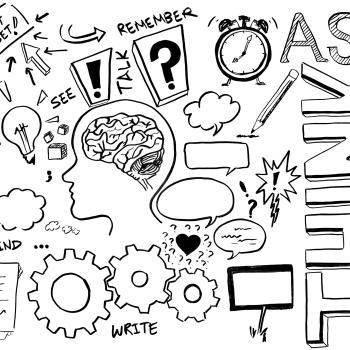
The Art of the Doodle: Writing with Imagination
Grades
Grades
5 - 12
|
Strategy Guide
The Art of the Doodle: Writing with Imagination
Use independent, imaginative artwork and varied writing prompts to assess understanding of a given topic for a student body with differentiated needs.

Using Concept Circles to Develop Academic Vocabulary
Grades
Grades
3 - 12
|
Strategy Guide
Using Concept Circles to Develop Academic Vocabulary
In this guide, you will learn how to use the Concept Circles strategy to support vocabulary development and comprehension of complex text.
Using Word Walls to Develop and Maintain Academic Vocabulary
Grades
Grades
K - 12
|
Strategy Guide
Using Word Walls to Develop and Maintain Academic Vocabulary
In this guide, you will learn how to use Word Walls to support vocabulary development and retention.
Using Generative Sentences to Apply Academic Vocabulary
Grades
Grades
4 - 12
|
Strategy Guide
Using Generative Sentences to Apply Academic Vocabulary
In this guide, you will learn how to use generative sentences to give students opportunities to apply their knowledge of new words in writing.

Developing Evidence-Based Arguments from Texts
Grades
Grades
6 - 12
|
Strategy Guide
Developing Evidence-Based Arguments from Texts

This strategy guide clarifies the difference between persuasion and argumentation, stressing the connection between close reading of text to gather evidence and formation of a strong argumentative claim about text.
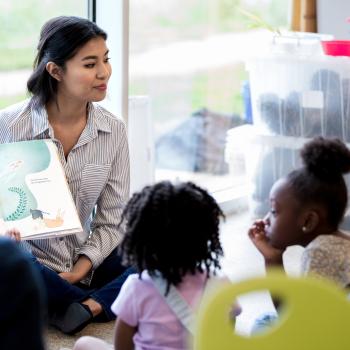
Depend on the Text! How to Create Text-Dependent Questions
Grades
Grades
1 - 3
|
Strategy Guide
Depend on the Text! How to Create Text-Dependent Questions
Teachers need to create text-dependent questions to elicit close reading. When answering these questions, students learn to reread and think deeply about the text.

Promote Deep Thinking! How to Choose a Complex Text
Grades
Grades
1 - 3
|
Strategy Guide
Promote Deep Thinking! How to Choose a Complex Text
Complex texts promote deep thinking and critical analysis by students. Through close reading of a complex text, students' independent reading abilities also increase.

Close Reading of Literary Texts
Grades
Grades
6 - 12
|
Strategy Guide
Close Reading of Literary Texts
This guide provides strategies for choosing text that is appropriate for close reading and to plan for instruction.
Reading on the Go
Grades
Grades
5 - 12
|
Strategy Guide
Reading on the Go
In this Strategy Guide, learn how to prepare yourself and your students for reading and note-taking in mobile environments.

Get Close to Think Deeply: Creating Primary-Level Close Readings
Grades
Grades
1 - 3
|
Strategy Guide
Get Close to Think Deeply: Creating Primary-Level Close Readings
Close readings allow primary students to engage with complex texts. Through repeated reading, students build a deep understanding of the text and critical thinking skills.

Making the Reading Process Visible through Performance Assessment
Grades
Grades
6 - 12
|
Strategy Guide
Making the Reading Process Visible through Performance Assessment
Effective differentiation begins with purposeful assessment. In this strategy guide, you'll learn how to construct an authentic performance-based reading assessment that will give you access to students' thinking before, during, and after reading.
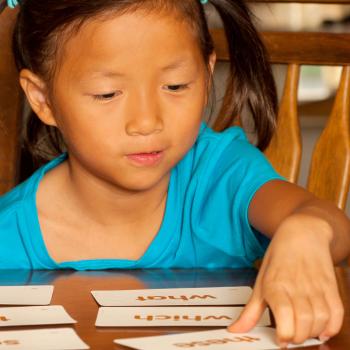
Introducing Ideas and Vocabulary with the Concept Sort
Grades
Grades
K - 8
|
Strategy Guide
Introducing Ideas and Vocabulary with the Concept Sort
A Concept Sort is a vocabulary and comprehension strategy used with students to introduce new topics and/or familiarize students with new vocabulary.
Using Paired Reading to Increase Fluency and Peer Cooperation
Grades
Grades
K - 6
|
Strategy Guide
Using Paired Reading to Increase Fluency and Peer Cooperation
In this strategy, students read aloud to each other, pairing more fluent readers with less fluent readers. This strategy can also be used to pair older students with younger students to create "reading buddies."

Bringing Lessons to Life with Animoto
Grades
Grades
5 - 12
|
Strategy Guide
Bringing Lessons to Life with Animoto
Using Animoto, a free Web 2.0 tool, students can develop short digital videos that include music, photos, video clips, and text as well as share their creations electronically.
Speak to Me: Teaching with Voki
Grades
Grades
6 - 12
|
Strategy Guide
Speak to Me: Teaching with Voki
Through Voki, a Web 2.0 tool, students create customizable avatars for class presentations for various purposes, such as presenting biographical information, expressing an opinion, or reading a poem.

Tracking the Ways Writers Develop Heroes and Villains
Grades
9 - 12
|
Lesson Plan
|
Unit
Tracking the Ways Writers Develop Heroes and Villains
Everyone knows that Star Wars character Darth Vader is a villain. This lesson asks students to explore how they know such things about heroes and villains they encounter in texts.

Pagination

  • First page « First
  • Previous page ‹‹
  • …
  • Page 9
  • Page 10
  • Page 11
  • Page 12
  • Page 13
  • Page 14
  • Page 15
  • Page 16
  • Page 17
  • …
  • Next page ››
  • Last page Last »

Explore Resources by Grade

  • KindergartenK
  • 1-2
  • 3-4
  • 5-6
  • 7-8
  • 9-10
  • 11-12

RWT-logo

Powered By NCTE

Footer 1 Menu

  • About
  • Classroom Resources
  • Professional Development
  • Collections
  • Contact Us

Footer 2 Menu

  • National Council of Teachers of English
  • Contribute to RWT
  • FAQs
  • Join NCTE

Footer 3 Menu

  • Legal Notices
  • Privacy Policy
  • Promotional Materials
  • Site Demonstrations

Want to stay in touch with RWT and NCTE? Sign up here!

  • Facebook
  • Twitter
  • Instagram
  • Pinterest
  • YouTube

© NCTE 2026. All rights reserved