ReadWriteThink - Powered by NCTE
  • About
  • Classroom Resources
    • Lesson Plans
    • Teaching Comics
    • Teaching With Primary Resources
    • Calendar
    • Printouts
    • Student Interactives
  • Collections
    • Assessment
    • Authors
    • Booklists
    • Media Literacy
    • Poetry
    • Primary Sources
    • Writing
  • Professional Development
    • Strategy Guides
    • Professional Library
    • Meetings & Events
  • Join NCTE
  • Contact Us
  • About
  • Classroom Resources
    • Lesson Plans
    • Teaching Comics
    • Teaching With Primary Resources
    • Calendar
    • Printouts
    • Student Interactives
  • Collections
    • Assessment
    • Authors
    • Booklists
    • Media Literacy
    • Poetry
    • Primary Sources
    • Writing
  • Professional Development
    • Strategy Guides
    • Professional Library
    • Meetings & Events
  • Join NCTE
  • Contact Us
  • Facebook
  • Twitter
  • Instagram
  • Pinterest
  • YouTube

Breadcrumb

  1. Home

Type

  • (-) Classroom Resources
    • Calendar Activity
    • Lesson Plan
    • Printout
    • Student Interactive
    • Teaching Comics

Grades

  • 1 (34)
  • 2 (38)
  • 3 (80)
  • 4 (82)
  • 5 (89)
  • 6 (90)
  • 7 (94)
  • 8 (98)
  • 9 (96)
  • 10 (96)
  • 11 (92)
  • 12 (91)
  • K (32)

Learning Objectives

  • collaboration (89)
  • Comprehension (98)
  • critical thinking (128)
  • digital literacy (28)
  • Grammar (3)
  • inquiry / research (115)
  • listening (26)
  • literary analysis (49)
  • Media literacy (40)
  • metacognition (61)
  • multicultural awareness (28)
  • multimodal literacy (40)
  • oral communication (45)
  • phonological awareness (2)
  • print awareness (26)
  • reading fluency (7)
  • reading genres (57)
  • Spelling (4)
  • text structure / story structure (47)
  • Vocabulary (28)
  • writing genres (79)
  • writing process (77)

Topics

  • (-) nonfiction
  • arts
  • careers
  • community
  • drama
  • ELL
  • Family
  • fiction
  • Mathematics
  • Mobile Learning
  • poetry
  • science
  • seasons / holidays
  • social action
  • social studies / history
  • Sports
  • STEM
Shared Experiences, Individual Impressions: Buddies Create PowerPoint Stories
Grades
K - 2
|
Lesson Plan
|
Recurring Lesson
Shared Experiences, Individual Impressions: Buddies Create PowerPoint Stories
Stories and snapshots of school-related experiences are the perfect sources of inspiration for students as they create PowerPoint presentations with the help of an older student.
Reading and Writing About Pollution to Understand Cause and Effect
Grades
3 - 5
|
Lesson Plan
|
Standard Lesson
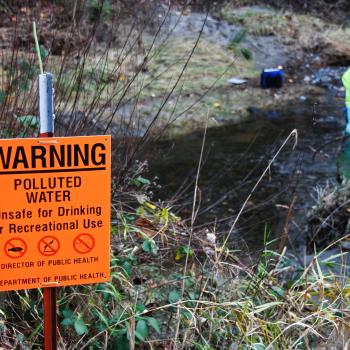
Reading and Writing About Pollution to Understand Cause and Effect
Students get to write a whale of a tale when they complete a graphic organizer sequencing the journey of a mountain fish to a polluted waterway.
Guided Comprehension in Action: Teaching Summarizing With the Bio-Cube
Grades
6 - 8
|
Lesson Plan
|
Recurring Lesson
Guided Comprehension in Action: Teaching Summarizing With the Bio-Cube

Students learn the ins and outs of writing biographies by researching a contemporary or historical figure and writing a summary.
Safety Tips With <em>Officer Buckle and Gloria</em>
Grades
K - 2
|
Lesson Plan
|
Standard Lesson
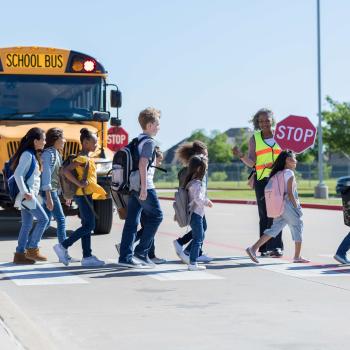
Safety Tips With Officer Buckle and Gloria
Safety first! In this lesson, students take the lessons taught by Officer Buckle and Gloria to heart as they explore safety in everyday situations.
Zines for Kids: Multigenre Texts About Media Icons
Grades
3 - 5
|
Lesson Plan
|
Unit
Zines for Kids: Multigenre Texts About Media Icons
Special edition! Students use ReadWriteThink tools to create magazines about prominent figures using a variety of writing genres and styles.
Exploring Literacy in Cyberspace
Grades
9 - 12
|
Lesson Plan
|
Standard Lesson
Exploring Literacy in Cyberspace
It's not just words on a page (or screen)—reading comprehension involves making sense of the text. When students become aware of the analytical strategies they are using, they can explore the similarities and differences between making sense of print and making sense of a website.
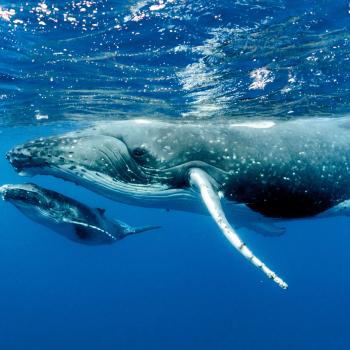
Reading and Writing About Whales Using Fiction and Nonfiction Texts
Grades
K - 2
|
Lesson Plan
|
Unit
Reading and Writing About Whales Using Fiction and Nonfiction Texts
Students will have a whale of a good time in this lesson in which they use fiction and nonfiction texts to write a letter to an online scientist.

Fighting Injustice by Studying Lessons of the Past
Grades
6 - 8
|
Lesson Plan
|
Unit
Fighting Injustice by Studying Lessons of the Past
Social injustice occurs every day all over the world. In this lesson, students research a few historical examples of social injustice, including the Holocaust, the Trail of Tears, and Japanese internment.
Multimedia Responses to Content Area Topics Using Fact-"Faction"-Fiction
Grades
3 - 5
|
Lesson Plan
|
Standard Lesson
Multimedia Responses to Content Area Topics Using Fact-"Faction"-Fiction

Students climb into the mind of a spider in this lesson that asks them to compose a spider diary using spider facts, fiction, and "faction"—fiction that sounds like fact.

Using THIEVES to Preview Nonfiction Texts
Grades
6 - 8
|
Lesson Plan
|
Standard Lesson
Using THIEVES to Preview Nonfiction Texts
Students become "thieves" in this lesson as they use a previewing strategy to "steal" information from textbooks and other nonfiction texts before actually reading them.
From Fact to Fiction: Drawing and Writing Stories
Grades
K - 2
|
Lesson Plan
|
Unit
From Fact to Fiction: Drawing and Writing Stories
Students gather factual information about frogs and toads to create nonfiction and fiction stories. Drawing is used for prewriting.

Grades
6 - 8
|
Lesson Plan
|
Unit
The Big, Bad Wolf...Is This a Fact?
Reading is revamped in this lesson in which students use a multimedia approach to study the books by Seymour Simon.

Traveling Terrain: Comprehending Nonfiction Text on the Web
Grades
3 - 5
|
Lesson Plan
|
Standard Lesson
Traveling Terrain: Comprehending Nonfiction Text on the Web
Students locate specific information, identify text features of nonfiction text, and write to generalize information on related topics.
The Two Voices of the <em>ow</em> Spelling Pattern
Grades
3 - 5
|
Lesson Plan
|
Standard Lesson
The Two Voices of the ow Spelling Pattern
Variable vowels are the focus of this lesson; students use nursery rhymes and ow to study how vowels can change their sounds according to different spelling patterns.
In the Poet's Shoes: Performing Poetry and Building Meaning
Grades
6 - 8
|
Lesson Plan
|
Unit
In the Poet's Shoes: Performing Poetry and Building Meaning
Students take poetic license when they interpret William Carlos William's poem "The Red Wheelbarrow" to help create a poem of their own.
Once They're Hooked, Reel Them In: Writing Good Endings
Grades
3 - 5
|
Lesson Plan
|
Standard Lesson
Once They're Hooked, Reel Them In: Writing Good Endings
It's important to "hook" readers at a story's beginning, but it's equally important to keep them interested. In this lesson, students learn to write effective conclusions to their own stories.

Digital Reflections: Expressing Understanding of Content Through Photography
Grades
6 - 8
|
Lesson Plan
|
Unit
Digital Reflections: Expressing Understanding of Content Through Photography
Striking images can leave lasting impressions on viewers. In this lesson, students make text–self–world connections to a nature- or science-related topic as they collaboratively design a multimedia presentation.
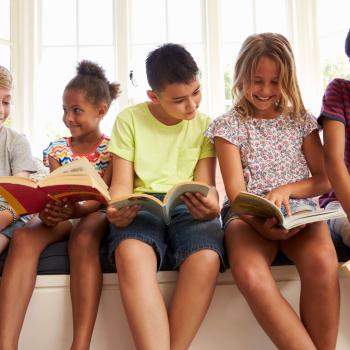
No Teachers Allowed: Student-Led Book Clubs Using QAR
Grades
3 - 6
|
Lesson Plan
|
Recurring Lesson
No Teachers Allowed: Student-Led Book Clubs Using QAR
Students are introduced to the Question-Answer Relationship (QAR) strategy through a read-aloud and question sort. Students then use the strategy to develop questions for a peer-led book discussion.
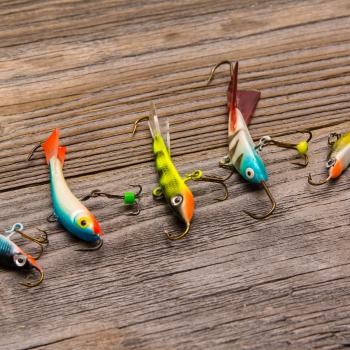
Fishing for Readers: Identifying and Writing Effective Opening "Hooks"
Grades
3 - 5
|
Lesson Plan
|
Standard Lesson
Fishing for Readers: Identifying and Writing Effective Opening "Hooks"
Good writers "hook" their readers in the very first sentences. In this lesson, students learn how to cast an attention-grabbing hook in their writing to effectively draw in readers' attention.
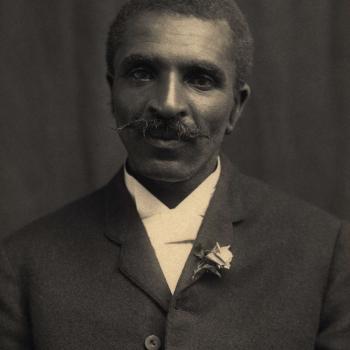
Great American Inventors: Using Nonfiction to Learn About Technology Inventions
Grades
3 - 5
|
Lesson Plan
|
Standard Lesson
Great American Inventors: Using Nonfiction to Learn About Technology Inventions
Who are the people behind the world's greatest inventions? Students read biographies of a terrific trio of American inventors and create presentations that highlight how their inventions from the past impacted the future.

Pagination

  • First page « First
  • Previous page ‹‹
  • …
  • Page 3
  • Page 4
  • Page 5
  • Page 6
  • Page 7
  • Page 8
  • Page 9
  • Page 10
  • Page 11
  • Next page ››
  • Last page Last »

Explore Resources by Grade

  • KindergartenK
  • 1-2
  • 3-4
  • 5-6
  • 7-8
  • 9-10
  • 11-12

RWT-logo

Powered By NCTE

Footer 1 Menu

  • About
  • Classroom Resources
  • Professional Development
  • Collections
  • Contact Us

Footer 2 Menu

  • National Council of Teachers of English
  • Contribute to RWT
  • FAQs
  • Join NCTE

Footer 3 Menu

  • Legal Notices
  • Privacy Policy
  • Promotional Materials
  • Site Demonstrations

Want to stay in touch with RWT and NCTE? Sign up here!

  • Facebook
  • Twitter
  • Instagram
  • Pinterest
  • YouTube

© NCTE 2026. All rights reserved