ReadWriteThink - Powered by NCTE
  • About
  • Classroom Resources
    • Lesson Plans
    • Teaching Comics
    • Teaching With Primary Resources
    • Calendar
    • Printouts
    • Student Interactives
  • Collections
    • Assessment
    • Authors
    • Booklists
    • Media Literacy
    • Poetry
    • Primary Sources
    • Writing
  • Professional Development
    • Strategy Guides
    • Professional Library
    • Meetings & Events
  • Join NCTE
  • Contact Us
  • About
  • Classroom Resources
    • Lesson Plans
    • Teaching Comics
    • Teaching With Primary Resources
    • Calendar
    • Printouts
    • Student Interactives
  • Collections
    • Assessment
    • Authors
    • Booklists
    • Media Literacy
    • Poetry
    • Primary Sources
    • Writing
  • Professional Development
    • Strategy Guides
    • Professional Library
    • Meetings & Events
  • Join NCTE
  • Contact Us
  • Facebook
  • Twitter
  • Instagram
  • Pinterest
  • YouTube

Breadcrumb

  1. Home

Type

  • Classroom Resources
  • Professional Development

Grades

  • 1 (66)
  • 2 (73)
  • 3 (142)
  • 4 (155)
  • 5 (191)
  • 6 (227)
  • 7 (242)
  • 8 (243)
  • 9 (260)
  • 10 (259)
  • 11 (257)
  • 12 (256)
  • K (56)

Learning Objectives

  • collaboration (162)
  • Comprehension (147)
  • critical thinking (278)
  • digital literacy (56)
  • Grammar (8)
  • inquiry / research (180)
  • listening (72)
  • literary analysis (88)
  • Media literacy (91)
  • metacognition (134)
  • multicultural awareness (69)
  • multimodal literacy (88)
  • oral communication (106)
  • phonological awareness (5)
  • print awareness (34)
  • reading fluency (11)
  • reading genres (74)
  • Spelling (7)
  • text structure / story structure (57)
  • Vocabulary (37)
  • writing genres (113)
  • writing process (100)

Topics

  • (-) community
  • (-) social studies / history
  • arts
  • careers
  • drama
  • ELL
  • Family
  • fiction
  • Mathematics
  • Mobile Learning
  • nonfiction
  • poetry
  • science
  • seasons / holidays
  • social action
  • Sports
  • STEM
Developing Students' Critical Thinking Skills Through Whole-Class Dialogue
Grades
3 - 5
|
Lesson Plan
|
Standard Lesson
Developing Students' Critical Thinking Skills Through Whole-Class Dialogue
"That's my position and I'm sticking to it!" After reading about the Korean War, students will take a position in response to an open-ended question, support their position, and evaluate that support.
Pourquoi Stories: Creating Tales to Tell Why
Grades
3 - 5
|
Lesson Plan
|
Standard Lesson
Pourquoi Stories: Creating Tales to Tell Why
Where did the stars come from? What makes lightning and thunder? Pourquoi tales are narratives developed by various cultures around the world to explain natural phenomena. Students study three tales and learn about their cultures of origin, then work cooperatively to write and present an original pourquoi tale.
Timelines and Texts: Motivating Students to Read Nonfiction
Grades
6 - 8
|
Lesson Plan
|
Standard Lesson
Timelines and Texts: Motivating Students to Read Nonfiction
In an effort to help motivate students to read nonfiction, students are challenged to use a timeline to help them name the year when certain products were invented.

Blogging in the Primary Grades? Yes, Indeed!
Grades
2 - 5
|
Lesson Plan
|
Standard Lesson
Blogging in the Primary Grades? Yes, Indeed!
Give students an authentic reason to read and write by researching blogs written by their peers around the world and then writing their own.

Bringing Economic Vocabulary to Life Through Video Posters
Grades
2 - 5
|
Lesson Plan
|
Minilesson
Bringing Economic Vocabulary to Life Through Video Posters
Imagine if vocabulary could come alive with the click of a button! Students create video posters to demonstrate knowledge of new economics vocabulary.
Beyond History Books: Researching With Twin Texts and Technology
Grades
4 - 8
|
Lesson Plan
Beyond History Books: Researching With Twin Texts and Technology
Students in grades 4–8 activate prior knowledge and research information about a historic event through fiction and nonfiction literature and exploration of relevant websites.

<i>The Houdini Box</i>: What Did Houdini Hide? Writing Creative Endings
Grades
3 - 6
|
Lesson Plan
|
Standard Lesson
The Houdini Box: What Did Houdini Hide? Writing Creative Endings

Students are encouraged to understand a book that the teacher reads aloud to create a new ending for it using the writing process.

A Portrait of Our World: Making Connections and Developing Comprehension
Grades
6 - 8
|
Lesson Plan
|
Unit
A Portrait of Our World: Making Connections and Developing Comprehension

Students engage in carousel walks, character analyses, global explorations, and genre studies while using valuable language arts strategies to build higher-level comprehension skills.

Making Memories: An End-of-Year Digital Scrapbook
Grades
6 - 8
|
Lesson Plan
|
Standard Lesson
Making Memories: An End-of-Year Digital Scrapbook
Students reflect on their school year, creating a digital scrapbook consisting of images and text to present to their school community.

The Magic of Three: Techniques for the Writer's Craft
Grades
4 - 8
|
Lesson Plan
The Magic of Three: Techniques for the Writer's Craft
Students learn to use tricolons—a writer's technique of putting words and phrases into groups of threes—to add rhythm and power to their writing.

Creating an Online Community Through Electronic Portfolios
Grades
9 - 12
|
Lesson Plan
|
Recurring Lesson
Creating an Online Community Through Electronic Portfolios
Students publish their work in an electronic portfolio, which enables them to respond to each other's content online.

Using Children's Literature to Develop Classroom Community
Grades
3 - 6
|
Lesson Plan
|
Standard Lesson
Using Children's Literature to Develop Classroom Community
Conversation and cooperation bring out the best in students when they hold dialogues about their individual strengths, abilities, and talents.
Using Technology to Analyze and Illustrate Symbolism in <em>Night</em>
Grades
6 - 8
|
Lesson Plan
|
Standard Lesson
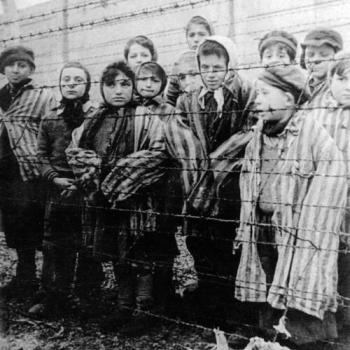
Using Technology to Analyze and Illustrate Symbolism in Night
Images have power—they can trigger memories or symbolize abstract ideas. Students put the power of images to the test as they analyze symbolism in Night and create symbolic photomontages.

Using Word Storms to Explore Vocabulary and Encourage Critical Thinking
Grades
3 - 5
|
Lesson Plan
|
Recurring Lesson
Using Word Storms to Explore Vocabulary and Encourage Critical Thinking
Students learn that dogs are more than just pets in this lesson, which teaches them to use research and vocabulary-acquisition strategies to learn and write about working dogs.
Learning About Research and Writing Using the American Revolution
Grades
3 - 5
|
Lesson Plan
|
Unit
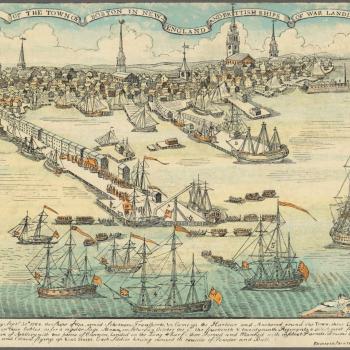
Learning About Research and Writing Using the American Revolution
Students across the board will get a kick out of researching a historical figure from the American Revolution to create an acrostic poem.
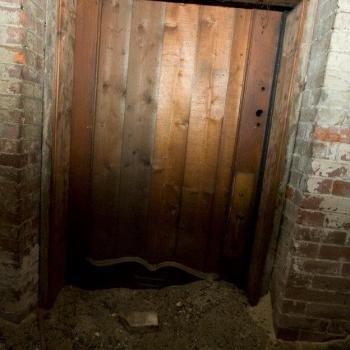
Traveling the Road to Freedom Through Research and Historical Fiction
Grades
6 - 8
|
Lesson Plan
|
Unit
Traveling the Road to Freedom Through Research and Historical Fiction
Students learn how to walk a mile in someone else's shoes by reading historical fiction about the Underground Railroad.
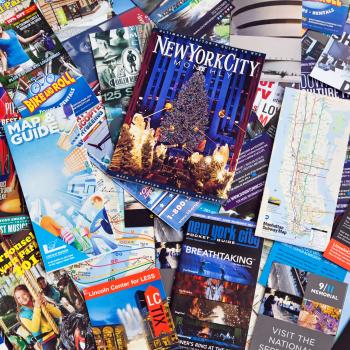
All About Our Town: Using Brochures to Teach Informational Writing
Grades
2 - 4
|
Lesson Plan
|
Unit
All About Our Town: Using Brochures to Teach Informational Writing
Students explore their towns' landmarks, symbols, and people; look at brochures and other informational tools; practice writing for a specific audience and revising; and work collaboratively to create a brochure.
The Pros and Cons of Discussion
Grades
9 - 12
|
Lesson Plan
|
Standard Lesson
The Pros and Cons of Discussion
Students use a Discussion Web to engage in meaningful discussion of the question, "Are people equal?"
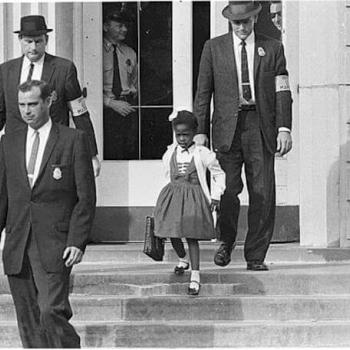
Seeing Integration From Different Viewpoints
Grades
6 - 8
|
Lesson Plan
|
Standard Lesson
Seeing Integration From Different Viewpoints
What does the world look like through someone else's eyes? Guide students in using colorful paper glasses to examine a story of school desegregation from multiple perspectives.

Grades
6 - 8
|
Lesson Plan
|
Unit
Exploring and Sharing Family Stories
Writing gets personal when students interview family members in order to write a personal narrative about that person.

Pagination

  • First page « First
  • Previous page ‹‹
  • …
  • Page 7
  • Page 8
  • Page 9
  • Page 10
  • Page 11
  • Page 12
  • Page 13
  • Page 14
  • Page 15
  • …
  • Next page ››
  • Last page Last »

Explore Resources by Grade

  • KindergartenK
  • 1-2
  • 3-4
  • 5-6
  • 7-8
  • 9-10
  • 11-12

RWT-logo

Powered By NCTE

Footer 1 Menu

  • About
  • Classroom Resources
  • Professional Development
  • Collections
  • Contact Us

Footer 2 Menu

  • National Council of Teachers of English
  • Contribute to RWT
  • FAQs
  • Join NCTE

Footer 3 Menu

  • Legal Notices
  • Privacy Policy
  • Promotional Materials
  • Site Demonstrations

Want to stay in touch with RWT and NCTE? Sign up here!

  • Facebook
  • Twitter
  • Instagram
  • Pinterest
  • YouTube

© NCTE 2026. All rights reserved