ReadWriteThink - Powered by NCTE
  • About
  • Classroom Resources
    • Lesson Plans
    • Teaching Comics
    • Teaching With Primary Resources
    • Calendar
    • Printouts
    • Student Interactives
  • Collections
    • Assessment
    • Authors
    • Booklists
    • Media Literacy
    • Poetry
    • Primary Sources
    • Writing
  • Professional Development
    • Strategy Guides
    • Professional Library
    • Meetings & Events
  • Join NCTE
  • Contact Us
  • About
  • Classroom Resources
    • Lesson Plans
    • Teaching Comics
    • Teaching With Primary Resources
    • Calendar
    • Printouts
    • Student Interactives
  • Collections
    • Assessment
    • Authors
    • Booklists
    • Media Literacy
    • Poetry
    • Primary Sources
    • Writing
  • Professional Development
    • Strategy Guides
    • Professional Library
    • Meetings & Events
  • Join NCTE
  • Contact Us
  • Facebook
  • Twitter
  • Instagram
  • Pinterest
  • YouTube

Breadcrumb

  1. Home

Type

  • (-) Minilesson

Grades

  • 2 (2)
  • 3 (4)
  • 4 (4)
  • 6 (2)
  • 7 (1)
  • 8 (1)
  • 9 (1)
  • 10 (1)
  • 11 (1)
  • 12 (1)

Learning Objectives

  • collaboration (2)
  • Comprehension (3)
  • critical thinking (1)
  • digital literacy (2)
  • Grammar (1)
  • listening (3)
  • Media literacy (1)
  • metacognition (1)
  • multicultural awareness (1)
  • multimodal literacy (2)
  • oral communication (2)
  • phonological awareness (1)
  • Spelling (1)
  • Vocabulary (4)
  • writing process (1)

Topics

  • (-) drama
  • (-) Mobile Learning
  • arts
  • careers
  • community
  • ELL
  • Family
  • fiction
  • Mathematics
  • nonfiction
  • poetry
  • science
  • seasons / holidays
  • STEM
How Big Are <em>Martin's Big Words</em>? Thinking Big about the Future
Grades
3 - 5
|
Lesson Plan
|
Minilesson
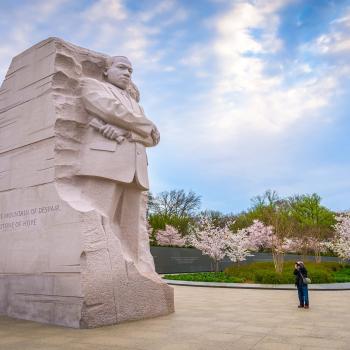
How Big Are Martin's Big Words? Thinking Big about the Future

Inspired by the book Martin's Big Words, students explore information on Dr. King to think about his "big" words, then they write about their own "big" words and dreams.
Grades
3 - 5
|
Lesson Plan
|
Minilesson
To, Too, or Two: Developing an Understanding of Homophones
The classroom becomes a stage in this interactive lesson in which students sing, act, and design comic strips to learn the meanings and spellings of common homophones.

Reading Movies and TV: Learning the "Language" of Moving-Image Texts
Grades
5 - 12
|
Lesson Plan
|
Minilesson
Reading Movies and TV: Learning the "Language" of Moving-Image Texts
Introduce students to the idea that movies and TV have their own language and grammar, which gives them special ways of telling their stories.

Bringing Economic Vocabulary to Life Through Video Posters
Grades
2 - 5
|
Lesson Plan
|
Minilesson
Bringing Economic Vocabulary to Life Through Video Posters
Imagine if vocabulary could come alive with the click of a button! Students create video posters to demonstrate knowledge of new economics vocabulary.

Digital Word Detectives: Building Vocabulary With e-Book Readers
Grades
2 - 6
|
Lesson Plan
|
Minilesson
Digital Word Detectives: Building Vocabulary With e-Book Readers
Students in grades 2-6 use digital dictionaries and other e-book tools to learn new vocabulary as they read e-books on digital reading devices.

Explore Resources by Grade

  • KindergartenK
  • 1-2
  • 3-4
  • 5-6
  • 7-8
  • 9-10
  • 11-12

RWT-logo

Powered By NCTE

Footer 1 Menu

  • About
  • Classroom Resources
  • Professional Development
  • Collections
  • Contact Us

Footer 2 Menu

  • National Council of Teachers of English
  • Contribute to RWT
  • FAQs
  • Join NCTE

Footer 3 Menu

  • Legal Notices
  • Privacy Policy
  • Promotional Materials
  • Site Demonstrations

Want to stay in touch with RWT and NCTE? Sign up here!

  • Facebook
  • Twitter
  • Instagram
  • Pinterest
  • YouTube

© NCTE 2026. All rights reserved