Where did the stars come from? What makes lightning and thunder? Pourquoi tales are narratives developed by various cultures around the world to explain natural phenomena. Students study three tales and learn about their cultures of origin, then work cooperatively to write and present an original pourquoi tale.

Pourquoi Stories: Creating Tales to Tell Why
Timelines and Texts: Motivating Students to Read Nonfiction
In an effort to help motivate students to read nonfiction, students are challenged to use a timeline to help them name the year when certain products were invented.

Bringing Economic Vocabulary to Life Through Video Posters
Imagine if vocabulary could come alive with the click of a button! Students create video posters to demonstrate knowledge of new economics vocabulary.
Beyond History Books: Researching With Twin Texts and Technology
Students in grades 4–8 activate prior knowledge and research information about a historic event through fiction and nonfiction literature and exploration of relevant websites.

The Houdini Box: What Did Houdini Hide? Writing Creative Endings
Students are encouraged to understand a book that the teacher reads aloud to create a new ending for it using the writing process.

A Portrait of Our World: Making Connections and Developing Comprehension
Students engage in carousel walks, character analyses, global explorations, and genre studies while using valuable language arts strategies to build higher-level comprehension skills.

The Magic of Three: Techniques for the Writer's Craft
Students learn to use tricolons—a writer's technique of putting words and phrases into groups of threes—to add rhythm and power to their writing.
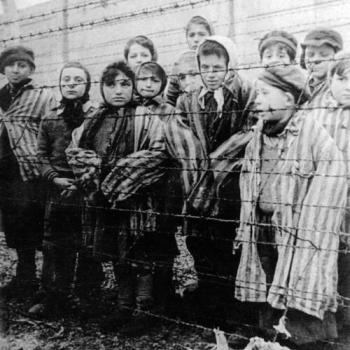
Using Technology to Analyze and Illustrate Symbolism in Night
Images have power—they can trigger memories or symbolize abstract ideas. Students put the power of images to the test as they analyze symbolism in Night and create symbolic photomontages.
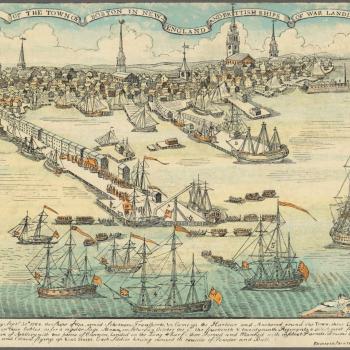
Learning About Research and Writing Using the American Revolution
Students across the board will get a kick out of researching a historical figure from the American Revolution to create an acrostic poem.
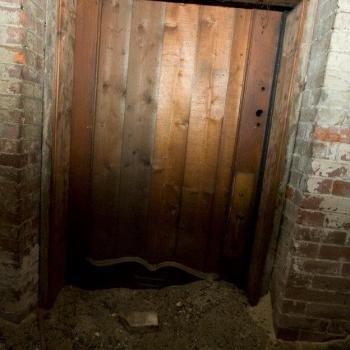
Traveling the Road to Freedom Through Research and Historical Fiction
Students learn how to walk a mile in someone else's shoes by reading historical fiction about the Underground Railroad.
A Directed Listening-Thinking Activity for "The Tell-Tale Heart"
What's that sound? Students participate in a Directed ListeningThinking Activity (DLTA) using "The Tell-Tale Heart," make predictions, and respond in the form of an acrostic poem or comic strip.

Poetry: Sound and Sense
Students' groans about studying poetry may disappear with this lesson in which students read poetry from various writers and use these poems to examine the sounds and sense of language.
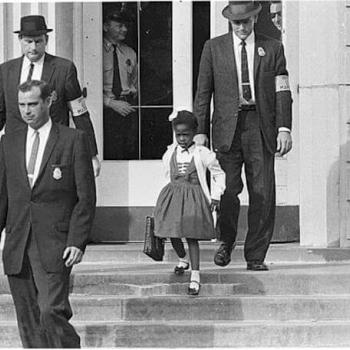
Seeing Integration From Different Viewpoints
What does the world look like through someone else's eyes? Guide students in using colorful paper glasses to examine a story of school desegregation from multiple perspectives.

Exploring and Sharing Family Stories
Writing gets personal when students interview family members in order to write a personal narrative about that person.
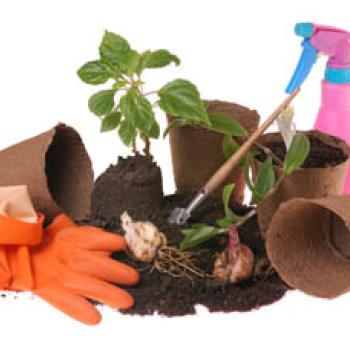
Let It Grow: An Inquiry-Based Organic Gardening Research Project
Students learn about organic gardening by developing their own research questions, conducting research, gardening at their school, creating signs about their plants, and presenting their research to the class.

Teaching Shapes Using Read-Alouds, Visualization, and Sketch to Stretch
Visual clues in winter-themed books used in this lesson encourage students to make real-world math connections.
Skimming and Scanning: Using Riddles to Practice Fact Finding Online
Students will learn to skim and scan to make sure they don't flounder when they're surfing the Internet for facts to help them complete riddles about the United States.
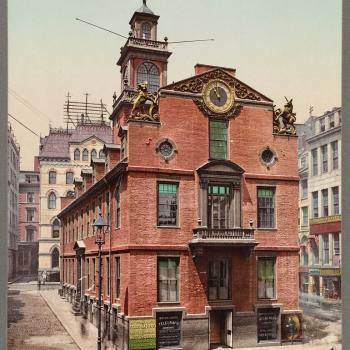
Using Pictures to Build Schema for Social Studies Content
How do you read an image? Students find out in this lesson in which they "read" several images of the Boston Massacre to better understand the event and recognize effects of propaganda.
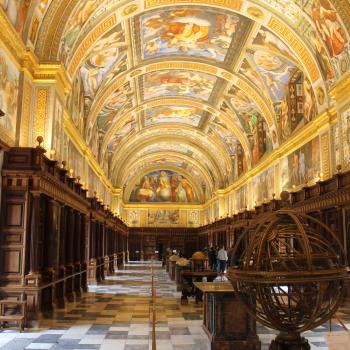
A World of Readers: Libraries Around the World
Bookworms will enjoy the bytes they find in this lesson as they research and share information about online library services in places around the world.
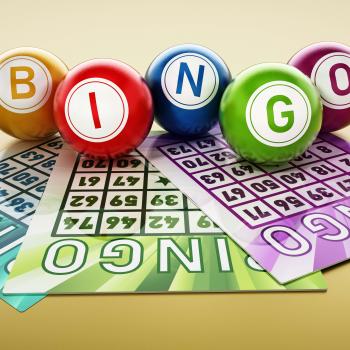
Developing Searching, Skimming, and Scanning Skills With Internet Bingo
Student pairs aim to be the first team to call out "bingo" in this lesson in which they use skimming and scanning to locate information about ancient Greece and Rome.