Methods such as the circle poem, the "poetic interview," the found poem, and the poetic field trip are just some used by the author to create an atmosphere of mutual support and enable students to initiate "imaginative possibilities."
Building Community through Poetry: A Role for Imagination in the Classroom
Using Short Story Collections to Enrich the English Classroom
Describes ways short story collections can be integrated into the English curriculum, including a short story fair, a short story hunt, using single short stories to extend a unit, using a short story by itself, using a collection as a whole, and using short stories as part of a focus on writing. Offers a list of short story resources.
Menu Magic!
This article helps eighth graders review the power of adjectives. Students eat up this project that promises to deliver the opportunity to analyze, synthesize, and evaluate while giving students the chance to work in cooperative groups. All in all, it's an appetizing way to get kids focused on descriptive writing.

Expanding Vision: Teaching Haiku
Despite common misconceptions about haiku, there is a lively and vibrant haiku community throughout the United States and many other countries. Read this article for further discussion on the use of haiku in your own classroom.
Different Texts, Different Emergent Writing Forms
Examines young children's ability to vary the forms of emergent writing as they wrote a story, a shopping list, and a letter to a friend at three different times during the school year. Finds that children apply their emergent knowledge about written language differently. Indicates a considerable mismatch between written products and knowledge of genre characteristics.
Nonfiction Inquiry: Using Real Reading and Writing to Explore the World
Nonfiction is the genre most likely to spur children's passion and wonder for learning. This article discusses way to motivate children to read nonfiction.

Language and Literacy: The Poetry Connection
Offers a conceptual framework for building language awareness through the reading of poetry, encouraging children to reflect on language in interesting and powerful ways. Provides an instructional model for constructing literature-based experiences in the classroom.
Using Children's Literature to Spark Learning
Presents two brief articles--the first discusses purposes for using children's picture books in a secondary classroom, activities for children's literature, and integrating children's books into the classroom curriculum; and the second discusses using folktales in the classroom to engage reluctant readers and writers, suggests ideas/topics for folktale writing projects, lists writing prompts, and recommends folktales.
Undoing the Great Grammatical Scam
Grammar should be taught in the context of students' own writing: "we learn what we actually have the opportunity to practice and do in the real world."
To Grammar or Not to Grammar: That Is Not the Question!
Argues that, taught in the context of writing, grammar can enhance and improve students' writing. Offers classroom examples showing how: good preparation for writing fosters good grammar and detail; students can use grammatical and syntactic constructions used by professional authors as models for their own writing; and how to help students learn revision strategies at the sentence and paragraph level.
How Comic Books Can Change the Way Our Students See Literature: One Teacher's Perspective
In this article, Versaci details the many merits of using comics and graphic novels in the classroom, suggests how they can be integrated into historical and social issues units, and recommends several titles.
Wordplaygrounds: Reading, Writing, and Performing Poetry in the English Classroom
O'Connor offers new approaches to teaching poetry in middle and high school with more than 25 writing activities that can constitute an entire course or work as individual lessons.
Genre Theory: Teaching, Writing, and Being
Dean synthesizes theory and research about genres and provides secondary-level teachers with practical classroom applications.
Designing Writing Assignments
Traci Gardner offers practical tips, starting points, and a companion website to help secondary and college teachers design effective writing assignments.
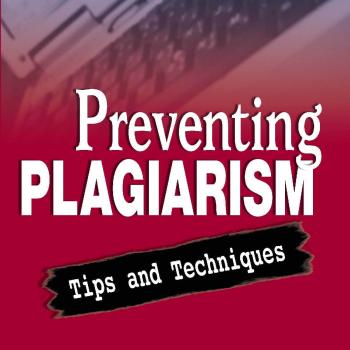
Preventing Plagiarism: Tips and Techniques
DeSena offers a practical guide on how high school and college teachers can structure assignments and guide students so that students don't plagiarize.
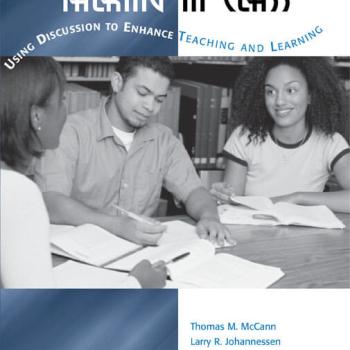
Talking in Class: Using Discussion to Enhance Teaching and Learning
The authors guide high school teachers in developing skills in promoting and facilitating authentic discussion in the English language arts classroom.
Getting the Knack: 20 Poetry Writing Exercises
Dunning and Stafford, both widely known poets and educators, offer this delightful manual of exercises for beginning poets.
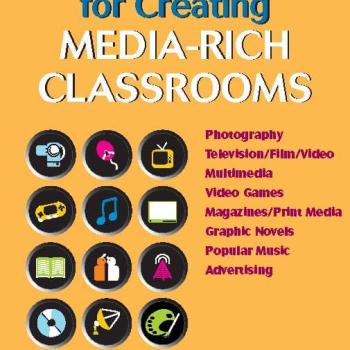
Lesson Plans for Creating Media-Rich Classrooms
This volume offers a collection of media literacy lessons for the secondary English classroom, including a CD of student handouts, teacher resources, and sample media files.
Standards for the English Language Arts
Standards for the English Language Arts presents a vision of literacy education that encompasses the use of print, oral, and visual language and addresses six interrelated English language arts: reading, writing, speaking, listening, viewing, and visually representing.
Language Learners in the English Classroom
This book provides practical, research-based strategies that can help secondary-level English language learners meet the challenges of both language and content learning.