ReadWriteThink - Powered by NCTE
  • About
  • Classroom Resources
    • Lesson Plans
    • Teaching Comics
    • Teaching With Primary Resources
    • Calendar
    • Printouts
    • Student Interactives
  • Collections
    • Assessment
    • Authors
    • Booklists
    • Media Literacy
    • Poetry
    • Primary Sources
    • Writing
  • Professional Development
    • Strategy Guides
    • Professional Library
    • Meetings & Events
  • Join NCTE
  • Contact Us
  • About
  • Classroom Resources
    • Lesson Plans
    • Teaching Comics
    • Teaching With Primary Resources
    • Calendar
    • Printouts
    • Student Interactives
  • Collections
    • Assessment
    • Authors
    • Booklists
    • Media Literacy
    • Poetry
    • Primary Sources
    • Writing
  • Professional Development
    • Strategy Guides
    • Professional Library
    • Meetings & Events
  • Join NCTE
  • Contact Us
  • Facebook
  • Twitter
  • Instagram
  • Pinterest
  • YouTube

Breadcrumb

  1. Home

Type

  • Lesson Plan
  • Student Interactive

Learning Objectives

  • collaboration (6)
  • Comprehension (4)
  • critical thinking (2)
  • inquiry / research (1)
  • listening (1)
  • literary analysis (7)
  • Media literacy (1)
  • metacognition (1)
  • multicultural awareness (2)
  • reading genres (4)
  • text structure / story structure (5)
  • writing genres (4)
  • writing process (3)

Topics

  • arts
  • drama
  • fiction
  • nonfiction
  • poetry
  • social studies / history
Grades
3 - 12
|
Student Interactive
|
Organizing & Summarizing
Circle Plot Diagram
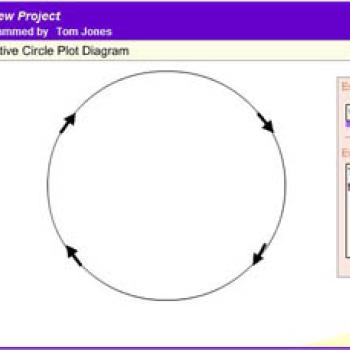
The Circle Plot Diagram can be used as a prewriting graphic organizer for students writing original stories with a circular plot structure as well as a postreading organizer used to explore the text structures in a book.
Plot Diagram
Grades
1 - 12
|
Student Interactive
|
Organizing & Summarizing
Plot Diagram

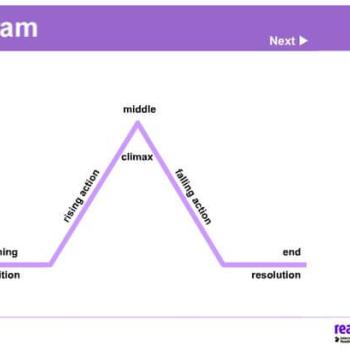
The Plot Diagram is an organizational tool focusing on a pyramid or triangular shape, which is used to map the events in a story. This mapping of plot structure allows readers and writers to visualize the key features of stories.

Grades
9 - 10
|
Lesson Plan
|
Standard Lesson
Teaching Plot Structure through Short Stories
Students use an online graphic organizer to analyze the plot structure of "Jack and the Beanstalk" and three short stories.
Grades
K - 2
|
Lesson Plan
|
Standard Lesson
Completing the Circle: The Craft of Circular Plot Structure
Students identify, explore and apply the elements of circle plot structures to their own stories by using graphic organizers, reading and writing stories, and using checklists to assess their work.
Graphing Plot and Character in a Novel
Grades
3 - 5
|
Lesson Plan
|
Standard Lesson
Graphing Plot and Character in a Novel
In this graphical mapping project, students assign a value to the events, characters, and themes in a novel and think about how the elements of the story are all interconnected.
Grades
K - 2
|
Lesson Plan
|
Standard Lesson
Building a Matrix for Leo Lionni Books: An Author Study
In this author study, students listen to and discuss four books by Leo Lionni. They identify similarities and differences in the stories and then compare two stories of their choice.
Grades
3 - 5
|
Lesson Plan
|
Unit
Behind the Scenes With Cinderella

Cinderella without castles, coaches, or ball gowns? Students use versions of Cinderella to explore how the setting of a story—time, place, and culture—affects the characters and plot.

When Less IS More—Understanding Minimalist Fiction
Grades
9 - 12
|
Lesson Plan
|
Standard Lesson
When Less IS More—Understanding Minimalist Fiction
This lesson pairs Ernest Hemingway's short story "Cat in the Rain' with Raymond Carver's "Little Things" to guide students to an understanding of the characteristics of minimalist fiction.
Audience & Purpose: Evaluating Disney's Changes to the Hercules Myth
Grades
5 - 8
|
Lesson Plan
|
Standard Lesson
Audience & Purpose: Evaluating Disney's Changes to the Hercules Myth
What drives changes to classic myths and fables? In this lesson students evaluate the changes Disney made to the myth of "Hercules" in order to achieve their audience and purpose.
Exploring Change through Allegory and Poetry
Grades
6 - 8
|
Lesson Plan
|
Standard Lesson
Exploring Change through Allegory and Poetry

Students read an example of allegory, review literary concepts, complete literary elements maps and plot diagrams, create a pictorial allegory, and write diamante poems related to the theme of change.

Explore Resources by Grade

  • KindergartenK
  • 1-2
  • 3-4
  • 5-6
  • 7-8
  • 9-10
  • 11-12

RWT-logo

Powered By NCTE

Footer 1 Menu

  • About
  • Classroom Resources
  • Professional Development
  • Collections
  • Contact Us

Footer 2 Menu

  • National Council of Teachers of English
  • Contribute to RWT
  • FAQs
  • Join NCTE

Footer 3 Menu

  • Legal Notices
  • Privacy Policy
  • Promotional Materials
  • Site Demonstrations

Want to stay in touch with RWT and NCTE? Sign up here!

  • Facebook
  • Twitter
  • Instagram
  • Pinterest
  • YouTube

© NCTE 2025. All rights reserved