ReadWriteThink - Powered by NCTE
  • About
  • Classroom Resources
    • Lesson Plans
    • Teaching Comics
    • Teaching With Primary Resources
    • Calendar
    • Printouts
    • Student Interactives
  • Collections
    • Assessment
    • Authors
    • Booklists
    • Media Literacy
    • Poetry
    • Primary Sources
    • Writing
  • Professional Development
    • Strategy Guides
    • Professional Library
    • Meetings & Events
  • Join NCTE
  • Contact Us
  • About
  • Classroom Resources
    • Lesson Plans
    • Teaching Comics
    • Teaching With Primary Resources
    • Calendar
    • Printouts
    • Student Interactives
  • Collections
    • Assessment
    • Authors
    • Booklists
    • Media Literacy
    • Poetry
    • Primary Sources
    • Writing
  • Professional Development
    • Strategy Guides
    • Professional Library
    • Meetings & Events
  • Join NCTE
  • Contact Us
  • Facebook
  • Twitter
  • Instagram
  • Pinterest
  • YouTube

Breadcrumb

  1. Home

Type

  • Classroom Resources
  • Professional Development

Grades

  • 1 (298)
  • 3 (508)
  • 4 (525)
  • 5 (603)
  • 6 (735)
  • 7 (750)
  • 8 (780)
  • 9 (787)
  • 10 (767)
  • 11 (754)
  • 12 (751)
  • (-) 2 (308)
  • (-) K (262)

Learning Objectives

  • collaboration (92)
  • Comprehension (100)
  • critical thinking (94)
  • digital literacy (24)
  • Grammar (10)
  • inquiry / research (62)
  • listening (47)
  • literary analysis (36)
  • Media literacy (23)
  • metacognition (41)
  • multicultural awareness (17)
  • multimodal literacy (40)
  • oral communication (49)
  • phonological awareness (50)
  • print awareness (37)
  • reading fluency (36)
  • reading genres (44)
  • Spelling (31)
  • text structure / story structure (52)
  • Vocabulary (68)
  • writing genres (61)
  • writing process (91)

Topics

  • arts
  • careers
  • community
  • drama
  • ELL
  • Family
  • fiction
  • Mathematics
  • Mobile Learning
  • nonfiction
  • poetry
  • science
  • seasons / holidays
  • social action
  • social studies / history
  • STEM
Inspire Healthful Reading Using Unconventional Texts
Grades
K - 2
|
Lesson Plan
|
Minilesson
Inspire Healthful Reading Using Unconventional Texts
This minilesson encourages children to seek out and appropriately react to nutrition labels and to make healthy food choices, integrating science, math, health, and literacy.
Picture Understanding! Building Comprehension in the Primary Grades With Picture Books
Grades
1 - 3
|
Lesson Plan
|
Unit
Picture Understanding! Building Comprehension in the Primary Grades With Picture Books
Students move from modeled to independent comprehension of fiction stories by using texts by Jan Brett and interactive tools that demonstrate their comprehension.

Digital Word Detectives: Building Vocabulary With e-Book Readers
Grades
2 - 6
|
Lesson Plan
|
Minilesson
Digital Word Detectives: Building Vocabulary With e-Book Readers
Students in grades 2-6 use digital dictionaries and other e-book tools to learn new vocabulary as they read e-books on digital reading devices.

Engaging With Cause-and-Effect Relationships Through Creating Comic Strips
Grades
2 - 4
|
Lesson Plan
Engaging With Cause-and-Effect Relationships Through Creating Comic Strips
Students demonstrate their knowledge of cause-and-effect relationships by creating original comic strips and sharing their completed work in an oral presentation format.

Jazz Up Writing Workshop: Writing Biographies of African American Jazz Musicians
Grades
2 - 3
|
Lesson Plan
|
Unit
Jazz Up Writing Workshop: Writing Biographies of African American Jazz Musicians
During writing workshop, students research, write, revise, and share their own comprehensive biographies of African American jazz musicians.

Going Digital: Using e-Book Readers to Enhance the Reading Experience
Grades
2 - 4
|
Lesson Plan
|
Standard Lesson
Going Digital: Using e-Book Readers to Enhance the Reading Experience
Students use various tools and features of digital readers to develop vocabulary, support comprehension, respond to text, improve fluency, and enhance the reading experience.
Using American Sign Language to Improve Comprehension and Vocabulary
Grades
1 - 3
|
Lesson Plan
|
Standard Lesson
Using American Sign Language to Improve Comprehension and Vocabulary
American Sign Language is combined with the hilarious poetry and pictures of Sam's Sandwich, a lift-the-flap book, to engage all types of learners in acquiring key vocabulary.

Rain, Ice, Steam: Using Reading to Support Inquiry About the Water Cycle
Grades
K - 2
|
Lesson Plan
|
Unit
Rain, Ice, Steam: Using Reading to Support Inquiry About the Water Cycle
Water is always moving in a continuous cycle from liquid to solid to gas and back again. Students study this never-ending cycle through shared readings, center activities, and experiments.
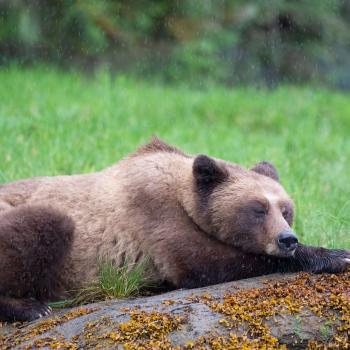
Shhh! Bear's Sleeping: Learning About Nonfiction and Fiction Using Read-Alouds
Grades
K - 2
|
Lesson Plan
|
Standard Lesson
Shhh! Bear's Sleeping: Learning About Nonfiction and Fiction Using Read-Alouds

Students explore the distinction between the fiction story Bear Snores On and the nonfiction book Every Autumn Comes the Bear.
Descriptive Writing and the 100th Day of School
Grades
K - 2
|
Lesson Plan
|
Standard Lesson
Descriptive Writing and the 100th Day of School
Students write descriptions of 100th day bottles they create at home, write clues about their bottles for a guessing game, practice descriptive writing, and create a class book.
Shared Poetry Reading: Teaching Print Concepts, Rhyme, and Vocabulary
Grades
K - 2
|
Lesson Plan
|
Standard Lesson
Shared Poetry Reading: Teaching Print Concepts, Rhyme, and Vocabulary
The rhyme and reason behind this lesson is that students will need to develop important reading skills to increase their reading fluency.
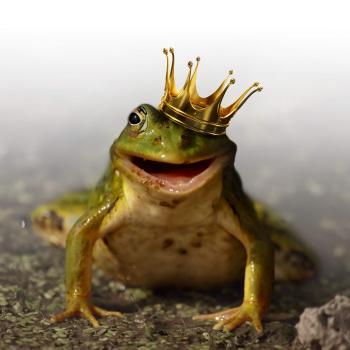
Teaching About Story Structure Using Fairy Tales
Grades
K - 2
|
Lesson Plan
|
Standard Lesson
Teaching About Story Structure Using Fairy Tales
From "once upon a time" to "happily ever after," students learn to recognize story structure in fairy tales and create a logical sequence of events when writing original stories.

I Wonder: Writing Scientific Explanations With Students
Grades
K - 2
|
Lesson Plan
|
Unit
I Wonder: Writing Scientific Explanations With Students
Students choose a question to explore, research it using a variety of resources, organize their information on a TCF chart, and then collaboratively write a class scientific explanation.
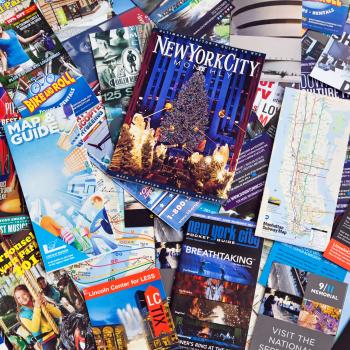
All About Our Town: Using Brochures to Teach Informational Writing
Grades
2 - 4
|
Lesson Plan
|
Unit
All About Our Town: Using Brochures to Teach Informational Writing
Students explore their towns' landmarks, symbols, and people; look at brochures and other informational tools; practice writing for a specific audience and revising; and work collaboratively to create a brochure.
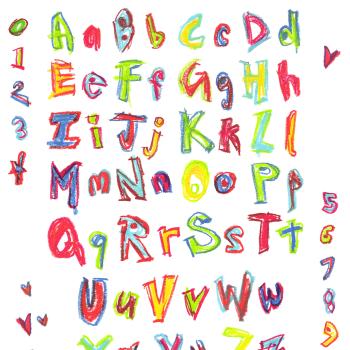
Alphabetizing With Original Stories
Grades
K - 2
|
Lesson Plan
|
Standard Lesson
Alphabetizing With Original Stories
Students write original stories using alphabetical order, beginning each page with a new letter, and then illustrate their texts in class or at home with their families.
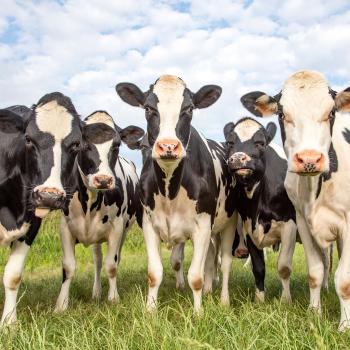
Learning About Word Families with <em>Click, Clack, Moo</em>
Grades
K - 2
|
Lesson Plan
|
Standard Lesson
Learning About Word Families with Click, Clack, Moo

Using text from Doreen Cronin's Click, Clack, Moo: Cows That Type as shared readings, first-grade students learn word families and how to decode new words in a word family.
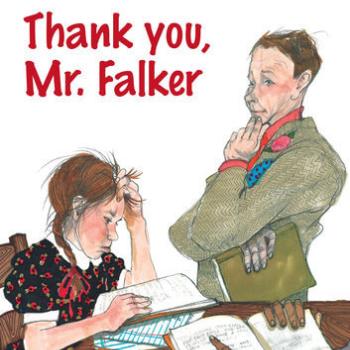
Digging Deeper: Developing Comprehension Using <em>Thank You, Mr. Falker</em>
Grades
K - 4
|
Lesson Plan
|
Standard Lesson
Digging Deeper: Developing Comprehension Using Thank You, Mr. Falker

A read-aloud of Patricia Polacco's Thank You, Mr. Falker helps promote deeper comprehension through questioning to achieve personal connections and discussions of character and theme.

Integrating Language Arts: <em>If You Give a Mouse a Cookie</em>
Grades
K - 2
|
Lesson Plan
Integrating Language Arts: If You Give a Mouse a Cookie
This lesson integrates reading, writing, listening, and speaking to boost students' comprehension skills. Students explore Laura Joffe Numeroff 's If You Give a Mouse a Cookie using a variety of techniques, beginning with a picture walk and ending with the creation and publication of their own versions of the text.
Word Study with <em>Henry and Mudge</em>
Grades
K - 3
|
Lesson Plan
|
Standard Lesson
Word Study with Henry and Mudge

Henry and Mudge is used in this lesson to build students' word recognition through rereading, high-frequency word banks, word studies, and writing.
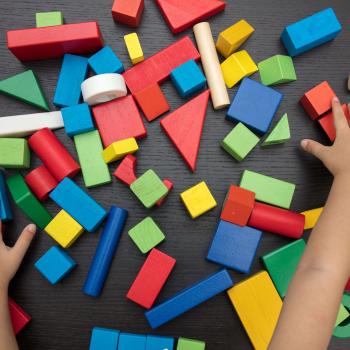
Teaching Shapes Using Read-Alouds, Visualization, and Sketch to Stretch
Grades
K - 2
|
Lesson Plan
|
Standard Lesson
Teaching Shapes Using Read-Alouds, Visualization, and Sketch to Stretch
Visual clues in winter-themed books used in this lesson encourage students to make real-world math connections.

Pagination

  • First page « First
  • Previous page ‹‹
  • …
  • Page 6
  • Page 7
  • Page 8
  • Page 9
  • Page 10
  • Page 11
  • Page 12
  • Page 13
  • Page 14
  • …
  • Next page ››
  • Last page Last »

Explore Resources by Grade

  • KindergartenK
  • 1-2
  • 3-4
  • 5-6
  • 7-8
  • 9-10
  • 11-12

RWT-logo

Powered By NCTE

Footer 1 Menu

  • About
  • Classroom Resources
  • Professional Development
  • Collections
  • Contact Us

Footer 2 Menu

  • National Council of Teachers of English
  • Contribute to RWT
  • FAQs
  • Join NCTE

Footer 3 Menu

  • Legal Notices
  • Privacy Policy
  • Promotional Materials
  • Site Demonstrations

Want to stay in touch with RWT and NCTE? Sign up here!

  • Facebook
  • Twitter
  • Instagram
  • Pinterest
  • YouTube

© NCTE 2026. All rights reserved