This strategy guide introduces the concept of using Exit Slips in the classroom to help students reflect on what they have learned and express what or how they are thinking about the new information. Exit Slips easily incorporate writing into the content area classroom and require students to think critically.

Exit Slips
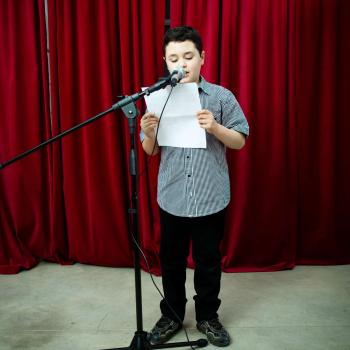
Performing Poetry
Performing poetry incorporates oral reading, literature, and the performing arts. This strategy can benefit content area readers, English language learners, or learners with special needs.
The (Un)Making of a Reader
Through looking critically at the underpinnings of "story mapping, a teacher uncovers a contradiction between the author's definition of reading as a constructive process and the reductionist nature of story mapping, which she shows inhibits students' potential to explore a diverse range of personal responses by promoting comprehension over response, uniformity over diversity, and control over freedom.
Sound and Sense in Children's Picturebooks
Explores (from the point of view of the writer, a children's author) one aspect of learning about language that is present in the picture books he writes: the relation between sound and sense.
"Genre Studies"
In this issue you will read about elementary children who are introduced to genre primarily through their teachers reading aloud. The children are invited to become inquirers who continue to explore books as they meet in small groups to write and read on their own—from fantasy to African folktales to poetry.
Joyful Noises: Creating Poems for Voices and Ears
This article discusses the efforts of a fifth-grade teacher and a visiting poet to rekindle students' sense of poetic passion and pleasure and describes how the authors introduced students to poems for two voices.
Professional Knowledge for the Teaching of Writing
With full recognition that writing is an increasingly multifaceted activity, we offer several principles that should guide effective teaching practice.

Guideline on The Students' Right to Read
The current edition of The Students' Right to Read is an adaptation and updating of the original Council statement, including "Citizen's Request for Reconsideration of a Work."

Planning for Inquiry: It's Not an Oxymoron!
Planning for Inquiry shows you how to get an inquiry-based curriculum started, how to keep it going, and how to do so while remaining accountable to mandated curricula, standards, and programs.
Code of Best Practices in Fair Use for Media Literacy Education
This document is a code of best practices that helps educators using media literacy concepts and techniques to interpret the copyright doctrine of fair use.
Being and Becoming: Multilingual Writers' Practices
This study examines the writing practices taken on and negotiated by multilingual class members within two multiage elementary classrooms.
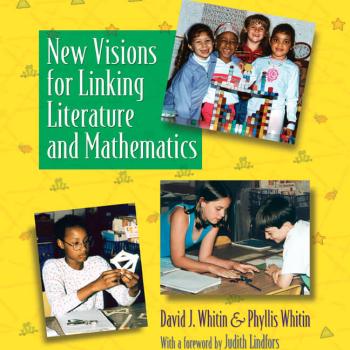
New Visions for Linking Literature and Mathematics
David and Phyllis Whitin offer K–6 teachers a wealth of ideas for integrating literature and mathematics.
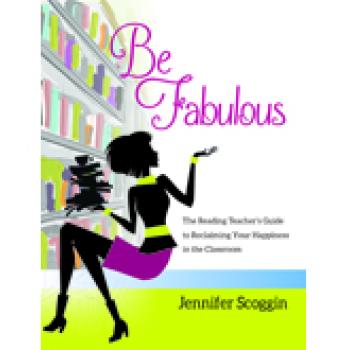
Be Fabulous: The Reading Teacher's Guide to Reclaiming Your Happiness in the Classroom
Scoggin merges her straight-talking blogger persona, Mrs. Mimi, with her years of research to help you rediscover who you are and redefine the type of literacy teacher you want to become. At the heart of this book is teacher happiness and empowerment—reconnect with your inner fabulous to give the best possible literacy instruction to your students.
Position Statement on Multimodal Literacies
This position on Multimodal Literacies is a summary statement developed by the Multimodal Literacies Issue Management Team of the NCTE Executive Committee.
Let's Go to the Movies: Rethinking the Role of Film in the Elementary Classroom
Argues that elementary language-arts teachers should expand their definition of "text" to include film, a valuable instructional material. Notes that today's elementary students come to class with a great deal of knowledge about films--prior experiences which teachers can tap into. Discusses the application to film of reader-response theories.
Different Texts, Different Emergent Writing Forms
Examines young children's ability to vary the forms of emergent writing as they wrote a story, a shopping list, and a letter to a friend at three different times during the school year. Finds that children apply their emergent knowledge about written language differently. Indicates a considerable mismatch between written products and knowledge of genre characteristics.
Nonfiction Inquiry: Using Real Reading and Writing to Explore the World
Nonfiction is the genre most likely to spur children's passion and wonder for learning. This article discusses way to motivate children to read nonfiction.

Language and Literacy: The Poetry Connection
Offers a conceptual framework for building language awareness through the reading of poetry, encouraging children to reflect on language in interesting and powerful ways. Provides an instructional model for constructing literature-based experiences in the classroom.
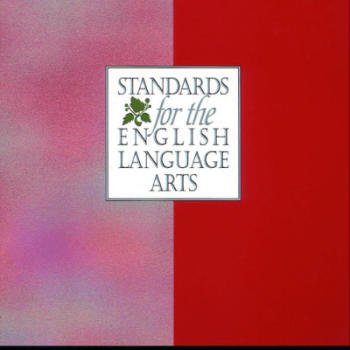
Standards for the English Language Arts
Standards for the English Language Arts presents a vision of literacy education that encompasses the use of print, oral, and visual language and addresses six interrelated English language arts: reading, writing, speaking, listening, viewing, and visually representing.