ReadWriteThink - Powered by NCTE
  • About
  • Classroom Resources
    • Lesson Plans
    • Teaching Comics
    • Teaching With Primary Resources
    • Calendar
    • Printouts
    • Student Interactives
  • Collections
    • Assessment
    • Authors
    • Booklists
    • Media Literacy
    • Poetry
    • Primary Sources
    • Writing
  • Professional Development
    • Strategy Guides
    • Professional Library
    • Meetings & Events
  • Join NCTE
  • Contact Us
  • About
  • Classroom Resources
    • Lesson Plans
    • Teaching Comics
    • Teaching With Primary Resources
    • Calendar
    • Printouts
    • Student Interactives
  • Collections
    • Assessment
    • Authors
    • Booklists
    • Media Literacy
    • Poetry
    • Primary Sources
    • Writing
  • Professional Development
    • Strategy Guides
    • Professional Library
    • Meetings & Events
  • Join NCTE
  • Contact Us
  • Facebook
  • Twitter
  • Instagram
  • Pinterest
  • YouTube

Breadcrumb

  1. Home

Type

  • Classroom Resources
  • Professional Development

Grades

  • 1 (298)
  • 2 (308)
  • 3 (508)
  • 4 (525)
  • 5 (603)
  • 7 (750)
  • 8 (780)
  • 9 (787)
  • 10 (767)
  • 11 (754)
  • 12 (751)
  • (-) 6 (735)
  • (-) K (262)

Learning Objectives

  • collaboration (231)
  • Comprehension (275)
  • critical thinking (362)
  • digital literacy (86)
  • Grammar (29)
  • inquiry / research (208)
  • listening (100)
  • literary analysis (147)
  • Media literacy (108)
  • metacognition (183)
  • multicultural awareness (59)
  • multimodal literacy (149)
  • oral communication (131)
  • phonological awareness (47)
  • print awareness (61)
  • reading fluency (43)
  • reading genres (176)
  • Spelling (41)
  • text structure / story structure (129)
  • Vocabulary (123)
  • writing genres (191)
  • writing process (211)

Topics

  • arts
  • careers
  • community
  • drama
  • ELL
  • Family
  • fiction
  • Mathematics
  • Mobile Learning
  • nonfiction
  • poetry
  • science
  • seasons / holidays
  • social action
  • social studies / history
  • Sports
  • STEM
Guided Comprehension: Monitoring Using the INSERT Technique
Grades
4 - 6
|
Lesson Plan
|
Recurring Lesson
Guided Comprehension: Monitoring Using the INSERT Technique
Based on the Guided Comprehension Model developed by Maureen McLaughlin and Mary Beth Allen, this lesson introduces students to the comprehension strategy of monitoring.
Guided Comprehension: Visualizing Using the Sketch-to-Stretch Strategy
Grades
4 - 6
|
Lesson Plan
|
Recurring Lesson
Guided Comprehension: Visualizing Using the Sketch-to-Stretch Strategy
Guided comprehension moves your middle-grade students beyond decoding to become successful, independent readers. The sketch-to-stretch strategy encourages students to use "brain TV" to help them understand a text through visualization.
Guided Comprehension: Self-Questioning Using Question-Answer Relationships
Grades
3 - 6
|
Lesson Plan
|
Standard Lesson
Guided Comprehension: Self-Questioning Using Question-Answer Relationships
Guided comprehension moves your students beyond decoding to become independent readers. Generating questions to guide reading helps readers make connections with the text and supports independent comprehension of new texts.
Guided Comprehension: Previewing Using an Anticipation Guide
Grades
3 - 6
|
Lesson Plan
|
Recurring Lesson
Guided Comprehension: Previewing Using an Anticipation Guide
Based on the Guided Comprehension Model developed by Maureen McLaughlin and Mary Beth Allen, this lesson introduces students to the comprehension strategy of previewing.
Weather: A Journey in Nonfiction
Grades
K - 2
|
Lesson Plan
|
Unit
Weather: A Journey in Nonfiction
Questions about weather clear up when students use what they learned from their books to create a presentation to share with the rest of the class.
Everyone Loves a Mystery: A Genre Study
Grades
6 - 8
|
Lesson Plan
|
Unit
Everyone Loves a Mystery: A Genre Study

Students track the elements of mystery stories through Directed Learning-Thinking Activities, story maps, and puzzles. Then they offer clues for other readers as they plan and write original mystery stories.

Word Sorts for Beginning and Struggling Readers
Grades
K - 2
|
Lesson Plan
|
Standard Lesson
Word Sorts for Beginning and Struggling Readers
Students are introduced to short-vowel word families and learn to sort words alone and with a partner using the Word Family Sort activity.

Mind Pictures: Strategies That Enhance Mental Imagery While Reading
Grades
6 - 8
|
Lesson Plan
|
Standard Lesson
Mind Pictures: Strategies That Enhance Mental Imagery While Reading
Students create mental images while reading using a three-pronged approach: developing schemata and visual awareness; Watch-Read-Watch-Read (W-R-W-R), using video clips; and a strategy similar to the think-aloud approach.
Diagram It! Identifying, Comparing, and Writing About Nonfiction Texts
Grades
K - 2
|
Lesson Plan
|
Unit
Diagram It! Identifying, Comparing, and Writing About Nonfiction Texts
Students compare the traits fact and fiction by using a Venn diagram to compare fiction and nonfiction books about Native Americans.
Grades
K - 2
|
Lesson Plan
|
Standard Lesson
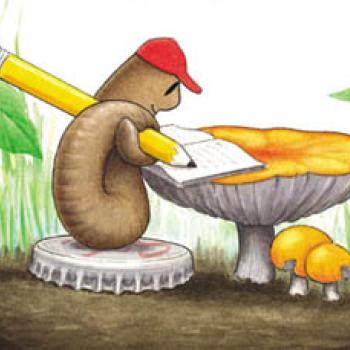
Fact or Fiction: Learning About Worms Using Diary of a Worm
Students often believe that fiction writers make everything up, seldom realizing how research worms its way into entertaining writing. In this lesson, students read Diary of a Worm to find out how fact merges with fiction.
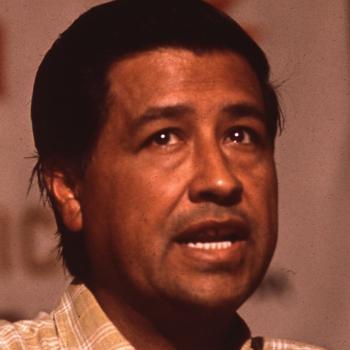
Writing Free Verse in the "Voice" of Cesar Chavez
Grades
6 - 8
|
Lesson Plan
|
Standard Lesson
Writing Free Verse in the "Voice" of Cesar Chavez
Poetry and politics combine in this lesson where students write a free verse poem in the voice of Cesar Chavez.
Going on a Shape Hunt: Integrating Math and Literacy
Grades
K - 2
|
Lesson Plan
|
Standard Lesson
Going on a Shape Hunt: Integrating Math and Literacy
Students participate in a scavenger hunt for shapes; reading, writing, and discussion of shapes encourage literacy and math skills.

Telling a Story About Me: Young Children Write Autobiographies
Grades
K - 2
|
Lesson Plan
|
Unit
Telling a Story About Me: Young Children Write Autobiographies
Students tell their life stories in this lesson about autobiographies based on family photographs.
Astronomy Poetry: Combining Poetry With the Content Areas
Grades
6 - 8
|
Lesson Plan
|
Unit
Astronomy Poetry: Combining Poetry With the Content Areas
Students' responses to this lesson will be out of this world after they've researched astronomy to write poetry and compile a poetry book.
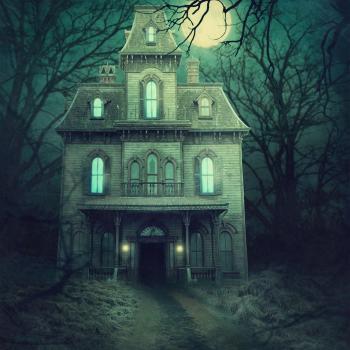
Thrills! Chills! Using Scary Stories to Motivate Students to Read
Grades
6 - 8
|
Lesson Plan
|
Unit
Thrills! Chills! Using Scary Stories to Motivate Students to Read
Students examine story elements through teacher read-alouds and independent reading and then use reader-response journals and graphic organizers to prepare for the creation of their own scary stories.

Reciprocal Revision: Making Peer Feedback Meaningful
Grades
6 - 8
|
Lesson Plan
|
Standard Lesson
Reciprocal Revision: Making Peer Feedback Meaningful
Interpreting art is a subjective process. In this lesson, students write written responses analyzing a work of art and use feedback from their peers to revise or confirm their initial responses.

Grades
K - 2
|
Lesson Plan
|
Unit
Junie B. Jones Introduces Literacy Mystery Boxes
Like Junie B. Jones, students will be saying "Wait till you hear this" after listening to a Junie B. story and creating mystery boxes to help retell the story.

You Can't Spell the Word <em>Prefix</em> Without a Prefix
Grades
6 - 8
|
Lesson Plan
|
Standard Lesson
You Can't Spell the Word Prefix Without a Prefix
Students explore the role of prefixes, as well as their origins and meanings, and examine how the understanding of prefixes can improve comprehension, decoding, and spelling.

Using Personal Connections to Build an Understanding of Emotions
Grades
K - 2
|
Lesson Plan
|
Standard Lesson
Using Personal Connections to Build an Understanding of Emotions
What makes you happy? What makes you sad? Connecting words to feelings enriches vocabulary and helps with concept development.
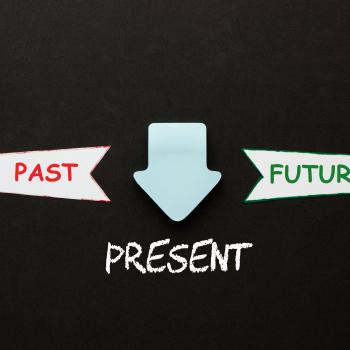
Timelines and Texts: Motivating Students to Read Nonfiction
Grades
6 - 8
|
Lesson Plan
|
Standard Lesson
Timelines and Texts: Motivating Students to Read Nonfiction
In an effort to help motivate students to read nonfiction, students are challenged to use a timeline to help them name the year when certain products were invented.

Pagination

  • First page « First
  • Previous page ‹‹
  • …
  • Page 22
  • Page 23
  • Page 24
  • Page 25
  • Page 26
  • Page 27
  • Page 28
  • Page 29
  • Page 30
  • …
  • Next page ››
  • Last page Last »

Explore Resources by Grade

  • KindergartenK
  • 1-2
  • 3-4
  • 5-6
  • 7-8
  • 9-10
  • 11-12

RWT-logo

Powered By NCTE

Footer 1 Menu

  • About
  • Classroom Resources
  • Professional Development
  • Collections
  • Contact Us

Footer 2 Menu

  • National Council of Teachers of English
  • Contribute to RWT
  • FAQs
  • Join NCTE

Footer 3 Menu

  • Legal Notices
  • Privacy Policy
  • Promotional Materials
  • Site Demonstrations

Want to stay in touch with RWT and NCTE? Sign up here!

  • Facebook
  • Twitter
  • Instagram
  • Pinterest
  • YouTube

© NCTE 2026. All rights reserved