Students analyze characterization by creating their own superheroes or super-villains,
complete with related gadgets and settings.

Fantastic Characters: Analyzing and Creating Superheroes and Villains

Blurring Genre: Exploring Fiction and Nonfiction with Diary of a Worm
After reading several examples of how a published author incorporates facts in fiction writing, students research a topic of their choice and write fictional diary entries that incorporate factual information.

Grocery Store Scavenger Hunt: Researching Nutrition to Advertise for Health
After researching nutrition and analyzing food advertisements, students work in cooperative groups to create their own advertisements for food products.

Travel Brochures: Highlighting the Setting of a Story
Readers are often transported to the places mentioned in texts through words and descriptions. This lesson invites students to create travel brochures about the setting of texts they have read.
Campaigning for Fair Use: Public Service Announcements on Copyright Awareness
Students explore a range of resources on fair use and copyright then design their own audio public service announcements (PSAs), to be broadcast over the school's public address system.
Finding the Science Behind Science Fiction through Paired Readings
Students read science fiction texts and then use nonfiction texts to extrapolate the scientific principles presented as they discuss the "what ifs" within the context of scientific principles.
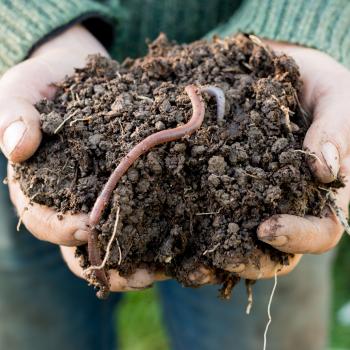
Digging Up Details on Worms: Using the Language of Science in an Inquiry Study
This lesson, in which students research worms in order to create a classroom habitat, incorporates reading and writing across content areas as well as math and science activities.

Investigating Names to Explore Personal History and Cultural Traditions
Students investigate the meanings and origins of their names in order to establish their own personal histories and to explore the cultural significance of naming traditions.

How Does My Garden Grow? Writing in Science Field Journals
Students plant a garden and study its growth using the inquiry process of questioning and exploring. As they research and study, students record their observations in a field journal.
Our Community: Creating ABC Books as Assessment
Students create alphabet books, which are used as an integrated assessment with science, health, social studies, and any other content area. This lesson plans looks at the theme of community.

As Slippery as an Eel: An Ocean Unit Exploring Simile and Metaphor
Students play with simile and metaphor as they study the ocean and use figurative language to write a class book about it.

Investigating the Holocaust: A Collaborative Inquiry Project
Students explore a variety of resources as they learn about the Holocaust. Working collaboratively, they investigate the materials, prepare oral responses, and produce a topic-based newspaper to complete their research.
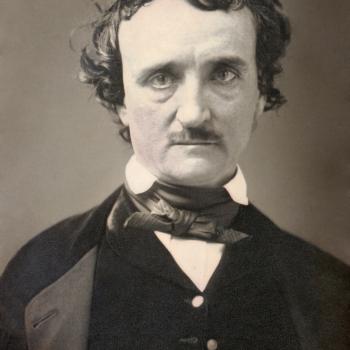
Modeling Reading and Analysis Processes with the Works of Edgar Allan Poe
Explore reading strategies using Edgar Allan Poe's "The Raven" and other works. Students read Poe's works in both large- and small-group readings then conclude with a variety of projects.
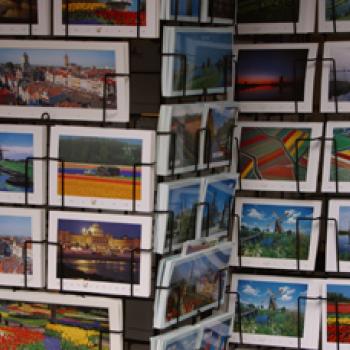
Mail Time! An Integrated Postcard and Geography Study
Children write and receive postcards from friends and family, and then chart where all those postcards come from on a classroom map.

Creating Question and Answer Books through Guided Research
This series of activities is designed to teach research strategies. Students use KWL charts to guide their inquiry and publish their results in a collaborative question and answer book.

Inquiry on the Internet: Evaluating Web Pages for a Class Collection
Students use Internet search engines and Web analysis checklists to evaluate online resources then write annotations that explain how and why the resources will be valuable to the class.
Picture Books as Framing Texts: Research Paper Strategies for Struggling Writers
Students use picture books as framing texts for research, freeing them from the language of encyclopedia sources and allowing them to focus their attention on the content of their papers.

An Exploration of Text Sets: Supporting All Readers
Students create text sets on a high interest topic and use the texts to practice three strategies for reading for information.

Animal Study: From Fiction to Facts
Students listen to fiction and nonfiction read-alouds and explore selected Websites to identify factual information about animals. This lesson focuses on ants, but can be adapted to any animal.
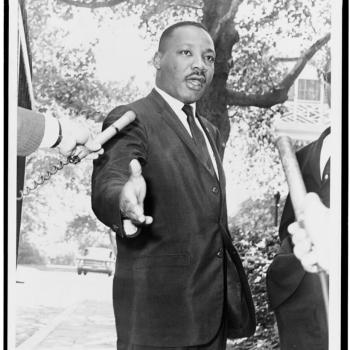
Martin Luther King, Jr. and Me: Identifying with a Hero
This lesson provides ideas for celebrating Martin Luther King, Jr. Day by encouraging students to explore the connections between Dr. King and themselves through journaling and inquiry-based research.