This document is a code of best practices that helps educators using media literacy concepts and techniques to interpret the copyright doctrine of fair use.
Code of Best Practices in Fair Use for Media Literacy Education
Being and Becoming: Multilingual Writers' Practices
This study examines the writing practices taken on and negotiated by multilingual class members within two multiage elementary classrooms.
From Sheryl Crow to Homer Simpson: Literature and Composition through Pop Culture
High school teacher Jerome Evans makes popular culture an integral part of his courses. Through analyzing themes in song lyrics, rhetorical devices in essays and advertisements, and psychology in contemporary film, students improve their skills in critical thinking and writing.
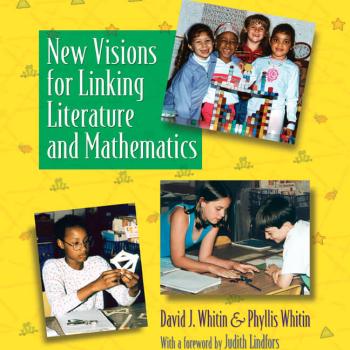
New Visions for Linking Literature and Mathematics
David and Phyllis Whitin offer K–6 teachers a wealth of ideas for integrating literature and mathematics.
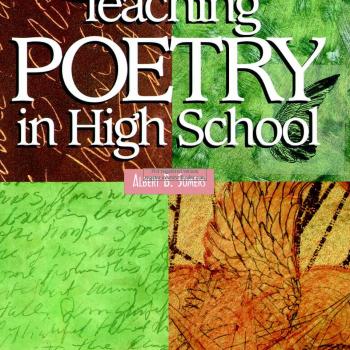
Teaching Poetry in High School
Albert Somers offers teachers a vast compendium of resources for teaching poetry in a highly accessible format.
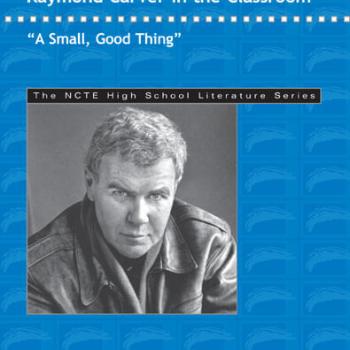
Raymond Carver in the Classroom: "A Small, Good Thing"
Rubenstein offers specific, classroom-tested strategies for teaching Raymond Carver's short stories and poems in the high school English classroom.
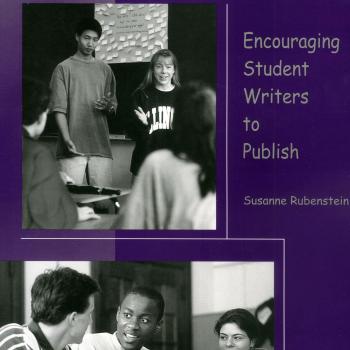
Go Public!: Encouraging Student Writers to Publish
Intended for middle and high school teachers, Go Public! offers specific writing ideas and classroom activities to help students develop the confidence and ability to publish in a wide market.
Beyond Voices of Readers: Students on School's Effects on Reading
This article summarizes and explicates research on 272 twelfth-grade students' reading autobiographies. Cope quotes from some noteworthy comments and makes some suggestions on how teachers and schools might do a better job of teaching literature.
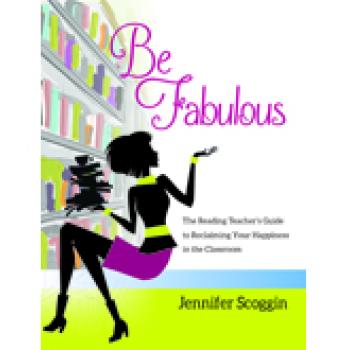
Be Fabulous: The Reading Teacher's Guide to Reclaiming Your Happiness in the Classroom
Scoggin merges her straight-talking blogger persona, Mrs. Mimi, with her years of research to help you rediscover who you are and redefine the type of literacy teacher you want to become. At the heart of this book is teacher happiness and empowerment—reconnect with your inner fabulous to give the best possible literacy instruction to your students.
Pamphlets: An Introduction to Research Techniques
Describes a four- to six-week project for high school sophomores in which students create pamphlets and in the process learn basic research skills and practice several elements of the research paper.
Research Matters: What Kinds of Classroom Discussion Promote Reading Comprehension?
"Research Matters" provides teachers with review and application of research that illuminates the daily concerns and activities of English language arts teachers and classrooms.
Position Statement on Multimodal Literacies
This position on Multimodal Literacies is a summary statement developed by the Multimodal Literacies Issue Management Team of the NCTE Executive Committee.
Let's Go to the Movies: Rethinking the Role of Film in the Elementary Classroom
Argues that elementary language-arts teachers should expand their definition of "text" to include film, a valuable instructional material. Notes that today's elementary students come to class with a great deal of knowledge about films--prior experiences which teachers can tap into. Discusses the application to film of reader-response theories.
Building Community through Poetry: A Role for Imagination in the Classroom
Methods such as the circle poem, the "poetic interview," the found poem, and the poetic field trip are just some used by the author to create an atmosphere of mutual support and enable students to initiate "imaginative possibilities."
Using Short Story Collections to Enrich the English Classroom
Describes ways short story collections can be integrated into the English curriculum, including a short story fair, a short story hunt, using single short stories to extend a unit, using a short story by itself, using a collection as a whole, and using short stories as part of a focus on writing. Offers a list of short story resources.

Expanding Vision: Teaching Haiku
Despite common misconceptions about haiku, there is a lively and vibrant haiku community throughout the United States and many other countries. Read this article for further discussion on the use of haiku in your own classroom.
Different Texts, Different Emergent Writing Forms
Examines young children's ability to vary the forms of emergent writing as they wrote a story, a shopping list, and a letter to a friend at three different times during the school year. Finds that children apply their emergent knowledge about written language differently. Indicates a considerable mismatch between written products and knowledge of genre characteristics.
Nonfiction Inquiry: Using Real Reading and Writing to Explore the World
Nonfiction is the genre most likely to spur children's passion and wonder for learning. This article discusses way to motivate children to read nonfiction.

Language and Literacy: The Poetry Connection
Offers a conceptual framework for building language awareness through the reading of poetry, encouraging children to reflect on language in interesting and powerful ways. Provides an instructional model for constructing literature-based experiences in the classroom.