ReadWriteThink - Powered by NCTE
  • About
  • Classroom Resources
    • Lesson Plans
    • Teaching Comics
    • Teaching With Primary Resources
    • Calendar
    • Printouts
    • Student Interactives
  • Collections
    • Assessment
    • Authors
    • Booklists
    • Media Literacy
    • Poetry
    • Primary Sources
    • Writing
  • Professional Development
    • Strategy Guides
    • Professional Library
    • Meetings & Events
  • Join NCTE
  • Contact Us
  • About
  • Classroom Resources
    • Lesson Plans
    • Teaching Comics
    • Teaching With Primary Resources
    • Calendar
    • Printouts
    • Student Interactives
  • Collections
    • Assessment
    • Authors
    • Booklists
    • Media Literacy
    • Poetry
    • Primary Sources
    • Writing
  • Professional Development
    • Strategy Guides
    • Professional Library
    • Meetings & Events
  • Join NCTE
  • Contact Us
  • Facebook
  • Twitter
  • Instagram
  • Pinterest
  • YouTube

Breadcrumb

  1. Home

Type

  • (-) Professional Development
    • Professional Library
    • Strategy Guide

Grades

  • 1 (4)
  • 2 (4)
  • 4 (2)
  • 5 (3)
  • 6 (6)
  • 7 (8)
  • 8 (13)
  • 9 (16)
  • 10 (15)
  • 11 (15)
  • 12 (15)
  • K (1)
  • (-) 3 (5)

Learning Objectives

  • (-) literary analysis (5)
  • Comprehension (14)
  • critical thinking (14)
  • digital literacy (2)
  • Grammar (1)
  • inquiry / research (4)
  • listening (3)
  • Media literacy (1)
  • metacognition (10)
  • multicultural awareness (1)
  • multimodal literacy (4)
  • oral communication (7)
  • phonological awareness (1)
  • print awareness (2)
  • reading genres (3)
  • text structure / story structure (4)
  • Vocabulary (8)
  • writing genres (6)
  • writing process (9)

Topics

  • community
  • Family
  • fiction
  • nonfiction
  • poetry
Making Connections
Grades
Grades
3 - 8
|
Strategy Guide
Making Connections
In this strategy guide, you'll learn to model how students can make three different kinds of connections (text-to-text, text-to-self, text-to-world). Students then use this knowledge to find their own personal connections to a text.

Depend on the Text! How to Create Text-Dependent Questions
Grades
Grades
1 - 3
|
Strategy Guide
Depend on the Text! How to Create Text-Dependent Questions
Teachers need to create text-dependent questions to elicit close reading. When answering these questions, students learn to reread and think deeply about the text.
Promote Deep Thinking! How to Choose a Complex Text
Grades
Grades
1 - 3
|
Strategy Guide
Promote Deep Thinking! How to Choose a Complex Text
Complex texts promote deep thinking and critical analysis by students. Through close reading of a complex text, students' independent reading abilities also increase.

Get Close to Think Deeply: Creating Primary-Level Close Readings
Grades
Grades
1 - 3
|
Strategy Guide
Get Close to Think Deeply: Creating Primary-Level Close Readings
Close readings allow primary students to engage with complex texts. Through repeated reading, students build a deep understanding of the text and critical thinking skills.
Wondrous Words: Writers and Writing in the Elementary Classroom
Grades
K - 6
|
Professional Library
|
Book
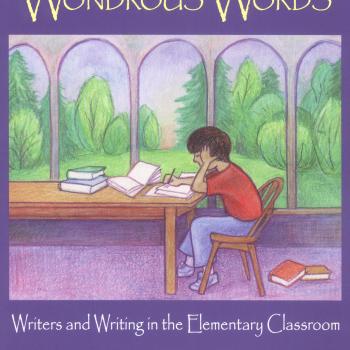
Wondrous Words: Writers and Writing in the Elementary Classroom
Katie Wood Ray explains in practical terms the theoretical underpinnings of how elementary and middle school students learn to write from their reading.

Explore Resources by Grade

  • KindergartenK
  • 1-2
  • 3-4
  • 5-6
  • 7-8
  • 9-10
  • 11-12

RWT-logo

Powered By NCTE

Footer 1 Menu

  • About
  • Classroom Resources
  • Professional Development
  • Collections
  • Contact Us

Footer 2 Menu

  • National Council of Teachers of English
  • Contribute to RWT
  • FAQs
  • Join NCTE

Footer 3 Menu

  • Legal Notices
  • Privacy Policy
  • Promotional Materials
  • Site Demonstrations

Want to stay in touch with RWT and NCTE? Sign up here!

  • Facebook
  • Twitter
  • Instagram
  • Pinterest
  • YouTube

© NCTE 2026. All rights reserved