ReadWriteThink - Powered by NCTE
  • About
  • Classroom Resources
    • Lesson Plans
    • Teaching Comics
    • Teaching With Primary Resources
    • Calendar
    • Printouts
    • Student Interactives
  • Collections
    • Assessment
    • Authors
    • Booklists
    • Media Literacy
    • Poetry
    • Primary Sources
    • Writing
  • Professional Development
    • Strategy Guides
    • Professional Library
    • Meetings & Events
  • Join NCTE
  • Contact Us
  • About
  • Classroom Resources
    • Lesson Plans
    • Teaching Comics
    • Teaching With Primary Resources
    • Calendar
    • Printouts
    • Student Interactives
  • Collections
    • Assessment
    • Authors
    • Booklists
    • Media Literacy
    • Poetry
    • Primary Sources
    • Writing
  • Professional Development
    • Strategy Guides
    • Professional Library
    • Meetings & Events
  • Join NCTE
  • Contact Us
  • Facebook
  • Twitter
  • Instagram
  • Pinterest
  • YouTube

Breadcrumb

  1. Home

Type

  • (-) Lesson Plan
    • Minilesson
    • Recurring Lesson
    • Standard Lesson
    • Unit

Grades

  • 1 (5)
  • 2 (10)
  • 4 (23)
  • 5 (29)
  • 6 (52)
  • 7 (52)
  • 8 (54)
  • 9 (45)
  • 10 (43)
  • 11 (42)
  • 12 (42)
  • K (5)
  • (-) 3 (21)

Learning Objectives

  • (-) digital literacy (21)
  • collaboration (104)
  • Comprehension (104)
  • critical thinking (75)
  • Grammar (13)
  • inquiry / research (55)
  • listening (37)
  • literary analysis (56)
  • Media literacy (17)
  • metacognition (31)
  • multicultural awareness (16)
  • multimodal literacy (29)
  • oral communication (34)
  • phonological awareness (9)
  • print awareness (13)
  • reading fluency (18)
  • reading genres (44)
  • Spelling (9)
  • text structure / story structure (56)
  • Vocabulary (43)
  • writing genres (56)
  • writing process (91)

Topics

  • arts
  • careers
  • community
  • ELL
  • Family
  • fiction
  • Mathematics
  • Mobile Learning
  • nonfiction
  • poetry
  • science
  • social studies / history
  • Sports
Utilizing Visual Images for Creating and Conveying Setting in Written Text
Grades
3 - 6
|
Lesson Plan
|
Recurring Lesson
Utilizing Visual Images for Creating and Conveying Setting in Written Text
This lesson supports third-through-sixth grade students as they communicate story setting to their readers through the use of visual image prompts. Activities include individual and cooperative learning group work, as well as whole class discussion.
Research Building Blocks: Examining Electronic Sources
Grades
3 - 5
|
Lesson Plan
|
Minilesson
Research Building Blocks: Examining Electronic Sources
In this lesson, students evaluate and rate the relevance of electronic resources as they research information about their state.

Website Planning in a Bilingual Classroom
Grades
3 - 5
|
Lesson Plan
|
Standard Lesson
Website Planning in a Bilingual Classroom
Students complete a family survey and plan a website to share the responses, increasing their understanding and appreciation of their own families and cultures, and their classmates as well.

Using the Internet to Facilitate Improved Reading Comprehension
Grades
3 - 5
|
Lesson Plan
|
Minilesson
Using the Internet to Facilitate Improved Reading Comprehension
Could some common online activities actually improve reading comprehension? Understanding RSS feeds requires inferential thinking, as students use the summary to draw conclusions about the full content.

Grades
3 - 5
|
Lesson Plan
|
Minilesson
Promoting Cultural Values Through Alphabet Books
C is for Culture in this lesson in which students research a culture different from their own and compile an alphabet book that showcases cultural symbols for each letter of the alphabet.
A Musical Prompt: Postcards From the Concert
Grades
3 - 5
|
Lesson Plan
|
Standard Lesson
A Musical Prompt: Postcards From the Concert
Students won't miss a beat in this musical lesson that combines listening with personal response on a postcard.
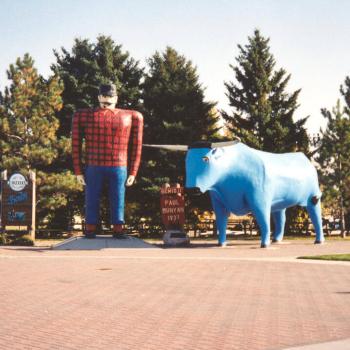
Thundering Tall Tales: Using Read-Aloud as a Springboard to Writing
Grades
3 - 5
|
Lesson Plan
|
Standard Lesson
Thundering Tall Tales: Using Read-Aloud as a Springboard to Writing
Imagination and application are key to this tall tale lesson in which students take what they know about tall tales to spin a yarn of their own.

Show What You Know: Read, Write and Solve Math Problems
Grades
2 - 3
|
Lesson Plan
|
Minilesson
Show What You Know: Read, Write and Solve Math Problems
Informational texts, iPads, and interactive games, oh, my! Help students journey through multimodal texts to identify and solve real-world mathematics problems using writing and apps.
Poetry Plus! Creating 21st Century Poems with Web Tools
Grades
3 - 5
|
Lesson Plan
|
Minilesson
Poetry Plus! Creating 21st Century Poems with Web Tools
This lesson encourages students to immerse themselves in poetry as they share their original poems orally and digitally with published poets and peers nationwide.

Blogging in the Primary Grades? Yes, Indeed!
Grades
2 - 5
|
Lesson Plan
|
Standard Lesson
Blogging in the Primary Grades? Yes, Indeed!
Give students an authentic reason to read and write by researching blogs written by their peers around the world and then writing their own.

Bringing Economic Vocabulary to Life Through Video Posters
Grades
2 - 5
|
Lesson Plan
|
Minilesson
Bringing Economic Vocabulary to Life Through Video Posters
Imagine if vocabulary could come alive with the click of a button! Students create video posters to demonstrate knowledge of new economics vocabulary.
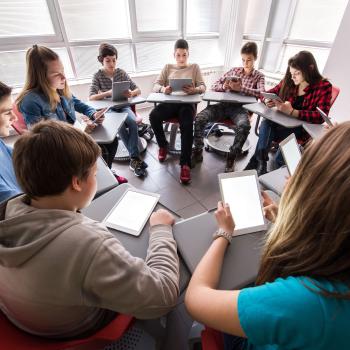
Digital Word Detectives: Building Vocabulary With e-Book Readers
Grades
2 - 6
|
Lesson Plan
|
Minilesson
Digital Word Detectives: Building Vocabulary With e-Book Readers
Students in grades 2-6 use digital dictionaries and other e-book tools to learn new vocabulary as they read e-books on digital reading devices.

Going Digital: Using e-Book Readers to Enhance the Reading Experience
Grades
2 - 4
|
Lesson Plan
|
Standard Lesson
Going Digital: Using e-Book Readers to Enhance the Reading Experience
Students use various tools and features of digital readers to develop vocabulary, support comprehension, respond to text, improve fluency, and enhance the reading experience.
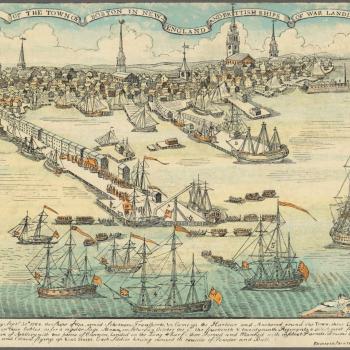
Learning About Research and Writing Using the American Revolution
Grades
3 - 5
|
Lesson Plan
|
Unit
Learning About Research and Writing Using the American Revolution
Students across the board will get a kick out of researching a historical figure from the American Revolution to create an acrostic poem.
Grades
3 - 5
|
Lesson Plan
|
Standard Lesson
Skimming and Scanning: Using Riddles to Practice Fact Finding Online
Students will learn to skim and scan to make sure they don't flounder when they're surfing the Internet for facts to help them complete riddles about the United States.
Zines for Kids: Multigenre Texts About Media Icons
Grades
3 - 5
|
Lesson Plan
|
Unit
Zines for Kids: Multigenre Texts About Media Icons
Special edition! Students use ReadWriteThink tools to create magazines about prominent figures using a variety of writing genres and styles.
Alaska Native Stories: Using Narrative to Introduce Expository Text
Grades
3 - 5
|
Lesson Plan
|
Standard Lesson
Alaska Native Stories: Using Narrative to Introduce Expository Text
Tradition and technology come together in this lesson in which students learn about Alaskan animals through Native American tales and their own online research.
Multimedia Responses to Content Area Topics Using Fact-"Faction"-Fiction
Grades
3 - 5
|
Lesson Plan
|
Standard Lesson
Multimedia Responses to Content Area Topics Using Fact-"Faction"-Fiction

Students climb into the mind of a spider in this lesson that asks them to compose a spider diary using spider facts, fiction, and "faction"—fiction that sounds like fact.

Exploring World Cultures Through Folk Tales
Grades
3 - 5
|
Lesson Plan
|
Standard Lesson
Exploring World Cultures Through Folk Tales
Journey around the world with students as they read a Japanese, African, or Welsh folk tale, create a visual depiction of the tale, research the tale's culture, and present findings.
Grades
3 - 5
|
Lesson Plan
|
Standard Lesson
Sharing Favorite Books Using Interactive Character Trading Cards
Using selected characters from a text of their choice, students put their literary analysis skills to work by creating fictional character trading cards.

Pagination

  • Page 1
  • Page 2
  • Next page ››
  • Last page Last »

Explore Resources by Grade

  • KindergartenK
  • 1-2
  • 3-4
  • 5-6
  • 7-8
  • 9-10
  • 11-12

RWT-logo

Powered By NCTE

Footer 1 Menu

  • About
  • Classroom Resources
  • Professional Development
  • Collections
  • Contact Us

Footer 2 Menu

  • National Council of Teachers of English
  • Contribute to RWT
  • FAQs
  • Join NCTE

Footer 3 Menu

  • Legal Notices
  • Privacy Policy
  • Promotional Materials
  • Site Demonstrations

Want to stay in touch with RWT and NCTE? Sign up here!

  • Facebook
  • Twitter
  • Instagram
  • Pinterest
  • YouTube

© NCTE 2026. All rights reserved