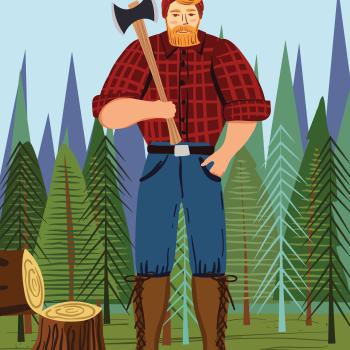
Groups of students read and discuss American folklore stories, each group reading a different story. Using a jigsaw strategy, the groups compare character traits and main plot points of the stories. A diverse selection of American folk tales is used for this lesson, which is adaptable to any text set.
American Folklore: A Jigsaw Character Study

Exchanging Ideas by Sharing Journals: Interactive Response in the Classroom
Pairs of students respond to literature alternately in shared journals. Mini-lessons are presented on responding to prompts, creating dialogue, adding drawings, and asking and answering questions.

Website Planning in a Bilingual Classroom
Students complete a family survey and plan a website to share the responses, increasing their understanding and appreciation of their own families and cultures, and their classmates as well.
Q is for Duck: Using Alphabet Books With Struggling Writers
A is for zoo? Q is for duck? The alphabet as students know it is transformed when students create a class book that contains clever associations for each letter of the alphabet.
Using Pictures to Build Schema for Social Studies Content
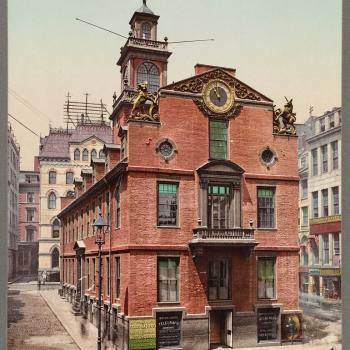
How do you read an image? Students find out in this lesson in which they "read" several images of the Boston Massacre to better understand the event and recognize effects of propaganda.

Multipurpose Poetry: Introducing Science Concepts and Increasing Fluency
Creepy crawlers, hoppers, and fliers are the focus of this lesson in which students chorally read poems about insects and use the Internet to locate facts about their assigned insects.

Exploring Compare and Contrast Structure in Expository Texts
Students build their understanding of the terms compare and contrast by participating in class discussions, using Internet resources, working collaboratively, and by visually representing information in a Venn diagram.