ReadWriteThink - Powered by NCTE
  • About
  • Classroom Resources
    • Lesson Plans
    • Teaching Comics
    • Teaching With Primary Resources
    • Calendar
    • Printouts
    • Student Interactives
  • Collections
    • Assessment
    • Authors
    • Booklists
    • Media Literacy
    • Poetry
    • Primary Sources
    • Writing
  • Professional Development
    • Strategy Guides
    • Professional Library
    • Meetings & Events
  • Join NCTE
  • Contact Us
  • About
  • Classroom Resources
    • Lesson Plans
    • Teaching Comics
    • Teaching With Primary Resources
    • Calendar
    • Printouts
    • Student Interactives
  • Collections
    • Assessment
    • Authors
    • Booklists
    • Media Literacy
    • Poetry
    • Primary Sources
    • Writing
  • Professional Development
    • Strategy Guides
    • Professional Library
    • Meetings & Events
  • Join NCTE
  • Contact Us
  • Facebook
  • Twitter
  • Instagram
  • Pinterest
  • YouTube

Breadcrumb

  1. Home

Type

  • Classroom Resources

Grades

  • 1 (16)
  • 3 (39)
  • 4 (41)
  • 5 (46)
  • 6 (91)
  • 7 (90)
  • 8 (90)
  • 9 (95)
  • 10 (95)
  • 11 (92)
  • 12 (92)
  • K (16)
  • (-) 2 (17)

Learning Objectives

  • (-) reading genres (17)
  • collaboration (28)
  • Comprehension (41)
  • critical thinking (33)
  • digital literacy (9)
  • Grammar (5)
  • inquiry / research (10)
  • listening (23)
  • literary analysis (22)
  • Media literacy (8)
  • metacognition (13)
  • multicultural awareness (7)
  • multimodal literacy (8)
  • oral communication (21)
  • phonological awareness (14)
  • print awareness (14)
  • reading fluency (13)
  • Spelling (10)
  • text structure / story structure (30)
  • Vocabulary (22)
  • writing genres (11)
  • writing process (20)

Topics

  • (-) fiction
  • arts
  • community
  • drama
  • ELL
  • Family
  • Mathematics
  • nonfiction
  • poetry
  • science
  • seasons / holidays
  • social action
  • social studies / history
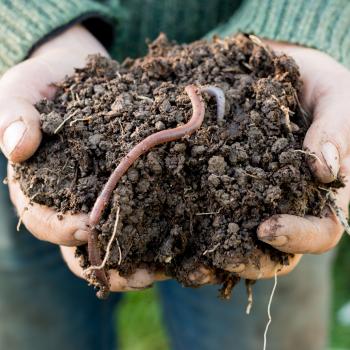
Digging Up Details on Worms: Using the Language of Science in an Inquiry Study
Grades
K - 2
|
Lesson Plan
|
Standard Lesson
Digging Up Details on Worms: Using the Language of Science in an Inquiry Study
This lesson, in which students research worms in order to create a classroom habitat, incorporates reading and writing across content areas as well as math and science activities.
Grades
K - 2
|
Lesson Plan
|
Standard Lesson
Completing the Circle: The Craft of Circular Plot Structure
Students identify, explore and apply the elements of circle plot structures to their own stories by using graphic organizers, reading and writing stories, and using checklists to assess their work.
Improving Fluency through Group Literary Performance
Grades
K - 2
|
Lesson Plan
|
Standard Lesson
Improving Fluency through Group Literary Performance
Students participate in shared reading, choral reading, and readers theater, using books by Bill Martin, Jr. Repeated readings and literary performances help students with their reading accuracy, expression, and rate.
Grades
K - 2
|
Lesson Plan
|
Standard Lesson
Animal Study: From Fiction to Facts
Students listen to fiction and nonfiction read-alouds and explore selected Websites to identify factual information about animals. This lesson focuses on ants, but can be adapted to any animal.
It Doesn't Have to End That Way: Using Prediction Strategies with Literature
Grades
K - 2
|
Lesson Plan
|
Minilesson
It Doesn't Have to End That Way: Using Prediction Strategies with Literature
After listening to the beginning of a story, students use details in the text, personal experience, and prior knowledge to predict the way the story will end.
Literature Circles with Primary Students Using Self-Selected Reading
Grades
K - 2
|
Lesson Plan
|
Recurring Lesson
Literature Circles with Primary Students Using Self-Selected Reading
Students respond to self-selected books in journals, and talk about their books daily in small groups. The teacher guides students by offering suggestions and writing with them in dialogue journals.

Reading in the content areas
Grades
Grades
K - 12
|
Strategy Guide Series
Reading in the Content Areas
In this Strategy Guide Series, you'll get information and ideas about teaching reading in the different content areas.
Diagram It! Identifying, Comparing, and Writing About Nonfiction Texts
Grades
K - 2
|
Lesson Plan
|
Unit
Diagram It! Identifying, Comparing, and Writing About Nonfiction Texts
Students compare the traits fact and fiction by using a Venn diagram to compare fiction and nonfiction books about Native Americans.
Grades
K - 2
|
Lesson Plan
|
Standard Lesson
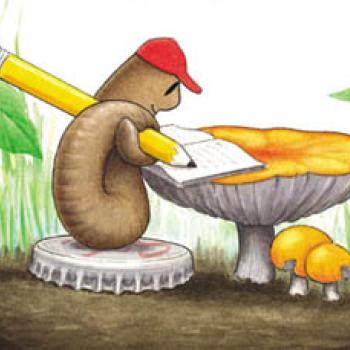
Fact or Fiction: Learning About Worms Using Diary of a Worm
Students often believe that fiction writers make everything up, seldom realizing how research worms its way into entertaining writing. In this lesson, students read Diary of a Worm to find out how fact merges with fiction.

Engaging With Cause-and-Effect Relationships Through Creating Comic Strips
Grades
2 - 4
|
Lesson Plan
Engaging With Cause-and-Effect Relationships Through Creating Comic Strips
Students demonstrate their knowledge of cause-and-effect relationships by creating original comic strips and sharing their completed work in an oral presentation format.
Shared Poetry Reading: Teaching Print Concepts, Rhyme, and Vocabulary
Grades
K - 2
|
Lesson Plan
|
Standard Lesson
Shared Poetry Reading: Teaching Print Concepts, Rhyme, and Vocabulary
The rhyme and reason behind this lesson is that students will need to develop important reading skills to increase their reading fluency.
Teaching About Story Structure Using Fairy Tales
Grades
K - 2
|
Lesson Plan
|
Standard Lesson
Teaching About Story Structure Using Fairy Tales
From "once upon a time" to "happily ever after," students learn to recognize story structure in fairy tales and create a logical sequence of events when writing original stories.

From Fact to Fiction: Drawing and Writing Stories
Grades
K - 2
|
Lesson Plan
|
Unit
From Fact to Fiction: Drawing and Writing Stories
Students gather factual information about frogs and toads to create nonfiction and fiction stories. Drawing is used for prewriting.
Grades
K - 12
|
Student Interactive
|
Organizing & Summarizing
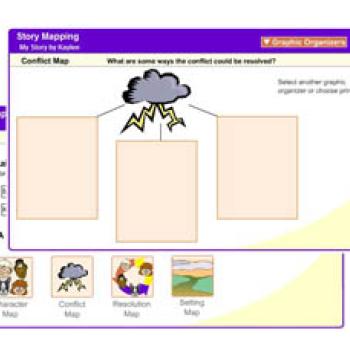
Story Map

The Story Map interactive is designed to assist students in prewriting and postreading activities by focusing on the key elements of character, setting, conflict, and resolution.
Celebrate National Library Week!
Grades
K - 12
|
Calendar Activity
|
Literacy-Related Event
Celebrate National Library Week!

Students learn more about libraries as part of National Library Week.
Today is D.E.A.R. Day!
Grades
K - 12
|
Calendar Activity
|
Holiday & School Celebration
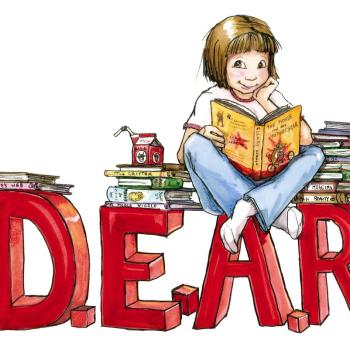
Today is D.E.A.R. Day!
April 12 is known as D.E.A.R Day! D.E.A.R. stands for "Drop Everything and Read," a national month-long celebration of reading designed to remind folks of all ages to make reading a priority activity in their lives.
Jon Scieszka was born in 1954.
Grades
K - 8
|
Calendar Activity
|
Author & Text
Jon Scieszka was born in 1954.
Students review Scieszka's tips for encouraging young people to read and then create their own, sharing ideas with adults in their community through a letter.

Explore Resources by Grade

  • KindergartenK
  • 1-2
  • 3-4
  • 5-6
  • 7-8
  • 9-10
  • 11-12

RWT-logo

Powered By NCTE

Footer 1 Menu

  • About
  • Classroom Resources
  • Professional Development
  • Collections
  • Contact Us

Footer 2 Menu

  • National Council of Teachers of English
  • Contribute to RWT
  • FAQs
  • Join NCTE

Footer 3 Menu

  • Legal Notices
  • Privacy Policy
  • Promotional Materials
  • Site Demonstrations

Want to stay in touch with RWT and NCTE? Sign up here!

  • Facebook
  • Twitter
  • Instagram
  • Pinterest
  • YouTube

© NCTE 2026. All rights reserved