ReadWriteThink - Powered by NCTE
  • About
  • Classroom Resources
    • Lesson Plans
    • Teaching Comics
    • Teaching With Primary Resources
    • Calendar
    • Printouts
    • Student Interactives
  • Collections
    • Assessment
    • Authors
    • Booklists
    • Media Literacy
    • Poetry
    • Primary Sources
    • Writing
  • Professional Development
    • Strategy Guides
    • Professional Library
    • Meetings & Events
  • Join NCTE
  • Contact Us
  • About
  • Classroom Resources
    • Lesson Plans
    • Teaching Comics
    • Teaching With Primary Resources
    • Calendar
    • Printouts
    • Student Interactives
  • Collections
    • Assessment
    • Authors
    • Booklists
    • Media Literacy
    • Poetry
    • Primary Sources
    • Writing
  • Professional Development
    • Strategy Guides
    • Professional Library
    • Meetings & Events
  • Join NCTE
  • Contact Us
  • Facebook
  • Twitter
  • Instagram
  • Pinterest
  • YouTube

Breadcrumb

  1. Home

Type

  • (-) Standard Lesson

Grades

  • 1 (10)
  • 3 (18)
  • 4 (20)
  • 5 (23)
  • 6 (26)
  • 7 (27)
  • 8 (29)
  • 9 (31)
  • 10 (29)
  • 11 (28)
  • 12 (28)
  • K (7)
  • (-) 2 (11)

Learning Objectives

  • collaboration (4)
  • Comprehension (5)
  • Grammar (2)
  • inquiry / research (1)
  • listening (3)
  • multicultural awareness (1)
  • oral communication (2)
  • phonological awareness (6)
  • print awareness (2)
  • reading fluency (2)
  • reading genres (1)
  • Spelling (3)
  • Vocabulary (4)
  • writing genres (4)
  • writing process (5)

Topics

  • (-) poetry
  • careers
  • community
  • drama
  • ELL
  • Family
  • fiction
  • Mathematics
  • Mobile Learning
  • nonfiction
  • science
  • seasons / holidays
  • social action
  • social studies / history
Choosing One Word: Summarizing Shel Silverstein's "Sick"
Grades
1 - 2
|
Lesson Plan
|
Standard Lesson
Choosing One Word: Summarizing Shel Silverstein's "Sick"
Students select what they believe to be the most important word in a text that they have read and justify their choice using examples from the text.

Grades
K - 2
|
Lesson Plan
|
Standard Lesson
A Bear of a Poem: Composing and Performing Found Poetry
Children find favorite words, phrases, and sentences from familiar stories. Working together, they combine their words and phrases to create a poem. The poem is then shared as performance poetry.
Grades
1 - 2
|
Lesson Plan
|
Standard Lesson
Acrostic Poems: All About Me and My Favorite Things

Students create acrostic poems using their names and the names of things that are important to them.
Grades
K - 2
|
Lesson Plan
|
Standard Lesson
Writing Poetry with Rebus and Rhyme
This lesson encourages students to use rhyming words to write rebus poetry modeled on rebus books, which substitute pictures for the words that young students cannot yet identify or decode.

Writing Acrostic Poems with Thematically Related Texts in the Content Areas
Grades
2 - 5
|
Lesson Plan
|
Standard Lesson
Writing Acrostic Poems with Thematically Related Texts in the Content Areas
Students read thematically related texts, scaffolded from simple to complex, to help them gather necessary concept vocabulary and background knowledge in a content area. They then write acrostic poems to organize and present their learning in a creative way.

Dr. Seuss's Sound Words: Playing with Phonics and Spelling
Grades
K - 2
|
Lesson Plan
|
Standard Lesson
Dr. Seuss's Sound Words: Playing with Phonics and Spelling
Boom! Br-r-ring! Cluck! Moo!—Everywhere you turn, you find exciting sounds. Students use these sounds to write their own poems based on Dr. Seuss's Mr. Brown Can MOO! Can You?
Theme Poems: Using the Five Senses
Grades
1 - 3
|
Lesson Plan
|
Standard Lesson
Theme Poems: Using the Five Senses
Students write theme poems in a flash using the picture book Flicker Flash by Joan Bransfield Graham and the online, interactive Theme Poems tool.
Let's Read It Again: Comprehension Strategies for English-Language Learners
Grades
K - 2
|
Lesson Plan
|
Standard Lesson
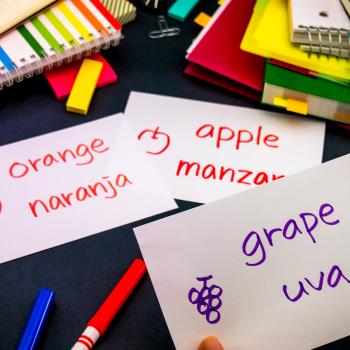
Let's Read It Again: Comprehension Strategies for English-Language Learners
Help Spanish-speaking English-language learners unlock the mysteries of their new language by using a bilingual book to recognize unfamiliar words and construct meaning from the text.
Whole-to-Parts Phonics Instruction: Teaching Letter-Sound Correspondences
Grades
K - 2
|
Lesson Plan
|
Standard Lesson
Whole-to-Parts Phonics Instruction: Teaching Letter-Sound Correspondences
Students will find that learning onset and rime is a handy skill when they read the Jack and Jill rhyme.

Poetry Portfolios: Using Poetry to Teach Reading
Grades
K - 2
|
Lesson Plan
|
Standard Lesson
Poetry Portfolios: Using Poetry to Teach Reading
Teach your students about sentence structure, rhyming words, sight words, vocabulary, and print concepts using a weekly poem.
Word Recognition Strategies Using Nursery Rhymes
Grades
K - 2
|
Lesson Plan
|
Standard Lesson
Word Recognition Strategies Using Nursery Rhymes
Whether you sing or recite familiar nursery rhymes in this standard lesson, students will learn how to create and categorize words that have similar endings.

Explore Resources by Grade

  • KindergartenK
  • 1-2
  • 3-4
  • 5-6
  • 7-8
  • 9-10
  • 11-12

RWT-logo

Powered By NCTE

Footer 1 Menu

  • About
  • Classroom Resources
  • Professional Development
  • Collections
  • Contact Us

Footer 2 Menu

  • National Council of Teachers of English
  • Contribute to RWT
  • FAQs
  • Join NCTE

Footer 3 Menu

  • Legal Notices
  • Privacy Policy
  • Promotional Materials
  • Site Demonstrations

Want to stay in touch with RWT and NCTE? Sign up here!

  • Facebook
  • Twitter
  • Instagram
  • Pinterest
  • YouTube

© NCTE 2026. All rights reserved