ReadWriteThink - Powered by NCTE
  • About
  • Classroom Resources
    • Lesson Plans
    • Teaching Comics
    • Teaching With Primary Resources
    • Calendar
    • Printouts
    • Student Interactives
  • Collections
    • Assessment
    • Authors
    • Booklists
    • Media Literacy
    • Poetry
    • Primary Sources
    • Writing
  • Professional Development
    • Strategy Guides
    • Professional Library
    • Meetings & Events
  • Join NCTE
  • Contact Us
  • About
  • Classroom Resources
    • Lesson Plans
    • Teaching Comics
    • Teaching With Primary Resources
    • Calendar
    • Printouts
    • Student Interactives
  • Collections
    • Assessment
    • Authors
    • Booklists
    • Media Literacy
    • Poetry
    • Primary Sources
    • Writing
  • Professional Development
    • Strategy Guides
    • Professional Library
    • Meetings & Events
  • Join NCTE
  • Contact Us
  • Facebook
  • Twitter
  • Instagram
  • Pinterest
  • YouTube

Breadcrumb

  1. Home

Type

  • Classroom Resources
  • Professional Development

Grades

  • 2 (308)
  • 3 (508)
  • 4 (525)
  • 5 (603)
  • 6 (735)
  • 7 (750)
  • 8 (780)
  • 10 (767)
  • 11 (754)
  • 12 (751)
  • K (262)
  • (-) 1 (298)
  • (-) 9 (787)

Learning Objectives

  • collaboration (257)
  • Comprehension (290)
  • critical thinking (437)
  • digital literacy (89)
  • Grammar (29)
  • inquiry / research (209)
  • listening (122)
  • literary analysis (232)
  • Media literacy (148)
  • metacognition (212)
  • multicultural awareness (78)
  • multimodal literacy (175)
  • oral communication (144)
  • phonological awareness (51)
  • print awareness (68)
  • reading fluency (42)
  • reading genres (190)
  • Spelling (35)
  • text structure / story structure (149)
  • Vocabulary (107)
  • writing genres (237)
  • writing process (242)

Topics

  • arts
  • careers
  • community
  • drama
  • ELL
  • Family
  • fiction
  • Mathematics
  • Mobile Learning
  • nonfiction
  • poetry
  • science
  • seasons / holidays
  • social action
  • social studies / history
  • Sports
  • STEM
Name Talk: Exploring Letter-Sound Knowledge in the Primary Classroom
Grades
K - 1
|
Lesson Plan
|
Standard Lesson
Name Talk: Exploring Letter-Sound Knowledge in the Primary Classroom
Students demonstrate their letter/sound knowledge by working with name cards and sharing observations about their classmates' names, giving teachers an opportunity to assess knowledge in a meaningful context.
Fairy Tale Autobiographies
Grades
5 - 9
|
Lesson Plan
|
Standard Lesson
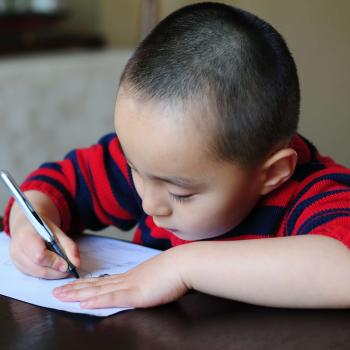
Fairy Tale Autobiographies
Students read and analyze fairy tales from several cultures, identifying common elements. Choosing common situations, students write original fairy tales, using picture books as models and a peer review process.

Reading Movies and TV: Learning the "Language" of Moving-Image Texts
Grades
5 - 12
|
Lesson Plan
|
Minilesson
Reading Movies and TV: Learning the "Language" of Moving-Image Texts
Introduce students to the idea that movies and TV have their own language and grammar, which gives them special ways of telling their stories.

Create a Great Future: STEM Career Research Using Close Reading
Grades
6 - 12
|
Lesson Plan
|
Minilesson
Create a Great Future: STEM Career Research Using Close Reading
What if students could see the relevance of their school curriculum to real-world, interesting, STEM-related careers? Let's help them create a great future!

Amelia Bedelia Up Close! Closely Reading a Classic Story
Grades
1 - 2
|
Lesson Plan
|
Standard Lesson
Amelia Bedelia Up Close! Closely Reading a Classic Story
Through a close reading of Amelia Bedelia, students reread the material to discuss text-dependent questions, promoting deep thinking about the text and its characters.
Finding Solutions to Food Waste: Persuasion in a Digital World
Grades
7 - 9
|
Lesson Plan
|
Unit
Finding Solutions to Food Waste: Persuasion in a Digital World
Using various reading strategies and resources, students explore the issue of food waste. They also create persuasive arguments and blog posts examining this topic.

Tell Me Your Story: Video-Inspired Vocabulary Writing
Grades
9 - 12
|
Lesson Plan
|
Recurring Lesson
Tell Me Your Story: Video-Inspired Vocabulary Writing
Students watch a sample of artistic video clips online and respond through creative writing while using the vocabulary words they are currently studying.
Inspire Healthful Reading Using Unconventional Texts
Grades
K - 2
|
Lesson Plan
|
Minilesson
Inspire Healthful Reading Using Unconventional Texts
This minilesson encourages children to seek out and appropriately react to nutrition labels and to make healthy food choices, integrating science, math, health, and literacy.

Awareness of Alliteration: Enhancing Writing Through Mentor Texts
Grades
1
|
Lesson Plan
|
Standard Lesson
Awareness of Alliteration: Enhancing Writing Through Mentor Texts
Through this lesson, primary students strengthen their phonemic awareness while using picture books featuring alliteration as models for their own writing.
Picture Understanding! Building Comprehension in the Primary Grades With Picture Books
Grades
1 - 3
|
Lesson Plan
|
Unit
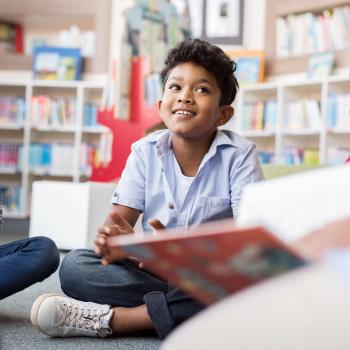
Picture Understanding! Building Comprehension in the Primary Grades With Picture Books
Students move from modeled to independent comprehension of fiction stories by using texts by Jan Brett and interactive tools that demonstrate their comprehension.

Resumes and Cover Letters for High School Students
Grades
9 - 12
|
Lesson Plan
|
Unit
Resumes and Cover Letters for High School Students

High school students are taught how to use resumes and cover letters to highlight their skills and make them stand out, whether applying to college or for a job.

Show-Me Sentences
Grades
6 - 12
|
Lesson Plan
|
Recurring Lesson
Show-Me Sentences
This lesson teaches students how to revise dull "telling" sentences into vivid, descriptive "showing" sentences.
Playlist for Holden: Character Analysis With Music and Lyrics
Grades
7 - 12
|
Lesson Plan
|
Minilesson
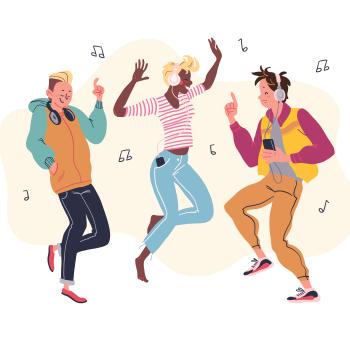
Playlist for Holden: Character Analysis With Music and Lyrics
Students compile a playlist of 10 songs representing a literary character and explain their choices based on the book's dialogue, plot, conflict, and resolution.

Engineering the Perfect Poem by Using the Vocabulary of STEM
Grades
7 - 10
|
Lesson Plan
|
Standard Lesson
Engineering the Perfect Poem by Using the Vocabulary of STEM

Students research engineering careers and create poetry to understand the vocabulary of STEM (science, technology, engineering, and mathematics).

Creating an Online Community Through Electronic Portfolios
Grades
9 - 12
|
Lesson Plan
|
Recurring Lesson
Creating an Online Community Through Electronic Portfolios
Students publish their work in an electronic portfolio, which enables them to respond to each other's content online.

e-Book Reading and Response: Innovative Ways to Engage with Texts
Grades
5 - 12
|
Lesson Plan
|
Standard Lesson
e-Book Reading and Response: Innovative Ways to Engage with Texts
Students in grades 5 through 12 read and respond to electronic books by using e-book tools and features, including digital note-taking capabilities.
Using American Sign Language to Improve Comprehension and Vocabulary
Grades
1 - 3
|
Lesson Plan
|
Standard Lesson
Using American Sign Language to Improve Comprehension and Vocabulary
American Sign Language is combined with the hilarious poetry and pictures of Sam's Sandwich, a lift-the-flap book, to engage all types of learners in acquiring key vocabulary.

Rain, Ice, Steam: Using Reading to Support Inquiry About the Water Cycle
Grades
K - 2
|
Lesson Plan
|
Unit
Rain, Ice, Steam: Using Reading to Support Inquiry About the Water Cycle
Water is always moving in a continuous cycle from liquid to solid to gas and back again. Students study this never-ending cycle through shared readings, center activities, and experiments.
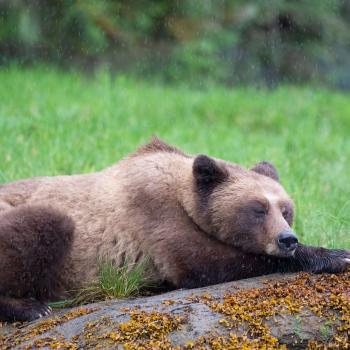
Shhh! Bear's Sleeping: Learning About Nonfiction and Fiction Using Read-Alouds
Grades
K - 2
|
Lesson Plan
|
Standard Lesson
Shhh! Bear's Sleeping: Learning About Nonfiction and Fiction Using Read-Alouds

Students explore the distinction between the fiction story Bear Snores On and the nonfiction book Every Autumn Comes the Bear.
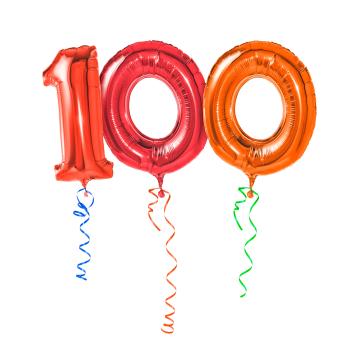
Descriptive Writing and the 100th Day of School
Grades
K - 2
|
Lesson Plan
|
Standard Lesson
Descriptive Writing and the 100th Day of School
Students write descriptions of 100th day bottles they create at home, write clues about their bottles for a guessing game, practice descriptive writing, and create a class book.

Pagination

  • First page « First
  • Previous page ‹‹
  • …
  • Page 29
  • Page 30
  • Page 31
  • Page 32
  • Page 33
  • Page 34
  • Page 35
  • Page 36
  • Page 37
  • …
  • Next page ››
  • Last page Last »

Explore Resources by Grade

  • KindergartenK
  • 1-2
  • 3-4
  • 5-6
  • 7-8
  • 9-10
  • 11-12

RWT-logo

Powered By NCTE

Footer 1 Menu

  • About
  • Classroom Resources
  • Professional Development
  • Collections
  • Contact Us

Footer 2 Menu

  • National Council of Teachers of English
  • Contribute to RWT
  • FAQs
  • Join NCTE

Footer 3 Menu

  • Legal Notices
  • Privacy Policy
  • Promotional Materials
  • Site Demonstrations

Want to stay in touch with RWT and NCTE? Sign up here!

  • Facebook
  • Twitter
  • Instagram
  • Pinterest
  • YouTube

© NCTE 2026. All rights reserved