Students create a soundtrack for a novel that they have read, as they engage in such traditional reading strategies as predicting, visualizing, and questioning.

On a Musical Note: Exploring Reading Strategies by Creating a Soundtrack

You Know the Movie is Coming—Now What?
In this lesson, students read a literary text with the eye of a director, selecting scenes from the text and putting a cinematic spin on them.

Once Upon a Time Rethought: Writing Fractured Fairy Tales
Students read and analyze fairy tales, identifying their common elements. They then write their own "fractured" fairy tales by changing one of the literary elements found in the original.

Opening the Door for Reading: Sharing Favorite Texts to Build Community
In this lesson, students build classroom community by exploring environmental print and a teacher-created display that focuses on a favorite book. They then create and share their own presentations.

Literature as a Jumping Off Point for Nonfiction Inquiry
Students use text sets to research a topic inspired by a fiction book they have read. A text set is a collection of multiple text genres with a single focus.
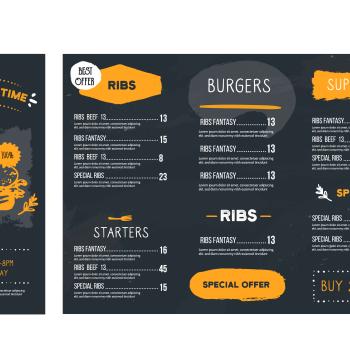
Cooking Up Descriptive Language: Designing Restaurant Menus
Students explore the menu genre by analyzing existing menus from local restaurants. They review adjectives and descriptive writing and then work in groups to create their own custom menus.

Looking at Landmarks: Using a Picture Book to Guide Research
This lesson uses Ben's Dream by Chris Van Allsburg to highlight ten major landmarks of the world. Students research the landmarks and present their findings to the class.

Question and Answer Books--From Genre Study to Report Writing
After exploring several question and answer books on a variety of topics, students research a topic and create their own class question and answer book.

Focusing Reader Response Through Vocabulary Analysis
Students suggest and categorize words that they associate with a novel they have recently read, ranging from details about the plot to feelings about a character.
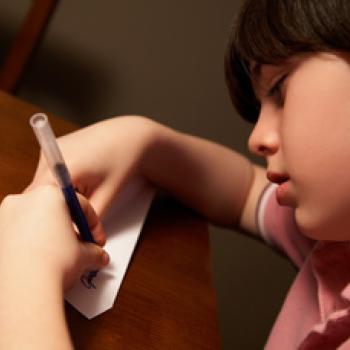
Developing Reading Plans to Support Independent Reading
Students analyze their past readings and use that knowledge to create reading plans for the future.
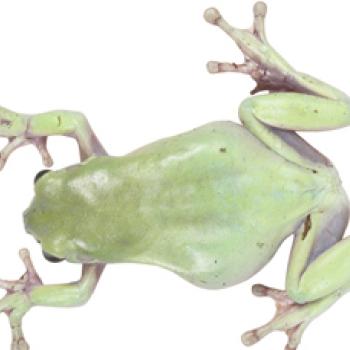
Bridging Literature and Mathematics by Visualizing Mathematical Concepts
During interactive read-aloud sessions, students identify how an author conveys mathematical information about animals' sizes and abilities. They then conduct research projects focusing on the same mathematical concepts.

Talking, Writing, and Reasoning: Making Thinking Visible with Math Journals
Students explore how their problem-solving strategies work by writing in math journals as they work in small groups to solve a math puzzle with multiple solutions.
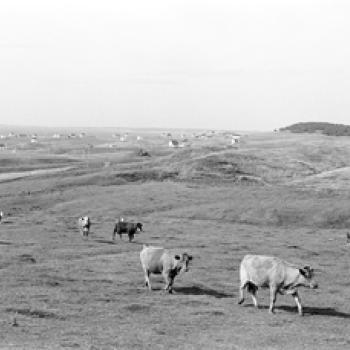
What If We Changed the Book? Problem-Posing with Sixteen Cows
After reading a piece of math-related children's literature aloud, students pose and solve new problems by asking what-if questions about the events in the story.
The History Behind Song Lyrics
Students research the items listed in the song "We Didn't Start the Fire" by Billy Joel, noting their historical relevance, and then document their findings using an online chart.
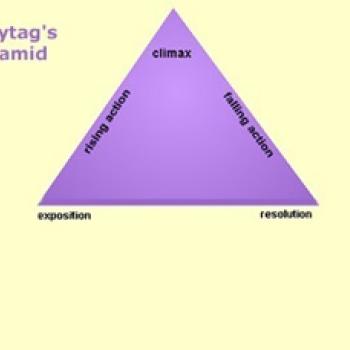
Using Picture Books to Teach Plot Development and Conflict Resolution
Students read picture books to explore the concepts of plot development and conflict resolution. They first learn about the connections between reading and writing, and then revise their own writing.

Examining Plot Conflict through a Comparison/Contrast Essay
Students explore picture books to identify the characteristics of four types of conflict. They then write about a conflict they have experienced and compare it to a conflict from literature.

Literary Characters on Trial: Combining Persuasion and Literary Analysis
Students stage a mock trial for a literary character, with groups of students acting as the prosecution, defense, and jury.
Weather Detectives: Questioning the Fact and Folklore of Weather Sayings
Students adopt a skeptical stance and become weather detectives who ask "Why?" and "Why not?" as they investigate the history and validity of some common weather sayings.

Using Snowflake Bentley as a Framing Text for Multigenre Writing
Using Snowflake Bentley as a model, students create a working definition of multigenre text and then use that definition to create their own multigenre piece about winter or another theme.

Investigating the Holocaust: A Collaborative Inquiry Project
Students explore a variety of resources as they learn about the Holocaust. Working collaboratively, they investigate the materials, prepare oral responses, and produce a topic-based newspaper to complete their research.