Could some common online activities actually improve reading comprehension? Understanding RSS feeds requires inferential thinking, as students use the summary to draw conclusions about the full content.

Using the Internet to Facilitate Improved Reading Comprehension

Cultural Connections and Writing for Change
A little understanding can go a long way. After learning about difficulties that Palestinian youths face, students will write a letter to an official discussing these issues.

Earth Verse: Using Science in Poetry
Students shape up their reading, writing, and listening skills in this lesson by creating original diamante, acrostic, and shape poems about science.

Promoting Cultural Values Through Alphabet Books
C is for Culture in this lesson in which students research a culture different from their own and compile an alphabet book that showcases cultural symbols for each letter of the alphabet.
Thoughtshots Can Bring Your Characters to Life!
Students will walk a mile in the shoes of Solomon Singer as they learn how to use flashbacks, flash-aheads, and internal dialogue to develop realistic characters.
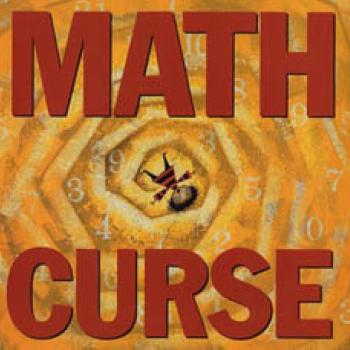
Solving the Math Curse: Reading and Writing Math Word Problems
Students' reading, writing, listening, and speaking skills add up as they decipher word problems and use what they've learned to solve a crossword puzzle.

Exploring Cost and Savings Using Children's Literature
Students make sense of dollars and cents when they study the importance of saving and budgeting in this lesson.
Descriptive Video: Using Media Technology to Enhance Writing
Students will have a roaring good time when they watch a scene from The Lion King as a way to compare standard and described programming media.
Developing Inferential Comprehension Through DL-TA and Discussion Webs
Students will love unwrapping this lesson about before, during, and after reading activities based on Margaree King Mitchell's book, Grandaddy's Gift.
Charting Characters for a More Complete Understanding of the Story
Character Perspective Charting allows students to compare multiple characters and their points of view to better understand a story.
Blending Fiction and Nonfiction to Improve Comprehension and Writing Skills
Students use a text set to increase understanding of content area material and demonstrate what they have learned by writing an original piece that blends together narrative and expository elements.

Figurative Language: Teaching Idioms
It's raining cats and dogs! Students explore figurative language through read-alouds, teacher modeling, and student-centered activities, further developing their understanding of the literal versus the metaphorical translations of idioms.
Wartime Poetry: Working With Similes
Students analyze a photograph, brainstorm words to describe the characters' senses and feelings, work in pairs to describe a character's experience, and create a poem using their ideas and similes.
Guided Comprehension: Evaluating Using the Meeting of the Minds Technique
Based on the Guided Comprehension Model developed by Maureen McLaughlin and Mary Beth Allen, this lesson introduces students to the strategy of evaluating, using the Meeting of the Minds technique.

Guided Comprehension: Knowing How Words Work Using Semantic Feature Analysis
Based on the Guided Comprehension Model developed by Maureen McLaughlin and Mary Beth Allen, this lesson introduces students to the comprehension strategy of knowing how words work.

Guided Comprehension: Summarizing Using the QuIP Strategy
Students learn to use the QuIP (questions into paragraphs) comprehension strategy to organize information and then synthesize it in writing.

Guided Comprehension: Monitoring Using the INSERT Technique
Based on the Guided Comprehension Model developed by Maureen McLaughlin and Mary Beth Allen, this lesson introduces students to the comprehension strategy of monitoring.

Guided Comprehension: Visualizing Using the Sketch-to-Stretch Strategy
Guided comprehension moves your middle-grade students beyond decoding to become successful, independent readers. The sketch-to-stretch strategy encourages students to use "brain TV" to help them understand a text through visualization.

Guided Comprehension: Self-Questioning Using Question-Answer Relationships
Guided comprehension moves your students beyond decoding to become independent readers. Generating questions to guide reading helps readers make connections with the text and supports independent comprehension of new texts.

Guided Comprehension: Previewing Using an Anticipation Guide
Based on the Guided Comprehension Model developed by Maureen McLaughlin and Mary Beth Allen, this lesson introduces students to the comprehension strategy of previewing.