ReadWriteThink - Powered by NCTE
  • About
  • Classroom Resources
    • Lesson Plans
    • Teaching Comics
    • Teaching With Primary Resources
    • Calendar
    • Printouts
    • Student Interactives
  • Collections
    • Assessment
    • Authors
    • Booklists
    • Media Literacy
    • Poetry
    • Primary Sources
    • Writing
  • Professional Development
    • Strategy Guides
    • Professional Library
    • Meetings & Events
  • Join NCTE
  • Contact Us
  • About
  • Classroom Resources
    • Lesson Plans
    • Teaching Comics
    • Teaching With Primary Resources
    • Calendar
    • Printouts
    • Student Interactives
  • Collections
    • Assessment
    • Authors
    • Booklists
    • Media Literacy
    • Poetry
    • Primary Sources
    • Writing
  • Professional Development
    • Strategy Guides
    • Professional Library
    • Meetings & Events
  • Join NCTE
  • Contact Us
  • Facebook
  • Twitter
  • Instagram
  • Pinterest
  • YouTube

Breadcrumb

  1. Home

Type

  • Classroom Resources
  • Professional Development

Grades

  • 1 (15)
  • 2 (16)
  • 5 (34)
  • 6 (36)
  • 7 (36)
  • 8 (39)
  • 9 (42)
  • 10 (41)
  • 11 (38)
  • 12 (38)
  • K (15)
  • (-) 4 (28)

Learning Objectives

  • (-) writing process (28)
  • collaboration (37)
  • Comprehension (47)
  • critical thinking (48)
  • digital literacy (13)
  • Grammar (2)
  • inquiry / research (49)
  • listening (17)
  • literary analysis (17)
  • Media literacy (14)
  • metacognition (29)
  • multicultural awareness (8)
  • multimodal literacy (11)
  • oral communication (19)
  • phonological awareness (2)
  • print awareness (12)
  • reading fluency (3)
  • reading genres (19)
  • Spelling (2)
  • text structure / story structure (25)
  • Vocabulary (19)
  • writing genres (23)

Topics

  • (-) nonfiction
  • arts
  • careers
  • community
  • drama
  • ELL
  • Family
  • fiction
  • Mathematics
  • Mobile Learning
  • poetry
  • science
  • seasons / holidays
  • social action
  • social studies / history
  • Sports
  • STEM
Prompting Revision through Modeling and Written Conversations
Grades
3 - 5
|
Lesson Plan
|
Standard Lesson
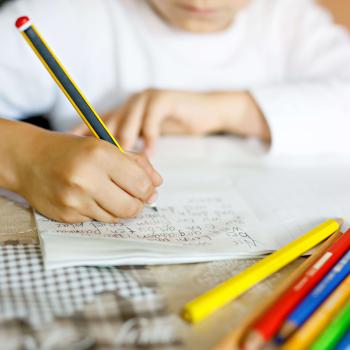
Prompting Revision through Modeling and Written Conversations
Students create a checklist outlining what effective writers do, revise his or her own writing, and engage in a written conversation to help peers with the revision process.
Literature as a Jumping Off Point for Nonfiction Inquiry
Grades
3 - 5
|
Lesson Plan
|
Unit
Literature as a Jumping Off Point for Nonfiction Inquiry
Students use text sets to research a topic inspired by a fiction book they have read. A text set is a collection of multiple text genres with a single focus.
Grades
3 - 5
|
Lesson Plan
|
Standard Lesson
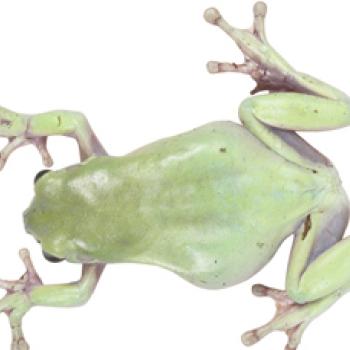
Bridging Literature and Mathematics by Visualizing Mathematical Concepts
During interactive read-aloud sessions, students identify how an author conveys mathematical information about animals' sizes and abilities. They then conduct research projects focusing on the same mathematical concepts.

Grades
3 - 5
|
Lesson Plan
|
Standard Lesson
Weather Detectives: Questioning the Fact and Folklore of Weather Sayings
Students adopt a skeptical stance and become weather detectives who ask "Why?" and "Why not?" as they investigate the history and validity of some common weather sayings.
Research Building Blocks: "Cite Those Sources!"
Grades
3 - 5
|
Lesson Plan
|
Standard Lesson
Research Building Blocks: "Cite Those Sources!"
Students learn the importance of crediting others for their words and ideas, and then learn the paraphrasing and citation skills necessary to avoid plagiarism.

Research Building Blocks: Notes, Quotes, and Fact Fragments
Grades
3 - 5
|
Lesson Plan
|
Minilesson
Research Building Blocks: Notes, Quotes, and Fact Fragments
Students are guided through the process of taking notes while reading factual information, then turning those notes into new sentences and paragraphs written in their own words.
How Big Are <em>Martin's Big Words</em>? Thinking Big about the Future
Grades
3 - 5
|
Lesson Plan
|
Minilesson
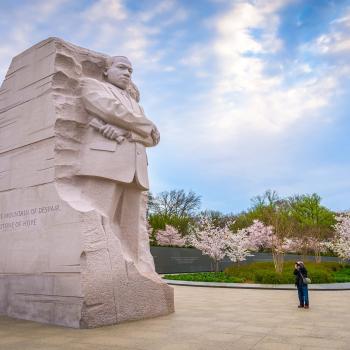
How Big Are Martin's Big Words? Thinking Big about the Future

Inspired by the book Martin's Big Words, students explore information on Dr. King to think about his "big" words, then they write about their own "big" words and dreams.
Writing and Assessing an Autobiographical Incident
Grades
3 - 5
|
Lesson Plan
|
Unit
Writing and Assessing an Autobiographical Incident
Students build upon their knowledge of biographies to write their own autobiographical incident. After going through a process of revision, they use a rubric to assess their work.
Stapleless Book
Grades
K - 12
|
Student Interactive
|
Writing & Publishing Prose
Stapleless Book

The Stapleless Book can be used for taking notes while reading, making picture books, collecting facts, or creating vocabulary booklets . . . the possibilities are endless!

Inquiry Charts (I-Charts)
Grades
Grades
3 - 12
|
Strategy Guide
Inquiry Charts (I-Charts)
This guide introduces I-Charts, a strategy that enables students to generate meaningful questions about a topic and organize their writing.
A Musical Prompt: Postcards From the Concert
Grades
3 - 5
|
Lesson Plan
|
Standard Lesson
A Musical Prompt: Postcards From the Concert
Students won't miss a beat in this musical lesson that combines listening with personal response on a postcard.

Grades
3 - 5
|
Lesson Plan
|
Standard Lesson
Blending Fiction and Nonfiction to Improve Comprehension and Writing Skills
Students use a text set to increase understanding of content area material and demonstrate what they have learned by writing an original piece that blends together narrative and expository elements.

<i>The Houdini Box</i>: What Did Houdini Hide? Writing Creative Endings
Grades
3 - 6
|
Lesson Plan
|
Standard Lesson
The Houdini Box: What Did Houdini Hide? Writing Creative Endings

Students are encouraged to understand a book that the teacher reads aloud to create a new ending for it using the writing process.

Loaded Words: Vocabulary That Packs a Punch in Persuasive Writing
Grades
4 - 8
|
Lesson Plan
|
Minilesson
Loaded Words: Vocabulary That Packs a Punch in Persuasive Writing
In this minilesson, students practice identifying and purposefully using vocabulary in persuasive writing that is intended to have an emotional impact on the reader.

Creating a Feast for the Senses With Mentor Texts
Grades
3 - 6
|
Lesson Plan
|
Minilesson
Creating a Feast for the Senses With Mentor Texts
This lesson teaches intermediate students to "use the experts" to learn how to revise to create sharp, sensory-rich experiences for their readers.

Using Word Storms to Explore Vocabulary and Encourage Critical Thinking
Grades
3 - 5
|
Lesson Plan
|
Recurring Lesson
Using Word Storms to Explore Vocabulary and Encourage Critical Thinking
Students learn that dogs are more than just pets in this lesson, which teaches them to use research and vocabulary-acquisition strategies to learn and write about working dogs.
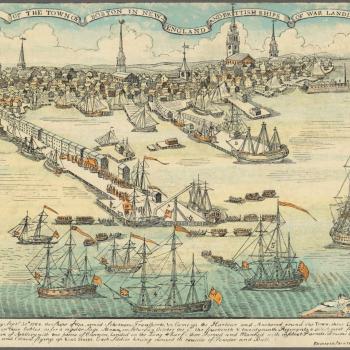
Learning About Research and Writing Using the American Revolution
Grades
3 - 5
|
Lesson Plan
|
Unit
Learning About Research and Writing Using the American Revolution
Students across the board will get a kick out of researching a historical figure from the American Revolution to create an acrostic poem.

How-To Writing: Motivating Students to Write for a Real Purpose
Grades
3 - 5
|
Lesson Plan
|
Standard Lesson
How-To Writing: Motivating Students to Write for a Real Purpose

It's not easy surviving fourth grade (or third or fifth)! In this lesson, students brainstorm survival tips for future fourth graders and incorporate those tips into an essay.
Traveling Terrain: Comprehending Nonfiction Text on the Web
Grades
3 - 5
|
Lesson Plan
|
Standard Lesson
Traveling Terrain: Comprehending Nonfiction Text on the Web
Students locate specific information, identify text features of nonfiction text, and write to generalize information on related topics.
Once They're Hooked, Reel Them In: Writing Good Endings
Grades
3 - 5
|
Lesson Plan
|
Standard Lesson
Once They're Hooked, Reel Them In: Writing Good Endings
It's important to "hook" readers at a story's beginning, but it's equally important to keep them interested. In this lesson, students learn to write effective conclusions to their own stories.

Pagination

  • Page 1
  • Page 2
  • Next page ››
  • Last page Last »

Explore Resources by Grade

  • KindergartenK
  • 1-2
  • 3-4
  • 5-6
  • 7-8
  • 9-10
  • 11-12

RWT-logo

Powered By NCTE

Footer 1 Menu

  • About
  • Classroom Resources
  • Professional Development
  • Collections
  • Contact Us

Footer 2 Menu

  • National Council of Teachers of English
  • Contribute to RWT
  • FAQs
  • Join NCTE

Footer 3 Menu

  • Legal Notices
  • Privacy Policy
  • Promotional Materials
  • Site Demonstrations

Want to stay in touch with RWT and NCTE? Sign up here!

  • Facebook
  • Twitter
  • Instagram
  • Pinterest
  • YouTube

© NCTE 2026. All rights reserved