The Compare & Contrast Map is an interactive graphic organizer that enables students to organize and outline their ideas for different kinds of comparison essays.
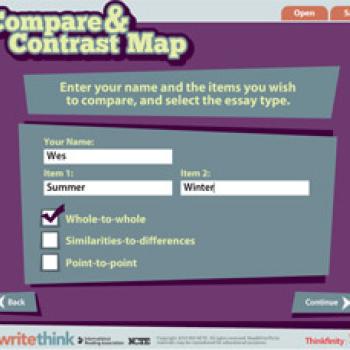
Compare & Contrast Map
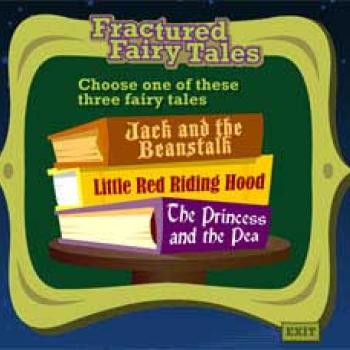
Fractured Fairy Tales
The Fractured Fairy Tale tool encourages students to create their own fractured fairy tales.
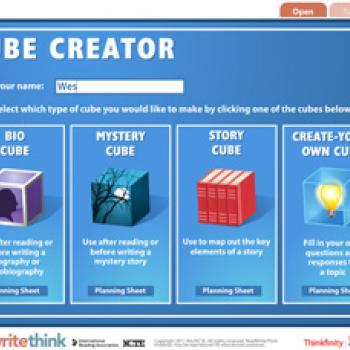
Bio Cube
Bio Cube is a useful summarizing tool that helps students identify and list key elements about a person for a biography or autobiography.
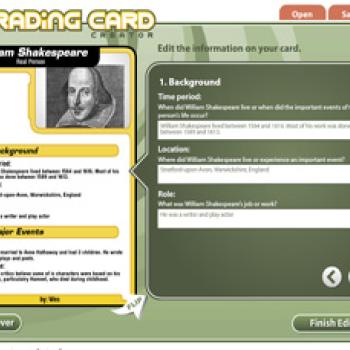
Trading Card Creator
This tool provides a fun and useful way to explore a variety of topics such as a character in a book, a person or place from history, or even a physical object. An excellent tool to for summarizing or as a prewriting exercise for original stories.

Connection Web
Students use this printout to expand on connections they have made to a text and use those details to write essays or create projects about the text.
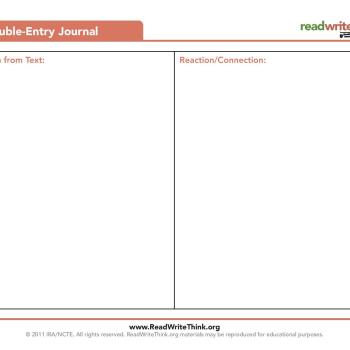
Double-Entry Journal
This printout helps students record ideas and situations from texts in one column, and their reactions in the second, thus making a connection between the text and themselves, another text, or the world.
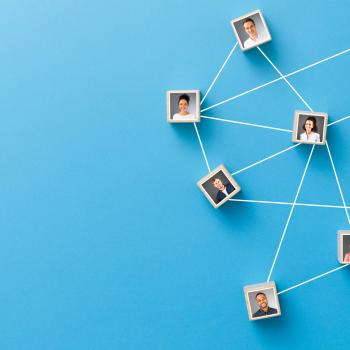
Making Connections
In this strategy guide, you'll learn to model how students can make three different kinds of connections (text-to-text, text-to-self, text-to-world). Students then use this knowledge to find their own personal connections to a text.
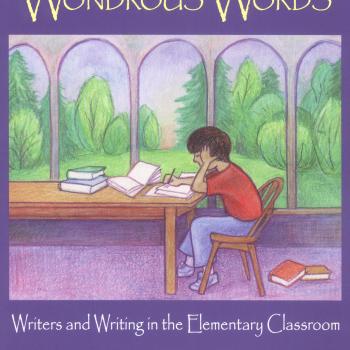
Wondrous Words: Writers and Writing in the Elementary Classroom
Katie Wood Ray explains in practical terms the theoretical underpinnings of how elementary and middle school students learn to write from their reading.

Exchanging Ideas by Sharing Journals: Interactive Response in the Classroom
Pairs of students respond to literature alternately in shared journals. Mini-lessons are presented on responding to prompts, creating dialogue, adding drawings, and asking and answering questions.

Thoughtshots Can Bring Your Characters to Life!
Students will walk a mile in the shoes of Solomon Singer as they learn how to use flashbacks, flash-aheads, and internal dialogue to develop realistic characters.
Make a Splash! Using Dramatic Experience to "Explode the Moment"
Students will have a blast as they use descriptive language to write about an "explosive" and dramatic moment in their lives.
Descriptive Video: Using Media Technology to Enhance Writing
Students will have a roaring good time when they watch a scene from The Lion King as a way to compare standard and described programming media.
The Solution Square: Strategies for Conflict Resolution
Students will square up a conflict and learn how to effectively resolve any issues using a Solution Square.
Developing Inferential Comprehension Through DL-TA and Discussion Webs
Students will love unwrapping this lesson about before, during, and after reading activities based on Margaree King Mitchell's book, Grandaddy's Gift.
Charting Characters for a More Complete Understanding of the Story
Character Perspective Charting allows students to compare multiple characters and their points of view to better understand a story.
Guided Comprehension: Evaluating Using the Meeting of the Minds Technique
Based on the Guided Comprehension Model developed by Maureen McLaughlin and Mary Beth Allen, this lesson introduces students to the strategy of evaluating, using the Meeting of the Minds technique.

Guided Comprehension: Knowing How Words Work Using Semantic Feature Analysis
Based on the Guided Comprehension Model developed by Maureen McLaughlin and Mary Beth Allen, this lesson introduces students to the comprehension strategy of knowing how words work.
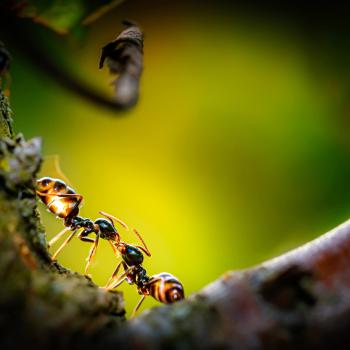
Teaching Point of View With Two Bad Ants
Students will be crawling all over this assignment when they use illustrations and text to learn about life from a bug's point of view.

Developing Students' Critical Thinking Skills Through Whole-Class Dialogue
"That's my position and I'm sticking to it!" After reading about the Korean War, students will take a position in response to an open-ended question, support their position, and evaluate that support.

Sequencing: A Strategy to Succeed at Reading Comprehension
Did Paul Bunyan gouge out the Grand Canyon before or after he dug the Great Lakes? Students create a life-sized timeline showing the sequence of events in this tall tale.