Students practice writing detailed, sensory-rich descriptions by framing a small piece of nature and freewriting about it. From this minilesson, students can develop a variety of types of writing.

Creative Writing in the Natural World: A Framing

Literature as a Jumping Off Point for Nonfiction Inquiry
Students use text sets to research a topic inspired by a fiction book they have read. A text set is a collection of multiple text genres with a single focus.
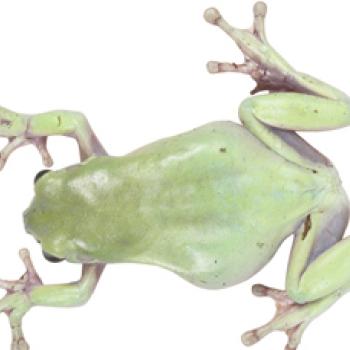
Bridging Literature and Mathematics by Visualizing Mathematical Concepts
During interactive read-aloud sessions, students identify how an author conveys mathematical information about animals' sizes and abilities. They then conduct research projects focusing on the same mathematical concepts.

Talking, Writing, and Reasoning: Making Thinking Visible with Math Journals
Students explore how their problem-solving strategies work by writing in math journals as they work in small groups to solve a math puzzle with multiple solutions.
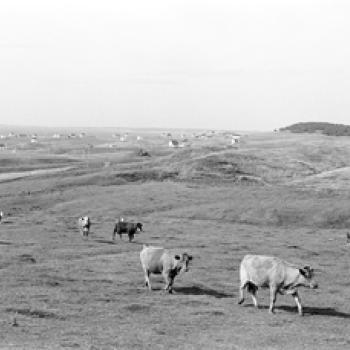
What If We Changed the Book? Problem-Posing with Sixteen Cows
After reading a piece of math-related children's literature aloud, students pose and solve new problems by asking what-if questions about the events in the story.

Weather Detectives: Questioning the Fact and Folklore of Weather Sayings
Students adopt a skeptical stance and become weather detectives who ask "Why?" and "Why not?" as they investigate the history and validity of some common weather sayings.

Webcams in the Classroom: Animal Inquiry and Observation
Students observe animals using one of the many webcams broadcasting from zoos and aquariums around the United States and the world, with a focus on observation, discussion, questioning, and research.

Glogging About Natural Disasters
After researching various natural disasters, students share their findings with each other using glogs, or through poster presentations.

Writing Acrostic Poems with Thematically Related Texts in the Content Areas
Students read thematically related texts, scaffolded from simple to complex, to help them gather necessary concept vocabulary and background knowledge in a content area. They then write acrostic poems to organize and present their learning in a creative way.

Learning about Clouds with Haikus
Using a mobile app or Interactive activity, students write haikus describing various types of clouds that they have studied.

A-B-C: It's Easy as 1-2-3 to Make Math Alphabet Books
Using the Alphabet Organizer app, students create alphabet books to review math terms.
Quantitative Civic Reasoning: A Guide for Centering Civic Innovation in Math and English Language Arts Classrooms
This guide explores quantitative civic reasoning in English and math classrooms.
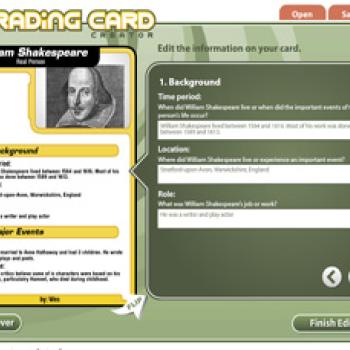
Trading Card Creator
This tool provides a fun and useful way to explore a variety of topics such as a character in a book, a person or place from history, or even a physical object. An excellent tool to for summarizing or as a prewriting exercise for original stories.
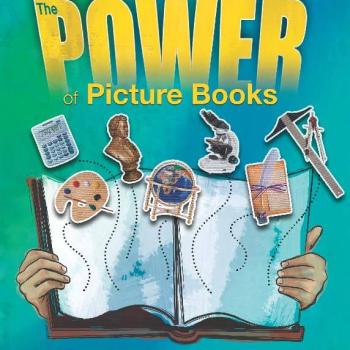
Power of Picture Books, The: Using Content Area Literature in Middle School
Featuring descriptions and activities for fifty exceptional titles, Mary Jo Fresch and Peggy Harkins offer a wealth of ideas for harnessing the power of picture books to improve reading and writing in the content areas.
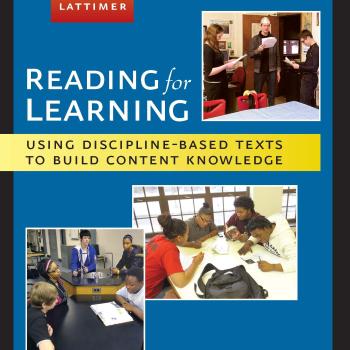
Reading for Learning: Using Discipline-Based Texts to Build Content Knowledge
Heather Lattimer provides practical, classroom-tested approaches to helping students access and critically respond to content-based texts.

RAFT Writing Template
Students can utilize this printout to organize their writing as they learn to use the RAFT strategy. This printout enables students to clearly define their role, audience, format, and topic for writing.

Seed Discussion Organizer
Students can utilize this printout to organize their thoughts as a new concept or content is introduced through a Seed Discussion. This printout readies students to acquire new knowledge by organizing what they know and what they're prepared to learn.

Introducing New Content with Seed Discussions
In this strategy guide, you'll learn how to elicit ideas and conversation about new concepts or content by effectively holding a Seed Discussion in your classroom.

Brainstorming and Reviewing Using the Carousel Strategy
This strategy guide introduces Carousel Brainstorming, also known as Rotating Review, and offers suggestions to implement this technique in your classroom for brainstorming about new topics or reviewing learned information.
Developing Academic Vocabulary
In this Strategy Guide Series, you'll find creative and compatible ways to build, maintain, and extend students' vocabulary across academic disciplines.