ReadWriteThink - Powered by NCTE
  • About
  • Classroom Resources
    • Lesson Plans
    • Teaching Comics
    • Teaching With Primary Resources
    • Calendar
    • Printouts
    • Student Interactives
  • Collections
    • Assessment
    • Authors
    • Booklists
    • Media Literacy
    • Poetry
    • Primary Sources
    • Writing
  • Professional Development
    • Strategy Guides
    • Professional Library
    • Meetings & Events
  • Join NCTE
  • Contact Us
  • About
  • Classroom Resources
    • Lesson Plans
    • Teaching Comics
    • Teaching With Primary Resources
    • Calendar
    • Printouts
    • Student Interactives
  • Collections
    • Assessment
    • Authors
    • Booklists
    • Media Literacy
    • Poetry
    • Primary Sources
    • Writing
  • Professional Development
    • Strategy Guides
    • Professional Library
    • Meetings & Events
  • Join NCTE
  • Contact Us
  • Facebook
  • Twitter
  • Instagram
  • Pinterest
  • YouTube

Breadcrumb

  1. Home

Type

  • (-) Lesson Plan
    • Minilesson
    • Standard Lesson
    • Unit

Grades

  • 1 (3)
  • 2 (5)
  • 3 (4)
  • 4 (5)
  • 6 (13)
  • 7 (13)
  • 8 (14)
  • 9 (22)
  • 10 (21)
  • 11 (21)
  • 12 (21)
  • K (2)
  • (-) 5 (7)

Learning Objectives

  • collaboration (4)
  • Comprehension (2)
  • critical thinking (3)
  • Grammar (1)
  • inquiry / research (1)
  • listening (3)
  • literary analysis (1)
  • Media literacy (3)
  • metacognition (4)
  • multicultural awareness (1)
  • multimodal literacy (4)
  • oral communication (4)
  • phonological awareness (1)
  • print awareness (1)
  • reading fluency (2)
  • reading genres (1)
  • Spelling (1)
  • text structure / story structure (2)
  • Vocabulary (2)
  • writing genres (3)
  • writing process (4)

Topics

  • (-) drama
  • arts
  • careers
  • community
  • ELL
  • Family
  • fiction
  • Mathematics
  • Mobile Learning
  • nonfiction
  • poetry
  • science
  • social action
  • social studies / history
  • Sports
  • STEM
<em>The Mysteries of Harris Burdick</em>: Using Illustrations to Guide Writing
Grades
5 - 9
|
Lesson Plan
|
Standard Lesson
The Mysteries of Harris Burdick: Using Illustrations to Guide Writing
Students use illustrations from The Mysteries of Harris Burdick as a guide to write mysteries and then present their stories to the class for students to discuss to which illustration each story corresponds.

Audience & Purpose: Evaluating Disney's Changes to the Hercules Myth
Grades
5 - 8
|
Lesson Plan
|
Standard Lesson
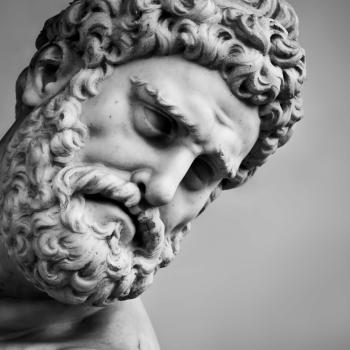
Audience & Purpose: Evaluating Disney's Changes to the Hercules Myth
What drives changes to classic myths and fables? In this lesson students evaluate the changes Disney made to the myth of "Hercules" in order to achieve their audience and purpose.
Grades
3 - 5
|
Lesson Plan
|
Minilesson
To, Too, or Two: Developing an Understanding of Homophones
The classroom becomes a stage in this interactive lesson in which students sing, act, and design comic strips to learn the meanings and spellings of common homophones.

Grades
4 - 8
|
Lesson Plan
|
Standard Lesson
Using Word Webs to Teach Synonyms for Commonly Used Words
Students use word webs to choose synonyms for generic adjectives and to learn to adjust their word usage for different contexts.

Reading Movies and TV: Learning the "Language" of Moving-Image Texts
Grades
5 - 12
|
Lesson Plan
|
Minilesson
Reading Movies and TV: Learning the "Language" of Moving-Image Texts
Introduce students to the idea that movies and TV have their own language and grammar, which gives them special ways of telling their stories.
Writing a Movie: Summarizing and Rereading a Film Script
Grades
3 - 5
|
Lesson Plan
|
Standard Lesson
Writing a Movie: Summarizing and Rereading a Film Script
Lights! Camera! Action! In this lesson, students view a scene with no dialogue from E.T., write a script for that scene, and perform a dramatic reading while the scene plays.
History Comes Alive: Developing Fluency and Comprehension Using Social Studies
Grades
2 - 5
|
Lesson Plan
|
Unit
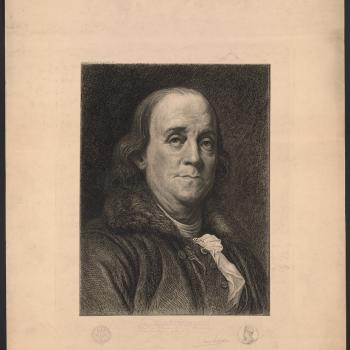
History Comes Alive: Developing Fluency and Comprehension Using Social Studies
Let the power of imagination and inference serve as a "time machine" to bring Benjamin Franklin into the classroom! History and science come to life in a dialogue with Franklin the inventor, developed through lesson activities that incorporate research, imagination, writing, visual arts, and drama.

Explore Resources by Grade

  • KindergartenK
  • 1-2
  • 3-4
  • 5-6
  • 7-8
  • 9-10
  • 11-12

RWT-logo

Powered By NCTE

Footer 1 Menu

  • About
  • Classroom Resources
  • Professional Development
  • Collections
  • Contact Us

Footer 2 Menu

  • National Council of Teachers of English
  • Contribute to RWT
  • FAQs
  • Join NCTE

Footer 3 Menu

  • Legal Notices
  • Privacy Policy
  • Promotional Materials
  • Site Demonstrations

Want to stay in touch with RWT and NCTE? Sign up here!

  • Facebook
  • Twitter
  • Instagram
  • Pinterest
  • YouTube

© NCTE 2026. All rights reserved