In the world of young adult literature, some of today's best and most powerful stories are being told by authors of nonfiction. Tune in to hear Candace Fleming discuss the origins of The Family Romanov, research as a process of questioning, and how authors of nonfiction are pushing the envelope in books for today's teens.

A Conversation with Candace Fleming

#weneeddiversebooks
Even if they are few in number, diverse books do exist. Tune in to hear about recently-published YA titles that celebrate diversity in a range of genres. There's something for every reader here: comic book superheroes, Civil Rights history, love stories, humorous essays, poetry, artwork, and stories of suspense.

Talking about Text Complexity
In this episode, you'll hear about a variety of books that may deepen our thinking about complex texts, including collections of poems and works of historical fiction, graphic novels and informational texts, and novels built on interwoven storylines. Together they offer reading options for teens with diverse interests, tastes, and sensibilities.

Making Connections
In this strategy guide, you'll learn to model how students can make three different kinds of connections (text-to-text, text-to-self, text-to-world). Students then use this knowledge to find their own personal connections to a text.

Introducing New Content with Seed Discussions
In this strategy guide, you'll learn how to elicit ideas and conversation about new concepts or content by effectively holding a Seed Discussion in your classroom.

Brainstorming and Reviewing Using the Carousel Strategy
This strategy guide introduces Carousel Brainstorming, also known as Rotating Review, and offers suggestions to implement this technique in your classroom for brainstorming about new topics or reviewing learned information.

Using the Think-Pair-Share Technique
In this strategy guide, you will learn how to organize students and classroom topics to encourage a high degree of classroom participation and assist students in developing a conceptual understanding of a topic through the use of the Think-Pair-Share technique.

Using the RAFT Writing Strategy
This strategy guide introduces the RAFT technique and offers practical ideas for using this technique to teach students to experiment with various perspectives in their writing.

Socratic Seminars
This strategy guide explains Socratic seminars and offers practical methods for applying the approach in your classroom to help students investigate multiple perspectives in a text.

Using the Jigsaw Cooperative Learning Technique
In this strategy guide, you will learn how to organize students and texts to allow for learning that meets the diverse needs of students but keeps student groups flexible.

Supporting Student Comprehension in Content Area Reading
In this strategy guide, you'll learn a few simple, yet powerful, techniques to encourage students to use peer talk and writing to enhance their understanding of content area texts.

Reading with Purpose in the Content Areas
In this strategy guide, you'll learn how to organize students and instruction to establish a sense of purpose for reading authentic texts in the content areas.
Developing Academic Vocabulary
In this Strategy Guide Series, you'll find creative and compatible ways to build, maintain, and extend students' vocabulary across academic disciplines.

Reading in the Content Areas
In this Strategy Guide Series, you'll get information and ideas about teaching reading in the different content areas.
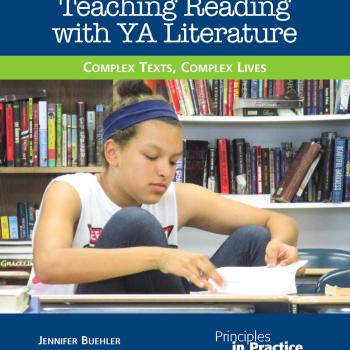
Teaching Reading with YA Literature: Complex Texts, Complex Lives
This book is designed to help teachers develop their own version of YA pedagogy and a vision for teaching YA lit in the middle and secondary classroom.

Facilitating Participation with Silent Conversations
This guide introduces silent conversations, a collaborative learning technique that has students
thinking, sharing, and reflecting about important questions—but through writing rather than talk.

Conducting Inner-Outer Circle Discussions
This guide shares the steps to take to get more students talking by dividing the group into speaking and non-speaking circles.
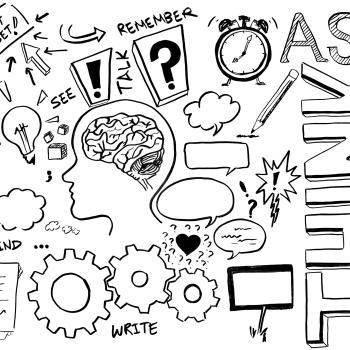
The Art of the Doodle: Writing with Imagination
Use independent, imaginative artwork and varied writing prompts to assess understanding of a given topic for a student body with differentiated needs.

Using Concept Circles to Develop Academic Vocabulary
In this guide, you will learn how to use the Concept Circles strategy to support vocabulary development and comprehension of complex text.

Using Word Walls to Develop and Maintain Academic Vocabulary
In this guide, you will learn how to use Word Walls to support vocabulary development and retention.