ReadWriteThink - Powered by NCTE
  • About
  • Classroom Resources
    • Lesson Plans
    • Teaching Comics
    • Teaching With Primary Resources
    • Calendar
    • Printouts
    • Student Interactives
  • Collections
    • Assessment
    • Authors
    • Booklists
    • Media Literacy
    • Poetry
    • Primary Sources
    • Writing
  • Professional Development
    • Strategy Guides
    • Professional Library
    • Meetings & Events
  • Join NCTE
  • Contact Us
  • About
  • Classroom Resources
    • Lesson Plans
    • Teaching Comics
    • Teaching With Primary Resources
    • Calendar
    • Printouts
    • Student Interactives
  • Collections
    • Assessment
    • Authors
    • Booklists
    • Media Literacy
    • Poetry
    • Primary Sources
    • Writing
  • Professional Development
    • Strategy Guides
    • Professional Library
    • Meetings & Events
  • Join NCTE
  • Contact Us
  • Facebook
  • Twitter
  • Instagram
  • Pinterest
  • YouTube

Breadcrumb

  1. Home

Type

  • (-) Classroom Resources
    • Calendar Activity
    • Lesson Plan
    • Printout
    • Student Interactive
    • Teaching Comics

Grades

  • 1 (220)
  • 2 (228)
  • 3 (417)
  • 4 (431)
  • 5 (483)
  • 7 (521)
  • 8 (526)
  • 9 (532)
  • 10 (525)
  • 11 (514)
  • 12 (511)
  • K (190)
  • (-) 6 (512)

Learning Objectives

  • collaboration (155)
  • Comprehension (168)
  • critical thinking (267)
  • digital literacy (66)
  • Grammar (15)
  • inquiry / research (155)
  • listening (53)
  • literary analysis (115)
  • Media literacy (90)
  • metacognition (133)
  • multicultural awareness (43)
  • multimodal literacy (109)
  • oral communication (76)
  • phonological awareness (1)
  • print awareness (28)
  • reading fluency (13)
  • reading genres (65)
  • Spelling (10)
  • text structure / story structure (81)
  • Vocabulary (65)
  • writing genres (139)
  • writing process (131)

Topics

  • arts
  • careers
  • community
  • drama
  • ELL
  • Family
  • fiction
  • Mathematics
  • Mobile Learning
  • nonfiction
  • poetry
  • science
  • seasons / holidays
  • social action
  • social studies / history
  • Sports
  • STEM
Guided Comprehension: Monitoring Using the INSERT Technique
Grades
4 - 6
|
Lesson Plan
|
Recurring Lesson
Guided Comprehension: Monitoring Using the INSERT Technique
Based on the Guided Comprehension Model developed by Maureen McLaughlin and Mary Beth Allen, this lesson introduces students to the comprehension strategy of monitoring.
Guided Comprehension: Visualizing Using the Sketch-to-Stretch Strategy
Grades
4 - 6
|
Lesson Plan
|
Recurring Lesson
Guided Comprehension: Visualizing Using the Sketch-to-Stretch Strategy
Guided comprehension moves your middle-grade students beyond decoding to become successful, independent readers. The sketch-to-stretch strategy encourages students to use "brain TV" to help them understand a text through visualization.

Guided Comprehension: Self-Questioning Using Question-Answer Relationships
Grades
3 - 6
|
Lesson Plan
|
Standard Lesson
Guided Comprehension: Self-Questioning Using Question-Answer Relationships
Guided comprehension moves your students beyond decoding to become independent readers. Generating questions to guide reading helps readers make connections with the text and supports independent comprehension of new texts.
Guided Comprehension: Previewing Using an Anticipation Guide
Grades
3 - 6
|
Lesson Plan
|
Recurring Lesson
Guided Comprehension: Previewing Using an Anticipation Guide
Based on the Guided Comprehension Model developed by Maureen McLaughlin and Mary Beth Allen, this lesson introduces students to the comprehension strategy of previewing.
Everyone Loves a Mystery: A Genre Study
Grades
6 - 8
|
Lesson Plan
|
Unit
Everyone Loves a Mystery: A Genre Study

Students track the elements of mystery stories through Directed Learning-Thinking Activities, story maps, and puzzles. Then they offer clues for other readers as they plan and write original mystery stories.

Mind Pictures: Strategies That Enhance Mental Imagery While Reading
Grades
6 - 8
|
Lesson Plan
|
Standard Lesson
Mind Pictures: Strategies That Enhance Mental Imagery While Reading
Students create mental images while reading using a three-pronged approach: developing schemata and visual awareness; Watch-Read-Watch-Read (W-R-W-R), using video clips; and a strategy similar to the think-aloud approach.

Writing Free Verse in the "Voice" of Cesar Chavez
Grades
6 - 8
|
Lesson Plan
|
Standard Lesson
Writing Free Verse in the "Voice" of Cesar Chavez
Poetry and politics combine in this lesson where students write a free verse poem in the voice of Cesar Chavez.
Astronomy Poetry: Combining Poetry With the Content Areas
Grades
6 - 8
|
Lesson Plan
|
Unit
Astronomy Poetry: Combining Poetry With the Content Areas
Students' responses to this lesson will be out of this world after they've researched astronomy to write poetry and compile a poetry book.

Thrills! Chills! Using Scary Stories to Motivate Students to Read
Grades
6 - 8
|
Lesson Plan
|
Unit
Thrills! Chills! Using Scary Stories to Motivate Students to Read
Students examine story elements through teacher read-alouds and independent reading and then use reader-response journals and graphic organizers to prepare for the creation of their own scary stories.

Reciprocal Revision: Making Peer Feedback Meaningful
Grades
6 - 8
|
Lesson Plan
|
Standard Lesson
Reciprocal Revision: Making Peer Feedback Meaningful
Interpreting art is a subjective process. In this lesson, students write written responses analyzing a work of art and use feedback from their peers to revise or confirm their initial responses.

You Can't Spell the Word <em>Prefix</em> Without a Prefix
Grades
6 - 8
|
Lesson Plan
|
Standard Lesson
You Can't Spell the Word Prefix Without a Prefix
Students explore the role of prefixes, as well as their origins and meanings, and examine how the understanding of prefixes can improve comprehension, decoding, and spelling.
Timelines and Texts: Motivating Students to Read Nonfiction
Grades
6 - 8
|
Lesson Plan
|
Standard Lesson
Timelines and Texts: Motivating Students to Read Nonfiction
In an effort to help motivate students to read nonfiction, students are challenged to use a timeline to help them name the year when certain products were invented.

Internalization of Vocabulary Through the Use of a Word Map
Grades
6 - 8
|
Lesson Plan
|
Standard Lesson
Internalization of Vocabulary Through the Use of a Word Map
Students practice with words and develop both definitional and contextual knowledge through two agents—purposeful sequencing of steps and collaboration with peers.
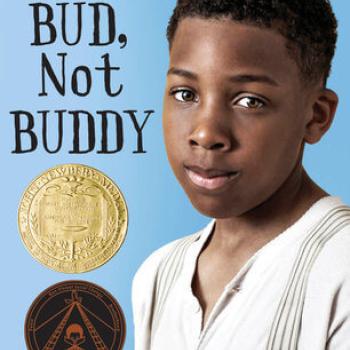
Press Conference for <em>Bud, Not Buddy</em>
Grades
6 - 8
|
Lesson Plan
|
Standard Lesson
Press Conference for Bud, Not Buddy
Students read Bud, Not Buddy by Christopher Paul Curtis, demonstrate comprehension of the story by involving themselves in discussions, and analyze the characters in preparation for a class "press conference."

Grades
6 - 8
|
Lesson Plan
|
Recurring Lesson
Choosing, Chatting, and Collecting: Vocabulary Self-Collection Strategy
Students identify interesting words from Shakespeare's plays and add them to a classroom vocabulary collection.
Creative Communication Frames: Discovering Similarities between Writing and Art
Grades
6 - 8
|
Lesson Plan
|
Standard Lesson
Creative Communication Frames: Discovering Similarities between Writing and Art
Graphic organizers assist the development of comparative vocabulary and generate discussions of analogy and metaphor in art as students go on a real or virtual tour of an art gallery.
Fairy Tale Autobiographies
Grades
5 - 9
|
Lesson Plan
|
Standard Lesson
Fairy Tale Autobiographies
Students read and analyze fairy tales from several cultures, identifying common elements. Choosing common situations, students write original fairy tales, using picture books as models and a peer review process.

Reading Movies and TV: Learning the "Language" of Moving-Image Texts
Grades
5 - 12
|
Lesson Plan
|
Minilesson
Reading Movies and TV: Learning the "Language" of Moving-Image Texts
Introduce students to the idea that movies and TV have their own language and grammar, which gives them special ways of telling their stories.

Create a Great Future: STEM Career Research Using Close Reading
Grades
6 - 12
|
Lesson Plan
|
Minilesson
Create a Great Future: STEM Career Research Using Close Reading
What if students could see the relevance of their school curriculum to real-world, interesting, STEM-related careers? Let's help them create a great future!

<i>The Houdini Box</i>: What Did Houdini Hide? Writing Creative Endings
Grades
3 - 6
|
Lesson Plan
|
Standard Lesson
The Houdini Box: What Did Houdini Hide? Writing Creative Endings

Students are encouraged to understand a book that the teacher reads aloud to create a new ending for it using the writing process.

Pagination

  • First page « First
  • Previous page ‹‹
  • …
  • Page 9
  • Page 10
  • Page 11
  • Page 12
  • Page 13
  • Page 14
  • Page 15
  • Page 16
  • Page 17
  • …
  • Next page ››
  • Last page Last »

Explore Resources by Grade

  • KindergartenK
  • 1-2
  • 3-4
  • 5-6
  • 7-8
  • 9-10
  • 11-12

RWT-logo

Powered By NCTE

Footer 1 Menu

  • About
  • Classroom Resources
  • Professional Development
  • Collections
  • Contact Us

Footer 2 Menu

  • National Council of Teachers of English
  • Contribute to RWT
  • FAQs
  • Join NCTE

Footer 3 Menu

  • Legal Notices
  • Privacy Policy
  • Promotional Materials
  • Site Demonstrations

Want to stay in touch with RWT and NCTE? Sign up here!

  • Facebook
  • Twitter
  • Instagram
  • Pinterest
  • YouTube

© NCTE 2026. All rights reserved