ReadWriteThink - Powered by NCTE
  • About
  • Classroom Resources
    • Lesson Plans
    • Teaching Comics
    • Teaching With Primary Resources
    • Calendar
    • Printouts
    • Student Interactives
  • Collections
    • Assessment
    • Authors
    • Booklists
    • Media Literacy
    • Poetry
    • Primary Sources
    • Writing
  • Professional Development
    • Strategy Guides
    • Professional Library
    • Meetings & Events
  • Join NCTE
  • Contact Us
  • About
  • Classroom Resources
    • Lesson Plans
    • Teaching Comics
    • Teaching With Primary Resources
    • Calendar
    • Printouts
    • Student Interactives
  • Collections
    • Assessment
    • Authors
    • Booklists
    • Media Literacy
    • Poetry
    • Primary Sources
    • Writing
  • Professional Development
    • Strategy Guides
    • Professional Library
    • Meetings & Events
  • Join NCTE
  • Contact Us
  • Facebook
  • Twitter
  • Instagram
  • Pinterest
  • YouTube

Breadcrumb

  1. Home

Type

  • Classroom Resources
  • Professional Development

Grades

  • 1 (298)
  • 2 (308)
  • 3 (508)
  • 4 (525)
  • 5 (603)
  • 6 (735)
  • 8 (780)
  • 9 (787)
  • 10 (767)
  • 12 (751)
  • K (262)
  • (-) 7 (750)
  • (-) 11 (754)

Learning Objectives

  • collaboration (288)
  • Comprehension (325)
  • critical thinking (508)
  • digital literacy (122)
  • Grammar (36)
  • inquiry / research (248)
  • listening (107)
  • literary analysis (282)
  • Media literacy (179)
  • metacognition (253)
  • multicultural awareness (88)
  • multimodal literacy (207)
  • oral communication (152)
  • phonological awareness (4)
  • print awareness (47)
  • reading fluency (20)
  • reading genres (208)
  • Spelling (15)
  • text structure / story structure (151)
  • Vocabulary (101)
  • writing genres (280)
  • writing process (263)

Topics

  • arts
  • careers
  • community
  • drama
  • ELL
  • Family
  • fiction
  • Mathematics
  • Mobile Learning
  • nonfiction
  • poetry
  • science
  • seasons / holidays
  • social action
  • social studies / history
  • Sports
  • STEM
Press Conference for <em>Bud, Not Buddy</em>
Grades
6 - 8
|
Lesson Plan
|
Standard Lesson
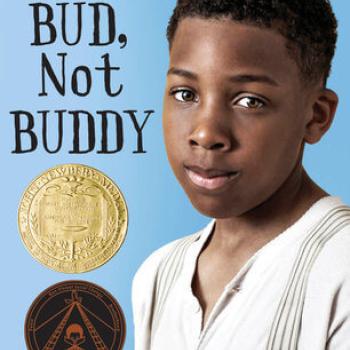
Press Conference for Bud, Not Buddy
Students read Bud, Not Buddy by Christopher Paul Curtis, demonstrate comprehension of the story by involving themselves in discussions, and analyze the characters in preparation for a class "press conference."
Grades
6 - 8
|
Lesson Plan
|
Recurring Lesson
Choosing, Chatting, and Collecting: Vocabulary Self-Collection Strategy
Students identify interesting words from Shakespeare's plays and add them to a classroom vocabulary collection.
Creative Communication Frames: Discovering Similarities between Writing and Art
Grades
6 - 8
|
Lesson Plan
|
Standard Lesson
Creative Communication Frames: Discovering Similarities between Writing and Art
Graphic organizers assist the development of comparative vocabulary and generate discussions of analogy and metaphor in art as students go on a real or virtual tour of an art gallery.
Fairy Tale Autobiographies
Grades
5 - 9
|
Lesson Plan
|
Standard Lesson
Fairy Tale Autobiographies
Students read and analyze fairy tales from several cultures, identifying common elements. Choosing common situations, students write original fairy tales, using picture books as models and a peer review process.

Reading Movies and TV: Learning the "Language" of Moving-Image Texts
Grades
5 - 12
|
Lesson Plan
|
Minilesson
Reading Movies and TV: Learning the "Language" of Moving-Image Texts
Introduce students to the idea that movies and TV have their own language and grammar, which gives them special ways of telling their stories.

Create a Great Future: STEM Career Research Using Close Reading
Grades
6 - 12
|
Lesson Plan
|
Minilesson
Create a Great Future: STEM Career Research Using Close Reading
What if students could see the relevance of their school curriculum to real-world, interesting, STEM-related careers? Let's help them create a great future!
Finding Solutions to Food Waste: Persuasion in a Digital World
Grades
7 - 9
|
Lesson Plan
|
Unit
Finding Solutions to Food Waste: Persuasion in a Digital World
Using various reading strategies and resources, students explore the issue of food waste. They also create persuasive arguments and blog posts examining this topic.

Tell Me Your Story: Video-Inspired Vocabulary Writing
Grades
9 - 12
|
Lesson Plan
|
Recurring Lesson
Tell Me Your Story: Video-Inspired Vocabulary Writing
Students watch a sample of artistic video clips online and respond through creative writing while using the vocabulary words they are currently studying.
Beyond History Books: Researching With Twin Texts and Technology
Grades
4 - 8
|
Lesson Plan
Beyond History Books: Researching With Twin Texts and Technology
Students in grades 4–8 activate prior knowledge and research information about a historic event through fiction and nonfiction literature and exploration of relevant websites.

Resumes and Cover Letters for High School Students
Grades
9 - 12
|
Lesson Plan
|
Unit
Resumes and Cover Letters for High School Students

High school students are taught how to use resumes and cover letters to highlight their skills and make them stand out, whether applying to college or for a job.

Seeking Social Justice Through Satire: Jonathan Swift's "A Modest Proposal"
Grades
10 - 12
|
Lesson Plan
|
Unit
Seeking Social Justice Through Satire: Jonathan Swift's "A Modest Proposal"
This lesson assists advanced students in grades 10–12 in comprehending Jonathan Swift's "A Modest Proposal" and developing a presentation to satirize a contemporary social issue.

Loaded Words: Vocabulary That Packs a Punch in Persuasive Writing
Grades
4 - 8
|
Lesson Plan
|
Minilesson
Loaded Words: Vocabulary That Packs a Punch in Persuasive Writing
In this minilesson, students practice identifying and purposefully using vocabulary in persuasive writing that is intended to have an emotional impact on the reader.

Show-Me Sentences
Grades
6 - 12
|
Lesson Plan
|
Recurring Lesson
Show-Me Sentences
This lesson teaches students how to revise dull "telling" sentences into vivid, descriptive "showing" sentences.

A Portrait of Our World: Making Connections and Developing Comprehension
Grades
6 - 8
|
Lesson Plan
|
Unit
A Portrait of Our World: Making Connections and Developing Comprehension

Students engage in carousel walks, character analyses, global explorations, and genre studies while using valuable language arts strategies to build higher-level comprehension skills.
Playlist for Holden: Character Analysis With Music and Lyrics
Grades
7 - 12
|
Lesson Plan
|
Minilesson
Playlist for Holden: Character Analysis With Music and Lyrics
Students compile a playlist of 10 songs representing a literary character and explain their choices based on the book's dialogue, plot, conflict, and resolution.

Engineering the Perfect Poem by Using the Vocabulary of STEM
Grades
7 - 10
|
Lesson Plan
|
Standard Lesson
Engineering the Perfect Poem by Using the Vocabulary of STEM

Students research engineering careers and create poetry to understand the vocabulary of STEM (science, technology, engineering, and mathematics).

What is Poetry? Contrasting Poetry and Prose
Grades
6 - 8
|
Lesson Plan
|
Standard Lesson
What is Poetry? Contrasting Poetry and Prose

Students often find poetry frustrating and meaningless. By helping students think critically about the differences between poetry and prose, this introduction sets the stage for different strategies for comprehending poetic texts.

Making Memories: An End-of-Year Digital Scrapbook
Grades
6 - 8
|
Lesson Plan
|
Standard Lesson
Making Memories: An End-of-Year Digital Scrapbook
Students reflect on their school year, creating a digital scrapbook consisting of images and text to present to their school community.

A Prereading Strategy: Using the Vocabulary, Language, Prediction (VLP) Approach
Grades
6 - 8
|
Lesson Plan
|
Standard Lesson
A Prereading Strategy: Using the Vocabulary, Language, Prediction (VLP) Approach
Students learn content area vocabulary and increase reading comprehension using the Vocabulary, Language, Prediction (VLP) approach.

Reading Through Different Lenses: Making Text Connections Across the Curriculum
Grades
6 - 8
|
Lesson Plan
Reading Through Different Lenses: Making Text Connections Across the Curriculum
Students learn to comprehend the linguistic text styles of different content areas and use the interactive ReadWriteThink Notetaker tool as the teacher models the exercise.

Pagination

  • First page « First
  • Previous page ‹‹
  • …
  • Page 32
  • Page 33
  • Page 34
  • Page 35
  • Page 36
  • Page 37
  • Page 38
  • Page 39
  • Page 40
  • …
  • Next page ››
  • Last page Last »

Explore Resources by Grade

  • KindergartenK
  • 1-2
  • 3-4
  • 5-6
  • 7-8
  • 9-10
  • 11-12

RWT-logo

Powered By NCTE

Footer 1 Menu

  • About
  • Classroom Resources
  • Professional Development
  • Collections
  • Contact Us

Footer 2 Menu

  • National Council of Teachers of English
  • Contribute to RWT
  • FAQs
  • Join NCTE

Footer 3 Menu

  • Legal Notices
  • Privacy Policy
  • Promotional Materials
  • Site Demonstrations

Want to stay in touch with RWT and NCTE? Sign up here!

  • Facebook
  • Twitter
  • Instagram
  • Pinterest
  • YouTube

© NCTE 2026. All rights reserved
