ReadWriteThink - Powered by NCTE
  • About
  • Classroom Resources
    • Lesson Plans
    • Teaching Comics
    • Teaching With Primary Resources
    • Calendar
    • Printouts
    • Student Interactives
  • Collections
    • Assessment
    • Authors
    • Booklists
    • Media Literacy
    • Poetry
    • Primary Sources
    • Writing
  • Professional Development
    • Strategy Guides
    • Professional Library
    • Meetings & Events
  • Join NCTE
  • Contact Us
  • About
  • Classroom Resources
    • Lesson Plans
    • Teaching Comics
    • Teaching With Primary Resources
    • Calendar
    • Printouts
    • Student Interactives
  • Collections
    • Assessment
    • Authors
    • Booklists
    • Media Literacy
    • Poetry
    • Primary Sources
    • Writing
  • Professional Development
    • Strategy Guides
    • Professional Library
    • Meetings & Events
  • Join NCTE
  • Contact Us
  • Facebook
  • Twitter
  • Instagram
  • Pinterest
  • YouTube

Breadcrumb

  1. Home

Type

  • Classroom Resources
  • Professional Development

Grades

  • 1 (86)
  • 2 (93)
  • 3 (216)
  • 4 (221)
  • 5 (270)
  • 6 (332)
  • 7 (348)
  • 9 (379)
  • 10 (375)
  • 11 (367)
  • 12 (366)
  • K (66)
  • (-) 8 (353)

Learning Objectives

  • (-) critical thinking (353)
  • collaboration (183)
  • Comprehension (224)
  • digital literacy (89)
  • Grammar (23)
  • inquiry / research (184)
  • listening (77)
  • literary analysis (146)
  • Media literacy (119)
  • metacognition (197)
  • multicultural awareness (65)
  • multimodal literacy (139)
  • oral communication (107)
  • phonological awareness (2)
  • print awareness (36)
  • reading fluency (16)
  • reading genres (145)
  • Spelling (14)
  • text structure / story structure (109)
  • Vocabulary (81)
  • writing genres (175)
  • writing process (158)

Topics

  • arts
  • careers
  • community
  • drama
  • ELL
  • Family
  • fiction
  • Mathematics
  • Mobile Learning
  • nonfiction
  • poetry
  • science
  • seasons / holidays
  • social action
  • social studies / history
  • Sports
  • STEM
Grades
5 - 12
|
Calendar Activity
|
Historical Figure & Event
Montgomery Ward published the first mail-order catalog in 1872.
Students explore how and why catalogs have changed over the years and compare their findings about printed catalogs with online catalogs.
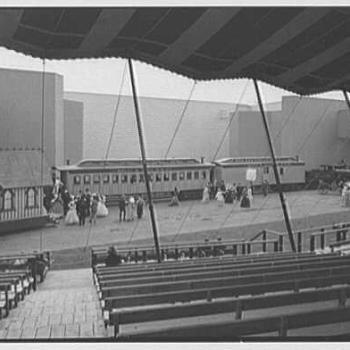
In 1870, the U.S. Transcontinental Railroad was completed.
Grades
7 - 12
|
Calendar Activity
|
Historical Figure & Event
In 1870, the U.S. Transcontinental Railroad was completed.
Students access the National Park Service website and look at the webpage "The Last Spikes." Students explore different accounts of what happened as the railroad neared completion and discuss the nature of ceremonies.
The first English printer, William Caxton, was born on this day in 1422.
Grades
3 - 8
|
Calendar Activity
|
Historical Figure & Event
The first English printer, William Caxton, was born on this day in 1422.
Students consider how the printing press affects their world by completing a printing inventory, comparing lists, and developing a "super" list of all printed materials that they interact with.
The first picture of Earth was taken by the U.S. satellite <em>Explorer VI</em> in 1959.
Grades
5 - 12
|
Calendar Activity
|
Historical Figure & Event
The first picture of Earth was taken by the U.S. satellite Explorer VI in 1959.
After students view the first picture from the Explorer VI Satellite, they discuss the differences between this first image and the images of the earth that we typically see today.
The first woman swam the English Channel in 1926.
Grades
3 - 8
|
Calendar Activity
|
Historical Figure & Event
The first woman swam the English Channel in 1926.
Students brainstorm a list of famous athletic competitors and establish criteria for what makes an athlete "famous." Students then forecast which of today's athletes will still be remembered in 75 to 100 years.
Grades
3 - 8
|
Calendar Activity
|
Historical Figure & Event
The prototype for the World Wide Web was created in 1990.
Students look at pictures from the past using the WayBack Machine and brainstorm a few websites to explore to think about how they have changed over the years.
Ernest Thayer, author of the famous poem "Casey at the Bat," was born in 1863.
Grades
3 - 8
|
Calendar Activity
|
Author & Text
Ernest Thayer, author of the famous poem "Casey at the Bat," was born in 1863.
In small groups or individually, students make baseball cards for the players in the poem "Casey at the Bat." Students can use a word processor or the Character Trading Cards interactive to create their cards.
Today is Cinco de Mayo.
Grades
7 - 12
|
Calendar Activity
|
Holiday & School Celebration
Today is Cinco de Mayo.
Students choose to research a piece of art, music, dance, literature, or food that suitably represents Mexico and create a presentation for the class.
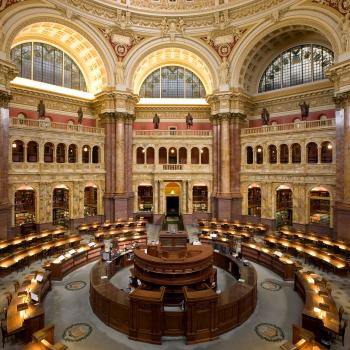
On this day in 1800, Congress approved the purchase of books to start the Library of Congress.
Grades
7 - 12
|
Calendar Activity
|
Historical Figure & Event
On this day in 1800, Congress approved the purchase of books to start the Library of Congress.
Students practice and refine research skills by visiting the Library of Congress website and conducting a research project.
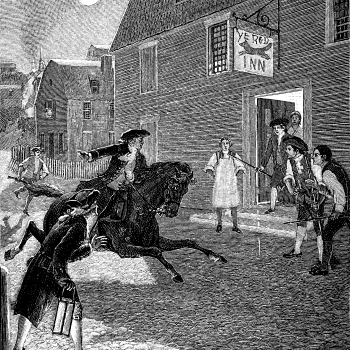
Paul Revere began his famous midnight ride in 1775.
Grades
4 - 8
|
Calendar Activity
|
Historical Figure & Event
Paul Revere began his famous midnight ride in 1775.
Through the study of Paul Revere, students learn about primary source documents while researching their family histories, with which they create and compare their family trees.
Grades
6 - 12
|
Afterschool and Summer Reading with LGBTQ Content

Motivate your middle school reader with books that include LGBTQ characters.
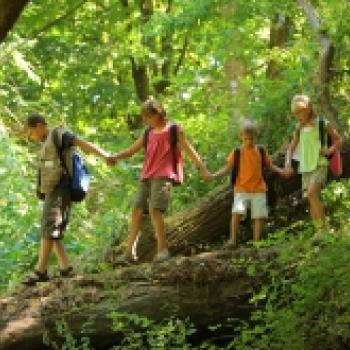
Grades
K - 8
|
Let's Go On A Poetry Walk!

The sun is shining, the birds are chirping, and you're surrounded by brilliant shades of green! Observe and collect sensory images from nature and use the sights, sounds, smells, and textures to create original nature poetry.

Bill of Rights Day is observed.
Grades
5 - 12
|
Calendar Activity
|
Holiday & School Celebration
Bill of Rights Day is observed.
Students identify a students' rights issue and explore the ways in which the Bill of Rights does protect and does not protect students.

Pagination

  • First page « First
  • Previous page ‹‹
  • …
  • Page 10
  • Page 11
  • Page 12
  • Page 13
  • Page 14
  • Page 15
  • Page 16
  • Page 17
  • Page 18

Explore Resources by Grade

  • KindergartenK
  • 1-2
  • 3-4
  • 5-6
  • 7-8
  • 9-10
  • 11-12

RWT-logo

Powered By NCTE

Footer 1 Menu

  • About
  • Classroom Resources
  • Professional Development
  • Collections
  • Contact Us

Footer 2 Menu

  • National Council of Teachers of English
  • Contribute to RWT
  • FAQs
  • Join NCTE

Footer 3 Menu

  • Legal Notices
  • Privacy Policy
  • Promotional Materials
  • Site Demonstrations

Want to stay in touch with RWT and NCTE? Sign up here!

  • Facebook
  • Twitter
  • Instagram
  • Pinterest
  • YouTube

© NCTE 2026. All rights reserved