ReadWriteThink - Powered by NCTE
  • About
  • Classroom Resources
    • Lesson Plans
    • Teaching Comics
    • Teaching With Primary Resources
    • Calendar
    • Printouts
    • Student Interactives
  • Collections
    • Assessment
    • Authors
    • Booklists
    • Media Literacy
    • Poetry
    • Primary Sources
    • Writing
  • Professional Development
    • Strategy Guides
    • Professional Library
    • Meetings & Events
  • Join NCTE
  • Contact Us
  • About
  • Classroom Resources
    • Lesson Plans
    • Teaching Comics
    • Teaching With Primary Resources
    • Calendar
    • Printouts
    • Student Interactives
  • Collections
    • Assessment
    • Authors
    • Booklists
    • Media Literacy
    • Poetry
    • Primary Sources
    • Writing
  • Professional Development
    • Strategy Guides
    • Professional Library
    • Meetings & Events
  • Join NCTE
  • Contact Us
  • Facebook
  • Twitter
  • Instagram
  • Pinterest
  • YouTube

Breadcrumb

  1. Home

Type

  • Classroom Resources
  • Professional Development

Grades

  • 1 (37)
  • 2 (39)
  • 3 (43)
  • 4 (46)
  • 5 (56)
  • 6 (65)
  • 7 (64)
  • 9 (38)
  • 10 (35)
  • 11 (34)
  • 12 (34)
  • K (34)
  • (-) 8 (63)

Learning Objectives

  • collaboration (17)
  • Comprehension (13)
  • critical thinking (41)
  • digital literacy (13)
  • Grammar (2)
  • inquiry / research (34)
  • listening (5)
  • literary analysis (6)
  • Media literacy (13)
  • metacognition (19)
  • multicultural awareness (1)
  • multimodal literacy (14)
  • oral communication (9)
  • print awareness (3)
  • reading fluency (3)
  • reading genres (16)
  • Spelling (2)
  • text structure / story structure (10)
  • Vocabulary (18)
  • writing genres (18)
  • writing process (16)

Topics

  • (-) science
  • arts
  • careers
  • community
  • drama
  • ELL
  • Family
  • fiction
  • Mathematics
  • Mobile Learning
  • nonfiction
  • poetry
  • seasons / holidays
  • social action
  • social studies / history
  • Sports
  • STEM
Engineering the Perfect Poem by Using the Vocabulary of STEM
Grades
7 - 10
|
Lesson Plan
|
Standard Lesson
Engineering the Perfect Poem by Using the Vocabulary of STEM

Students research engineering careers and create poetry to understand the vocabulary of STEM (science, technology, engineering, and mathematics).

A Prereading Strategy: Using the Vocabulary, Language, Prediction (VLP) Approach
Grades
6 - 8
|
Lesson Plan
|
Standard Lesson
A Prereading Strategy: Using the Vocabulary, Language, Prediction (VLP) Approach
Students learn content area vocabulary and increase reading comprehension using the Vocabulary, Language, Prediction (VLP) approach.
Reading Through Different Lenses: Making Text Connections Across the Curriculum
Grades
6 - 8
|
Lesson Plan
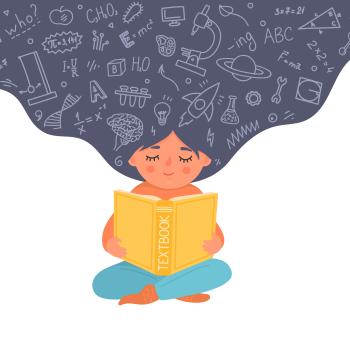
Reading Through Different Lenses: Making Text Connections Across the Curriculum
Students learn to comprehend the linguistic text styles of different content areas and use the interactive ReadWriteThink Notetaker tool as the teacher models the exercise.
Using THIEVES to Preview Nonfiction Texts
Grades
6 - 8
|
Lesson Plan
|
Standard Lesson
Using THIEVES to Preview Nonfiction Texts
Students become "thieves" in this lesson as they use a previewing strategy to "steal" information from textbooks and other nonfiction texts before actually reading them.

Grades
6 - 8
|
Lesson Plan
|
Unit
The Big, Bad Wolf...Is This a Fact?
Reading is revamped in this lesson in which students use a multimedia approach to study the books by Seymour Simon.

Digital Reflections: Expressing Understanding of Content Through Photography
Grades
6 - 8
|
Lesson Plan
|
Unit
Digital Reflections: Expressing Understanding of Content Through Photography
Striking images can leave lasting impressions on viewers. In this lesson, students make text–self–world connections to a nature- or science-related topic as they collaboratively design a multimedia presentation.
Cosmic Oranges: Observation and Inquiry Through Descriptive Writing and Art
Grades
6 - 8
|
Lesson Plan
|
Standard Lesson
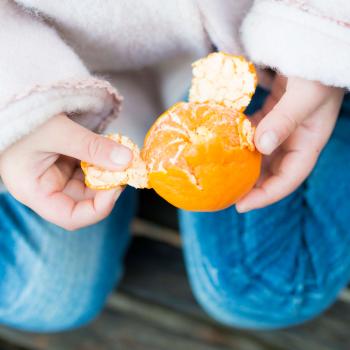
Cosmic Oranges: Observation and Inquiry Through Descriptive Writing and Art
Students will eat up this lesson about oranges as they practice the skills that help them investigate and make detailed observations for descriptive purposes.
Grades
6 - 8
|
Lesson Plan
|
Standard Lesson
Dynamic Duo Text Talks: Examining the Content of Internet Sites
An Observation and Inquiry Sheet guides students as they analyze and compare their reactions to the value, engagement, and credibility of three websites related to Anne Frank and the Holocaust.
Astronomer Annie Jump Cannon was born today.
Grades
4 - 8
|
Calendar Activity
|
Historical Figure & Event
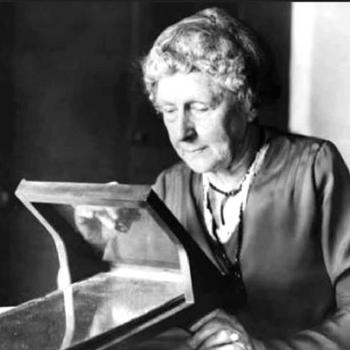
Astronomer Annie Jump Cannon was born today.
Students research a constellation and share their learning using an interactive or mobile app.
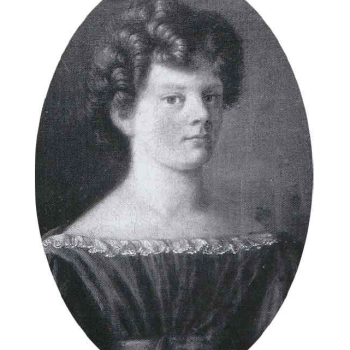
<em>Black Beauty</em> author Anna Sewell was born in 1820.
Grades
3 - 12
|
Calendar Activity
|
Author & Text
Black Beauty author Anna Sewell was born in 1820.
Through Sewell's novel, students explore the cruelty to animals and extend the discussion to current events, eventually presenting the information.
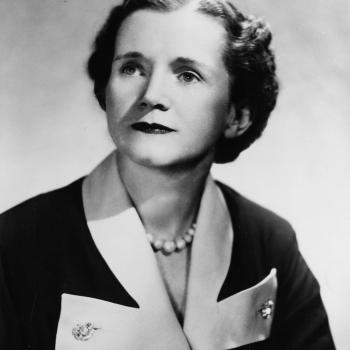
On this day in 1907, Rachel Carson was born.
Grades
3 - 12
|
Calendar Activity
|
Author & Text
On this day in 1907, Rachel Carson was born.
Students learn about Rachel Carson, explore different environmental websites, and write a Diamante Poem about a particular habitat.
Science-fiction author Ray Bradbury was born in 1920.
Grades
7 - 12
|
Calendar Activity
|
Author & Text
Science-fiction author Ray Bradbury was born in 1920.
Students do a Bradbury author study and then create flyers to advertise their favorite story using the ReadWriteThink Printing Press.

Science writer Seymour Simon was born in 1931.
Grades
3 - 8
|
Calendar Activity
|
Author & Text
Science writer Seymour Simon was born in 1931.
Students select and explore a scientific topic in detail using Simon's nonfiction science books and then use what they learn to write original poetry on the topic.
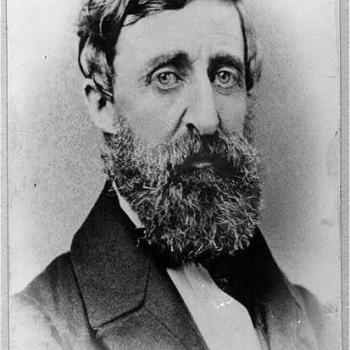
Henry David Thoreau was born in 1817.
Grades
1 - 12
|
Calendar Activity
|
Author & Text
Henry David Thoreau was born in 1817.
Students make mental "snapshots" of a natural setting, then capture the details of their setting by writing and then creating a class booklet of the nature walk.
The Scopes Trial began today in 1925.
Grades
5 - 12
|
Calendar Activity
|
Historical Figure & Event
The Scopes Trial began today in 1925.
Students brainstorm a list of objects and processes that have changed over time and use the Timeline tool to sketch out the evolution of the item they have chosen. A giant class timeline can be created to show the evolution of the items students have investigated.
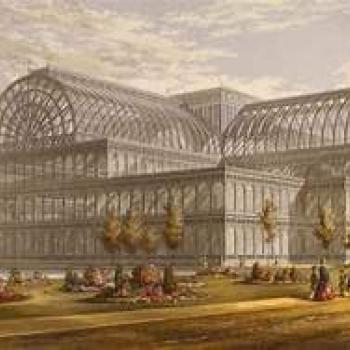
The Crystal Palace hosted the first display of life-size dinosaur replicas in 1854.
Grades
7 - 12
|
Calendar Activity
|
Historical Figure & Event
The Crystal Palace hosted the first display of life-size dinosaur replicas in 1854.
After learning about Hawkins' dinosaur replicas, students work individually or in small groups to investigate a dinosaur of their choice, comparing their findings to Hawkins'.
Sally Ride, first American woman in space, was born in 1951.
Grades
3 - 8
|
Calendar Activity
|
Historical Figure & Event
Sally Ride, first American woman in space, was born in 1951.
After exploring information about Sally Ride on the StarKids Who's Who site, students write a letter using the Letter Generator to Dr. Ride's foundation, Sally Ride Science.
Dr. Jonas Salk, who developed the polio vaccine, was born in 1914.
Grades
5 - 12
|
Calendar Activity
|
Historical Figure & Event
Dr. Jonas Salk, who developed the polio vaccine, was born in 1914.
After learning about Dr. Salk, students interview a family member or someone they know who remembers the polio epidemic.
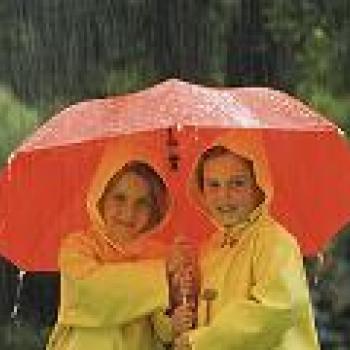
Grades
7 - 12
|
It's Raining Cats and Dogs! Make a Children's Book about the Weather

Kids learn about weather sayings throughout history while writing and illustrating a book for younger children.

The Smithsonian Institution was founded in 1846.
Grades
1 - 8
|
Calendar Activity
|
Historical Figure & Event
The Smithsonian Institution was founded in 1846.
After exploring an exhibit online, students use the information they learned to write "A Day in the Life" narratives that tell about a person, animal, or object they saw in the exhibit.

Pagination

  • First page « First
  • Previous page ‹‹
  • Page 1
  • Page 2
  • Page 3
  • Page 4
  • Next page ››
  • Last page Last »

Explore Resources by Grade

  • KindergartenK
  • 1-2
  • 3-4
  • 5-6
  • 7-8
  • 9-10
  • 11-12

RWT-logo

Powered By NCTE

Footer 1 Menu

  • About
  • Classroom Resources
  • Professional Development
  • Collections
  • Contact Us

Footer 2 Menu

  • National Council of Teachers of English
  • Contribute to RWT
  • FAQs
  • Join NCTE

Footer 3 Menu

  • Legal Notices
  • Privacy Policy
  • Promotional Materials
  • Site Demonstrations

Want to stay in touch with RWT and NCTE? Sign up here!

  • Facebook
  • Twitter
  • Instagram
  • Pinterest
  • YouTube

© NCTE 2026. All rights reserved