This resolution discusses that understanding the new media and using them constructively and creatively actually requires developing a new form of literacy and new critical abilities "in reading, listening, viewing, and thinking."
Resolution on Promoting Media Literacy
A Call to Action: What We Know About Adolescent Literacy and Ways to Support Teachers in Meeting Students' Needs
This document provides a research-based resource that acknowledges the complexities of reading as a developmental process and addresses the needs of secondary readers and their teachers.

Guideline on The Students' Right to Read
The current edition of The Students' Right to Read is an adaptation and updating of the original Council statement, including "Citizen's Request for Reconsideration of a Work."
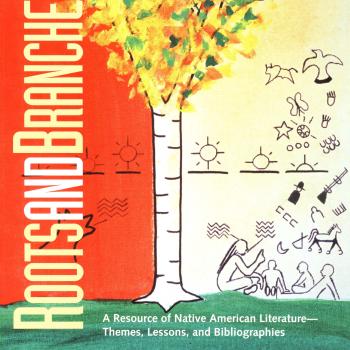
Roots and Branches: A Resource of Native American Literature
This valuable resource book offers teachers an opportunity to learn and to teach about Native American literatures in context. Susag examines the historical and literary contexts that frame the literary work of Native peoples.
Code of Best Practices in Fair Use for Media Literacy Education
This document is a code of best practices that helps educators using media literacy concepts and techniques to interpret the copyright doctrine of fair use.
Being and Becoming: Multilingual Writers' Practices
This study examines the writing practices taken on and negotiated by multilingual class members within two multiage elementary classrooms.
Stop Pretending and Think about Plot
Jago offers a review of Freytag's Pyramid and an example of how work with the concept of plot structure positively affected student understanding and writing.
From Sheryl Crow to Homer Simpson: Literature and Composition through Pop Culture
High school teacher Jerome Evans makes popular culture an integral part of his courses. Through analyzing themes in song lyrics, rhetorical devices in essays and advertisements, and psychology in contemporary film, students improve their skills in critical thinking and writing.
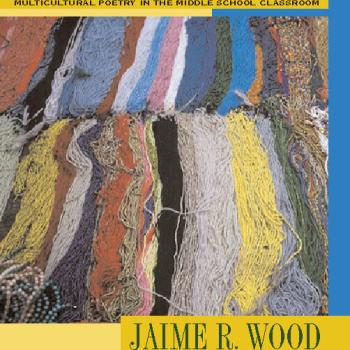
Living Voices: Multicultural Poetry in the Middle School Classroom
Jaime Wood offers middle school English language arts teachers material for teaching poetry by Nikki Giovanni, Li-Young Lee, and Pat Mora; the text includes graphic organizers and other resources.
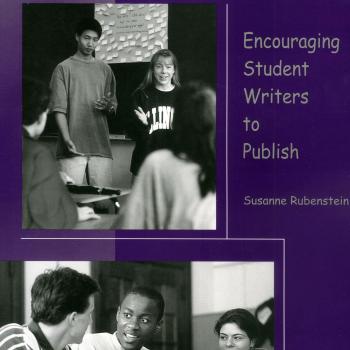
Go Public!: Encouraging Student Writers to Publish
Intended for middle and high school teachers, Go Public! offers specific writing ideas and classroom activities to help students develop the confidence and ability to publish in a wide market.
Multiple Texts: Multiple Opportunities for Teaching and Learning
Using texts that first meet the reading "levels" of middle school students, then offering increasingly challenging books, teachers can group students at all levels using multiple texts. Strategy logs and conferences are two of the successful tools teachers use to increase comprehension as well as critical reading skills.
"Framing Texts: New Strategies for Student Writers"
Using children's picture books, Deborah Dean provided frameworks for student research papers that avoided the pitfalls leading to voiceless and encyclopedic writing. Research guide sheets; class analysis of text organization, sentence variety, stylistic choices; and peer review all contribute to interesting final papers.
Beyond Voices of Readers: Students on School's Effects on Reading
This article summarizes and explicates research on 272 twelfth-grade students' reading autobiographies. Cope quotes from some noteworthy comments and makes some suggestions on how teachers and schools might do a better job of teaching literature.
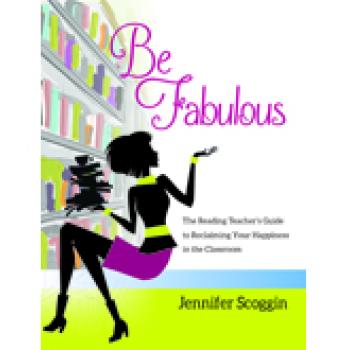
Be Fabulous: The Reading Teacher's Guide to Reclaiming Your Happiness in the Classroom
Scoggin merges her straight-talking blogger persona, Mrs. Mimi, with her years of research to help you rediscover who you are and redefine the type of literacy teacher you want to become. At the heart of this book is teacher happiness and empowerment—reconnect with your inner fabulous to give the best possible literacy instruction to your students.
Writing with Voice
Tom Romano leads students to allow themselves creative freedom while developing the patience to hone that first rush into a tight and effective piece of writing with voice.
Pamphlets: An Introduction to Research Techniques
Describes a four- to six-week project for high school sophomores in which students create pamphlets and in the process learn basic research skills and practice several elements of the research paper.
Research Matters: What Kinds of Classroom Discussion Promote Reading Comprehension?
"Research Matters" provides teachers with review and application of research that illuminates the daily concerns and activities of English language arts teachers and classrooms.
Position Statement on Multimodal Literacies
This position on Multimodal Literacies is a summary statement developed by the Multimodal Literacies Issue Management Team of the NCTE Executive Committee.
Let's Go to the Movies: Rethinking the Role of Film in the Elementary Classroom
Argues that elementary language-arts teachers should expand their definition of "text" to include film, a valuable instructional material. Notes that today's elementary students come to class with a great deal of knowledge about films--prior experiences which teachers can tap into. Discusses the application to film of reader-response theories.