This document is a code of best practices that helps educators using media literacy concepts and techniques to interpret the copyright doctrine of fair use.
Code of Best Practices in Fair Use for Media Literacy Education
Stop Pretending and Think about Plot
Jago offers a review of Freytag's Pyramid and an example of how work with the concept of plot structure positively affected student understanding and writing.
From Sheryl Crow to Homer Simpson: Literature and Composition through Pop Culture
High school teacher Jerome Evans makes popular culture an integral part of his courses. Through analyzing themes in song lyrics, rhetorical devices in essays and advertisements, and psychology in contemporary film, students improve their skills in critical thinking and writing.
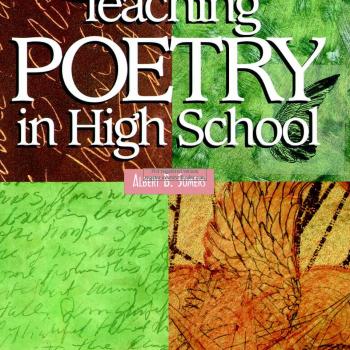
Teaching Poetry in High School
Albert Somers offers teachers a vast compendium of resources for teaching poetry in a highly accessible format.
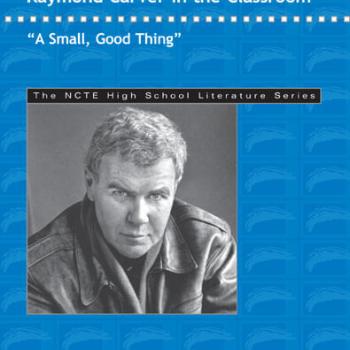
Raymond Carver in the Classroom: "A Small, Good Thing"
Rubenstein offers specific, classroom-tested strategies for teaching Raymond Carver's short stories and poems in the high school English classroom.
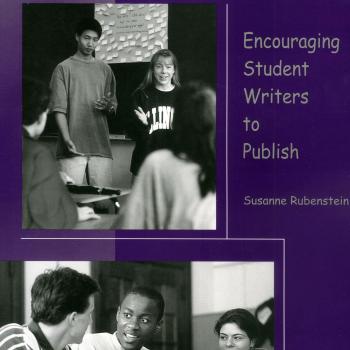
Go Public!: Encouraging Student Writers to Publish
Intended for middle and high school teachers, Go Public! offers specific writing ideas and classroom activities to help students develop the confidence and ability to publish in a wide market.
Multiple Texts: Multiple Opportunities for Teaching and Learning
Using texts that first meet the reading "levels" of middle school students, then offering increasingly challenging books, teachers can group students at all levels using multiple texts. Strategy logs and conferences are two of the successful tools teachers use to increase comprehension as well as critical reading skills.
"Framing Texts: New Strategies for Student Writers"
Using children's picture books, Deborah Dean provided frameworks for student research papers that avoided the pitfalls leading to voiceless and encyclopedic writing. Research guide sheets; class analysis of text organization, sentence variety, stylistic choices; and peer review all contribute to interesting final papers.
Beyond Voices of Readers: Students on School's Effects on Reading
This article summarizes and explicates research on 272 twelfth-grade students' reading autobiographies. Cope quotes from some noteworthy comments and makes some suggestions on how teachers and schools might do a better job of teaching literature.
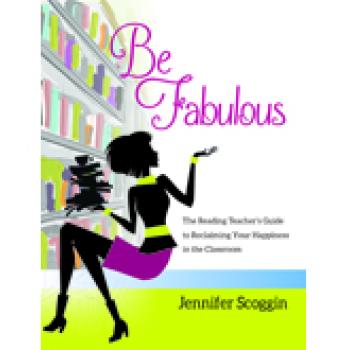
Be Fabulous: The Reading Teacher's Guide to Reclaiming Your Happiness in the Classroom
Scoggin merges her straight-talking blogger persona, Mrs. Mimi, with her years of research to help you rediscover who you are and redefine the type of literacy teacher you want to become. At the heart of this book is teacher happiness and empowerment—reconnect with your inner fabulous to give the best possible literacy instruction to your students.
Writing with Voice
Tom Romano leads students to allow themselves creative freedom while developing the patience to hone that first rush into a tight and effective piece of writing with voice.
Pamphlets: An Introduction to Research Techniques
Describes a four- to six-week project for high school sophomores in which students create pamphlets and in the process learn basic research skills and practice several elements of the research paper.
Research Matters: What Kinds of Classroom Discussion Promote Reading Comprehension?
"Research Matters" provides teachers with review and application of research that illuminates the daily concerns and activities of English language arts teachers and classrooms.
Position Statement on Multimodal Literacies
This position on Multimodal Literacies is a summary statement developed by the Multimodal Literacies Issue Management Team of the NCTE Executive Committee.
Building Community through Poetry: A Role for Imagination in the Classroom
Methods such as the circle poem, the "poetic interview," the found poem, and the poetic field trip are just some used by the author to create an atmosphere of mutual support and enable students to initiate "imaginative possibilities."
Using Short Story Collections to Enrich the English Classroom
Describes ways short story collections can be integrated into the English curriculum, including a short story fair, a short story hunt, using single short stories to extend a unit, using a short story by itself, using a collection as a whole, and using short stories as part of a focus on writing. Offers a list of short story resources.
Menu Magic!
This article helps eighth graders review the power of adjectives. Students eat up this project that promises to deliver the opportunity to analyze, synthesize, and evaluate while giving students the chance to work in cooperative groups. All in all, it's an appetizing way to get kids focused on descriptive writing.

Expanding Vision: Teaching Haiku
Despite common misconceptions about haiku, there is a lively and vibrant haiku community throughout the United States and many other countries. Read this article for further discussion on the use of haiku in your own classroom.
Using Children's Literature to Spark Learning
Presents two brief articles--the first discusses purposes for using children's picture books in a secondary classroom, activities for children's literature, and integrating children's books into the classroom curriculum; and the second discusses using folktales in the classroom to engage reluctant readers and writers, suggests ideas/topics for folktale writing projects, lists writing prompts, and recommends folktales.
Undoing the Great Grammatical Scam
Grammar should be taught in the context of students' own writing: "we learn what we actually have the opportunity to practice and do in the real world."