Students use illustrations from The Mysteries of Harris Burdick as a guide to write mysteries
and then present their stories to the class for students to discuss to which illustration each
story corresponds.

The Mysteries of Harris Burdick: Using Illustrations to Guide Writing

Facilitating Student-Led Seminar Discussions with The Piano Lesson
August Wilson's play The Piano Lesson invites students to ask a number of questions—big
and small. Students learn how to create effective discussion questions and then put them to use in student-led discussions.

If a Body Texts a Body: Texting in The Catcher in the Rye
Students imagine the possibilities afforded by text messaging technology in The Catcher in the Rye; They compare and contrast major forms of communication, select points in the novel to represent with text messages, and share and discuss their creative work.
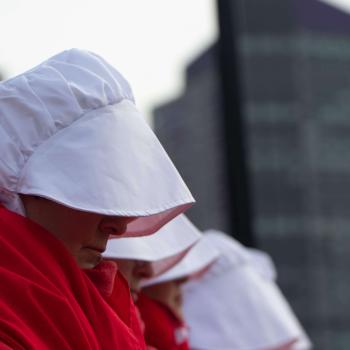
Language and Power in The Handmaid's Tale and the World
Students work in small groups to examine Margaret Atwood's use of and observations about language in The Handmaid's Tale. Through this activity, students discover and articulate overarching thematic trends in the book and then can extend their observations about official or political language to examples from their own world.
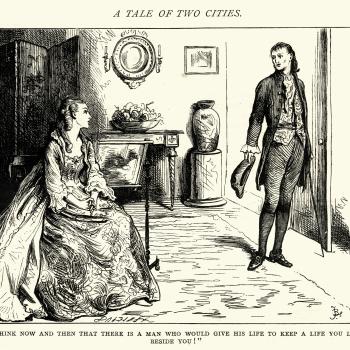
A Tale of a Few Text Messages: A Character Study of A Tale of Two Cities
Students use A Tale of Two Cities to explore relationships, plot points, character traits, and background by writing text messages between characters within the novel.
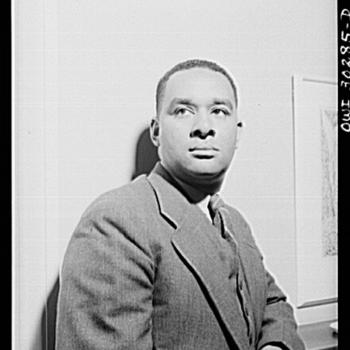
Demonstrating Understanding of Richard Wright's Rite of Passage
Students use the elements of persuasion for a specific audience to demonstrate their understanding of Richard Wright's accessible and engaging coming-of-age novel, Rite of Passage.
Active Reading through Self-Assessment: The Student-Made Quiz
This recurring lesson encourages students to comprehend their reading through inquiry and collaboration. They choose important quotations from the text and work in groups to formulate "quiz" questions that their peers will answer.

And in Conclusion: Inquiring into Strategies for Writing Effective Conclusions
While drafting a literary analysis essay (or another type of argument) of their own, students work in pairs to investigate advice for writing conclusions and to analyze conclusions of sample essays. They then draft two conclusions for their essay, select one, and reflect on what they have learned through the process.
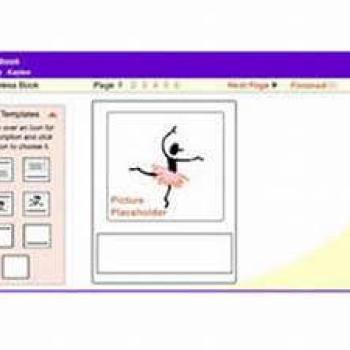
Stapleless Book
The Stapleless Book can be used for taking notes while reading, making picture books, collecting facts, or creating vocabulary booklets . . . the possibilities are endless!

Tim O'Brien in the Classroom: "This too is true: Stories can save us"
As part of the NCTE High School Literature Series, Tim O'Brien in the Classroom focuses on opportunities for classroom discussion and writing assignments, including lessons, open-ended prompts, and student writing samples.
A Failure of the Imagination
This article discusses the imaginative activities and assignments that teachers often assign that violate the text around which the lesson is focused and that mislead students about its meaning.

Life's Journeys: Help Along the Way
Tap into teen and preteen readers' interest in adolescent-mentor relationships with these recommendations!

RAFT Writing Template
Students can utilize this printout to organize their writing as they learn to use the RAFT strategy. This printout enables students to clearly define their role, audience, format, and topic for writing.

Anticipation Guide
Help establish a purpose for reading—and generate post-reading reflection and discussion—with this guide.

Brainstorming and Reviewing Using the Carousel Strategy
This strategy guide introduces Carousel Brainstorming, also known as Rotating Review, and offers suggestions to implement this technique in your classroom for brainstorming about new topics or reviewing learned information.

Using the Think-Pair-Share Technique
In this strategy guide, you will learn how to organize students and classroom topics to encourage a high degree of classroom participation and assist students in developing a conceptual understanding of a topic through the use of the Think-Pair-Share technique.

Using the RAFT Writing Strategy
This strategy guide introduces the RAFT technique and offers practical ideas for using this technique to teach students to experiment with various perspectives in their writing.

Socratic Seminars
This strategy guide explains Socratic seminars and offers practical methods for applying the approach in your classroom to help students investigate multiple perspectives in a text.

Facilitating Participation with Silent Conversations
This guide introduces silent conversations, a collaborative learning technique that has students
thinking, sharing, and reflecting about important questions—but through writing rather than talk.

Using Generative Sentences to Apply Academic Vocabulary
In this guide, you will learn how to use generative sentences to give students opportunities to apply their knowledge of new words in writing.