This guide explores quantitative civic reasoning in English and math classrooms.
Quantitative Civic Reasoning: A Guide for Centering Civic Innovation in Math and English Language Arts Classrooms
360 Degrees of Text: Using Poetry to Teach Close Reading and Powerful Writing
Through Eileen Murphy Buckley's 360-degree approach to teaching critical literacy, students investigate texts through a full spectrum of learning modalities, harnessing the excitement of performance, imitation, creative writing, and argument/debate activities to become more powerful thinkers, readers, and writers.
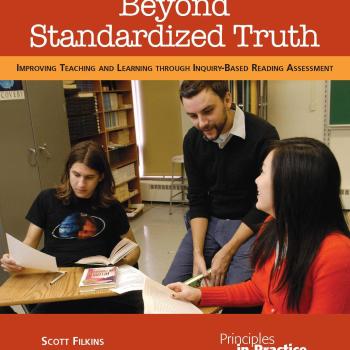
Beyond Standardized Truth: Improving Teaching and Learning through Inquiry-Based Reading Assessment
Scott Filkins brings us into his and colleagues' classrooms to demonstrate how high school teachers across the disciplines can engage in inquiry-based reading assessment to support student learning. This book is part of the NCTE Principles in Practice imprint.
Sharing Stories and Developing Multiple Perspectives in Post-9/11 Classrooms
Sensitive to the increased importance of valuing diversity and diverse points of view since 9/11, this article describes activities through which ESL students contribute new knowledge to their classes while simultaneously improving their English language skills.
I-Search in the Age of Information
Middle school teacher Huntington Lyman takes a fresh look at the I-Search research method and shows how it can be modified to provide an effective project for middle school students.
Ethics as a Form of Critical and Rhetorical Inquiry in the Writing Classroom
What can improve students' engagement in persuasive writing? A strong ethical dilemma and strategies for developing intelligent responses.
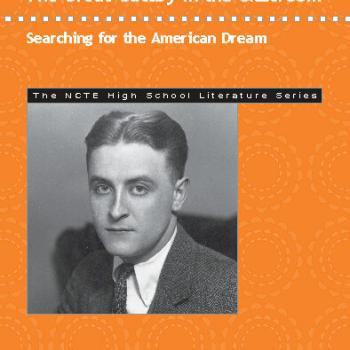
The Great Gatsby in the Classroom: Searching for the American Dream
Veteran high school English teacher David Dowling demonstrates how teachers can help students connect The Great Gatsby to the value systems of the twenty-first century, offering active reading and thinking strategies designed to enhance higher-level thinking and personal responses to fiction.
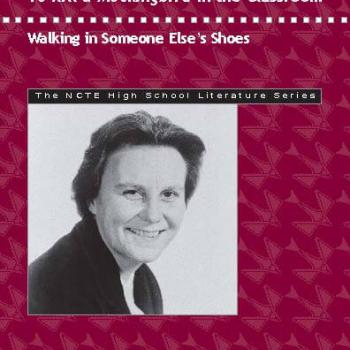
To Kill a Mockingbird in the Classroom: Walking in Someone Else's Shoes
This book examines ways of engaging students as they study Harper Lee's novel. Included are collaborative learning, discussion, writing, and inquiry-based projects as well as activities related to the film version of To Kill a Mockingbird.
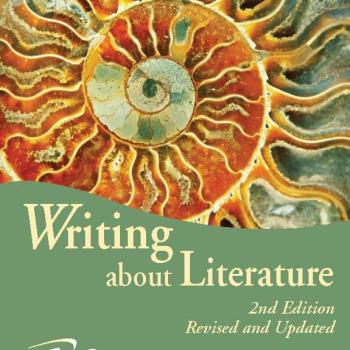
Writing about Literature, 2nd ed., Revised and Updated
This book is intended to help middle and secondary school English language arts teachers integrate literature study and composition instruction.
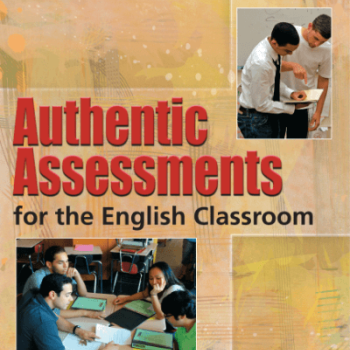
Authentic Assessments for the English Classroom
Joanna Dolgin, Kim Kelly, and Sarvenaz Zelkha offer real-world examples, sample student work, step-by-step instructions, and handouts to help teachers incorporate authentic forms of assessment into the middle and high school curriculum.
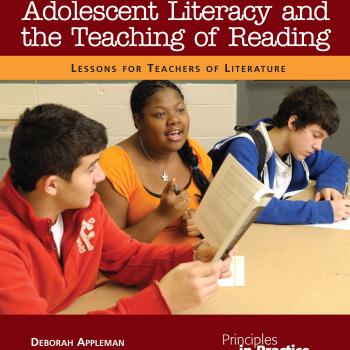
Adolescent Literacy and the Teaching of Reading: Lessons for Teachers of Literature
Deborah Appleman dismantles the traditional divide between secondary teachers of literature and teachers of reading and offers a variety of practical ways to teach reading within the context of literature classrooms.
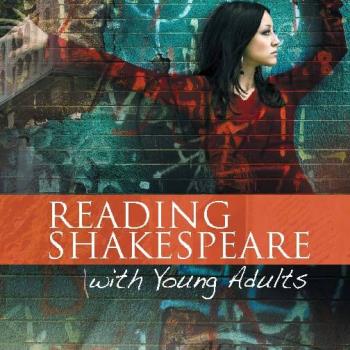
Reading Shakespeare with Young Adults
Dakin explores different methods for getting students engaged--and excited--about Shakespeare's plays as they learn to construct meaning from the texts' sixteenth-century language and connect it to their twenty-first-century lives.
What Works in Writing Instruction: Research and Practices
Through teacher-friendly language and classroom examples, Deborah Dean takes a close look at effective, research-based practices for writing instruction.
What Is "College-Level" Writing? Volume 2: Assignments, Readings, and Student Writing Samples
Edited by Patrick Sullivan, Howard Tinberg, and Sheridan Blau, this sequel to What Is "College-Level" Writing? (2006) highlights the practical aspects of teaching writing.
Teaching YA Lit through Differentiated Instruction
Authors Susan L. Groenke and Lisa Scherff offer suggestions for incorporating YA lit into the high school curriculum.
Reading & Writing & Teens: A Parent's Guide to Adolescent Literacy
Offering advice from a host of experts in adolescent literacy, this book helps answer real questions from parents across the country about how to best support their teens as readers and writers.
Walking the Talk: Examining Privilege and Race in a Ninth-Grade Classroom
The authors describe their struggles and eventual success with students in constructing a "counternarrative to colormuteness and colorblindness"—the self-imposed student segregation and silencing of voice.

Tim O'Brien in the Classroom: "This too is true: Stories can save us"
As part of the NCTE High School Literature Series, Tim O'Brien in the Classroom focuses on opportunities for classroom discussion and writing assignments, including lessons, open-ended prompts, and student writing samples.
A Failure of the Imagination
This article discusses the imaginative activities and assignments that teachers often assign that violate the text around which the lesson is focused and that mislead students about its meaning.
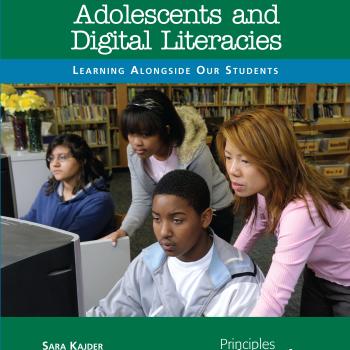
Adolescents and Digital Literacies: Learning Alongside Our Students
This book isn't about technology. It's about the teaching practices that technology enables. This book addresses the ways in which teachers and students work together to navigate continuous change and what it means to read, write, view, listen, and communicate in the twenty-first century.