Students locate specific information, identify text features of nonfiction text, and write to generalize information on related topics.

Traveling Terrain: Comprehending Nonfiction Text on the Web
Scaffolding Comprehension Strategies Using Graphic Organizers
Students learn collaborative strategic reading (CSR). During and after reading, students apply four reading strategiespreview, click and clunk, get the gist, and wrap-upand use graphic organizers for scaffolding.
Peace Poems and Picasso Doves: Literature, Art, Technology, and Poetry
Students apply think-aloud strategies to reading and to composition of artwork and poetry. They research symbols of peace as they prewrite, compose, and publish their poetry.
Exploring World Cultures Through Folk Tales
Journey around the world with students as they read a Japanese, African, or Welsh folk tale, create a visual depiction of the tale, research the tale's culture, and present findings.
Compare and Contrast Electronic Text With Traditionally Printed Text
Students become familiar with the similarities and differences between electronic and printed text by comparing the textual aids included in a textbook with those of an educational website.
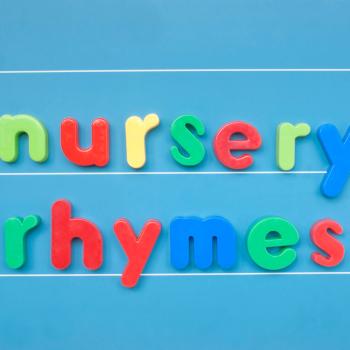
The Two Voices of the ow Spelling Pattern
Variable vowels are the focus of this lesson; students use nursery rhymes and ow to study how vowels can change their sounds according to different spelling patterns.

Finding Figurative Language in The Phantom Tollbooth
Students examine figurative language in The Phantom Tollbooth and create a chart representing the literal and figurative meanings of words and phrases.

In the Poet's Shoes: Performing Poetry and Building Meaning
Students take poetic license when they interpret William Carlos William's poem "The Red Wheelbarrow" to help create a poem of their own.
Analyzing Character Development in Three Short Stories About Women
Students read three short stories about women; discuss the development of female characters, gender differences, and society's expectations; and write scripts in which the characters discuss their similarities and differences.
Pairing Fiction With Poetry and Performance
Make connections across genres and across cultures to engage students in the study of literary voice and themes. Comprehension skills and vocabulary also come into play, especially for English language learners, as students read a novel and related poems, then write and perform original poems related to the novel.
A Schema-Building Study With Patricia Polacco
Students use the Semantic Impressions and Possible Sentences strategies to write about Patricia Polacco's books Chicken Sunday and Rechenka's Egg, complete a character study, and write using a WebQuest.

Once They're Hooked, Reel Them In: Writing Good Endings
It's important to "hook" readers at a story's beginning, but it's equally important to keep them interested. In this lesson, students learn to write effective conclusions to their own stories.
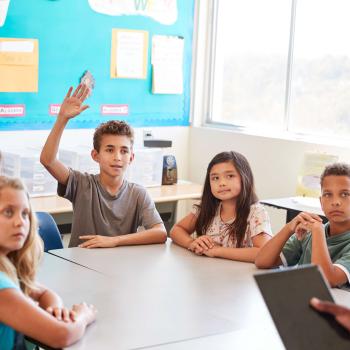
Building a Learning Community: Crafting Rules for the Classroom
Students will learn to mind their ps and qs in this lesson on etiquette and appropriate behavior in the classroom.

Exploring Friendship With Bridge to Terabithia
Students make predictions about Bridge to Terabithia and its characters, complete character studies, and relate the characters' experiences to their own as they identify ways to make and keep friends.
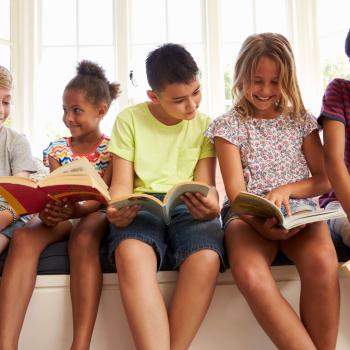
No Teachers Allowed: Student-Led Book Clubs Using QAR
Students are introduced to the Question-Answer Relationship (QAR) strategy through a read-aloud and question sort. Students then use the strategy to develop questions for a peer-led book discussion.

Two Thumbs Up! Get Students Writing and Publishing Book Reviews
Students evaluate book reviews written by other children, discussing their components and effectiveness, and write reviews of favorite books to record on video or post online.

Media Literacy: Examining the World of Television Teens
Pop culture and the classroom collide in this lesson when students go behind the scenes to analyze a television series for characterization to use in an original television show proposal.
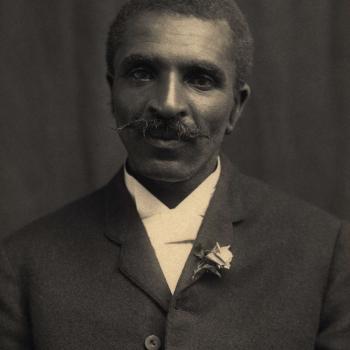
Great American Inventors: Using Nonfiction to Learn About Technology Inventions
Who are the people behind the world's greatest inventions? Students read biographies of a terrific trio of American inventors and create presentations that highlight how their inventions from the past impacted the future.
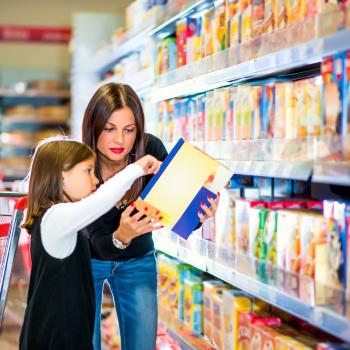
Bingo! Using Environmental Print to Practice Reading
The game Bingo is transformed in this lesson in which students use symbols and images to make connections to environmental print through the use of personalized Bingo cards.

Reading Informational Texts Using the 3-2-1 Strategy
Students can count on using the 3-2-1 strategy to help them successfully comprehend and write about an informational text.