ReadWriteThink - Powered by NCTE
  • About
  • Classroom Resources
    • Lesson Plans
    • Teaching Comics
    • Teaching With Primary Resources
    • Calendar
    • Printouts
    • Student Interactives
  • Collections
    • Assessment
    • Authors
    • Booklists
    • Media Literacy
    • Poetry
    • Primary Sources
    • Writing
  • Professional Development
    • Strategy Guides
    • Professional Library
    • Meetings & Events
  • Join NCTE
  • Contact Us
  • About
  • Classroom Resources
    • Lesson Plans
    • Teaching Comics
    • Teaching With Primary Resources
    • Calendar
    • Printouts
    • Student Interactives
  • Collections
    • Assessment
    • Authors
    • Booklists
    • Media Literacy
    • Poetry
    • Primary Sources
    • Writing
  • Professional Development
    • Strategy Guides
    • Professional Library
    • Meetings & Events
  • Join NCTE
  • Contact Us
  • Facebook
  • Twitter
  • Instagram
  • Pinterest
  • YouTube

Breadcrumb

  1. Home

Type

  • (-) Recurring Lesson

Grades

  • 1 (7)
  • 2 (6)
  • 3 (17)
  • 4 (19)
  • 5 (19)
  • 6 (14)
  • 7 (7)
  • 8 (7)
  • 9 (2)
  • 10 (2)
  • 11 (2)
  • 12 (2)
  • K (7)

Learning Objectives

  • (-) Comprehension (34)
  • collaboration (22)
  • critical thinking (14)
  • digital literacy (7)
  • inquiry / research (8)
  • listening (9)
  • literary analysis (11)
  • Media literacy (5)
  • metacognition (14)
  • multicultural awareness (2)
  • multimodal literacy (4)
  • oral communication (9)
  • phonological awareness (7)
  • print awareness (7)
  • reading fluency (8)
  • reading genres (9)
  • Spelling (5)
  • text structure / story structure (8)
  • Vocabulary (15)
  • writing genres (4)
  • writing process (13)

Topics

  • arts
  • careers
  • community
  • drama
  • ELL
  • Family
  • fiction
  • nonfiction
  • poetry
  • social studies / history
  • Sports
Guided Comprehension: Previewing Using an Anticipation Guide
Grades
3 - 6
|
Lesson Plan
|
Recurring Lesson
Guided Comprehension: Previewing Using an Anticipation Guide
Based on the Guided Comprehension Model developed by Maureen McLaughlin and Mary Beth Allen, this lesson introduces students to the comprehension strategy of previewing.
Demonstrating Comprehension Through Journal Writing
Grades
3 - 5
|
Lesson Plan
|
Recurring Lesson
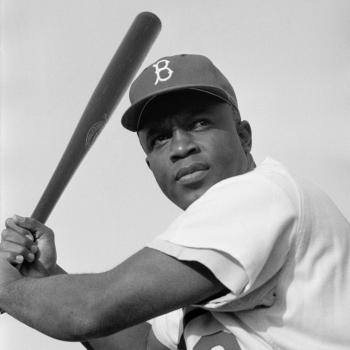
Demonstrating Comprehension Through Journal Writing

Students demonstrate comprehension by responding to open-ended questions based on the Newbery Honor book Mr. Popper's Penguins, and then draw from the text and their personal experiences to create journals.

Grades
6 - 8
|
Lesson Plan
|
Recurring Lesson
Choosing, Chatting, and Collecting: Vocabulary Self-Collection Strategy
Students identify interesting words from Shakespeare's plays and add them to a classroom vocabulary collection.

Using Story Innovation to Teach Fluency, Vocabulary, and Structure
Grades
3 - 6
|
Lesson Plan
|
Recurring Lesson
Using Story Innovation to Teach Fluency, Vocabulary, and Structure
An instructional strategy called story innovation teaches students fluency, comprehension, vocabulary, and story structure. This unique strategy can be adapted for many purposes.

Talking About Books to Improve Comprehension
Grades
3 - 5
|
Lesson Plan
|
Recurring Lesson
Talking About Books to Improve Comprehension
This lesson is a conversation-starter! In this lesson, students learn about striking up deep-thought conversations and staying on topic in the form of a book talk.

Using Word Storms to Explore Vocabulary and Encourage Critical Thinking
Grades
3 - 5
|
Lesson Plan
|
Recurring Lesson
Using Word Storms to Explore Vocabulary and Encourage Critical Thinking
Students learn that dogs are more than just pets in this lesson, which teaches them to use research and vocabulary-acquisition strategies to learn and write about working dogs.
Guided Comprehension in Action: Teaching Summarizing With the Bio-Cube
Grades
6 - 8
|
Lesson Plan
|
Recurring Lesson
Guided Comprehension in Action: Teaching Summarizing With the Bio-Cube

Students learn the ins and outs of writing biographies by researching a contemporary or historical figure and writing a summary.

Grades
K - 2
|
Lesson Plan
|
Recurring Lesson
Learning Centers: From Shared to Independent Practice
Seven blind mice—see how they spend each day of the week in this lesson that uses the book Seven Blind Mice to guide students through shared reading, writing, and listening activities.

Readers Theatre
Grades
3 - 5
|
Lesson Plan
|
Recurring Lesson
Readers Theatre
Students develop scripts, perform, and use their voices to depict characters from texts, giving them the opportunity to develop fluency and further enhance comprehension of what they are reading.

Acquiring New Vocabulary Through Book Discussion Groups
Grades
3 - 5
|
Lesson Plan
|
Recurring Lesson
Acquiring New Vocabulary Through Book Discussion Groups

This lesson employs direct instruction and small-group discussion to help students learn new vocabulary skills while reading Patricia Polacco's Pink and Say.

No Teachers Allowed: Student-Led Book Clubs Using QAR
Grades
3 - 6
|
Lesson Plan
|
Recurring Lesson
No Teachers Allowed: Student-Led Book Clubs Using QAR
Students are introduced to the Question-Answer Relationship (QAR) strategy through a read-aloud and question sort. Students then use the strategy to develop questions for a peer-led book discussion.
Choosing the Right Book: Strategies for Beginning Readers
Grades
K - 2
|
Lesson Plan
|
Recurring Lesson
Choosing the Right Book: Strategies for Beginning Readers
Students make purposeful choices for their reading materials, thinking about their reasons for reading a book and using strategies to match books to their abilities.

My World of Words: Building Vocabulary Lists
Grades
3 - 5
|
Lesson Plan
|
Recurring Lesson
My World of Words: Building Vocabulary Lists
Working in small groups, students select vocabulary words and research their meanings. In a culminating activity that uses text and illustration, each student creates a "My World of Words Journal."
Using a Word Journal to Create a Personal Dictionary
Grades
6 - 8
|
Lesson Plan
|
Recurring Lesson
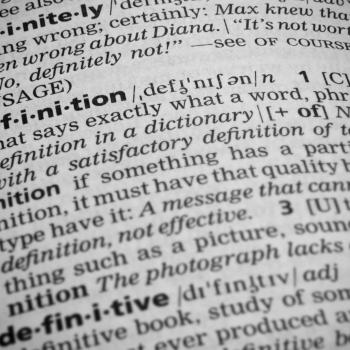
Using a Word Journal to Create a Personal Dictionary
Students will be the definition of vocabulary experts as they use the skills they learn in this lesson to track, define, and ultimately master unfamiliar words.

Pagination

  • First page « First
  • Previous page ‹‹
  • Page 1
  • Page 2

Explore Resources by Grade

  • KindergartenK
  • 1-2
  • 3-4
  • 5-6
  • 7-8
  • 9-10
  • 11-12

RWT-logo

Powered By NCTE

Footer 1 Menu

  • About
  • Classroom Resources
  • Professional Development
  • Collections
  • Contact Us

Footer 2 Menu

  • National Council of Teachers of English
  • Contribute to RWT
  • FAQs
  • Join NCTE

Footer 3 Menu

  • Legal Notices
  • Privacy Policy
  • Promotional Materials
  • Site Demonstrations

Want to stay in touch with RWT and NCTE? Sign up here!

  • Facebook
  • Twitter
  • Instagram
  • Pinterest
  • YouTube

© NCTE 2026. All rights reserved