
ReadWriteThink - Powered by NCTE
  • About
  • Classroom Resources
    • Lesson Plans
    • Teaching Comics
    • Teaching With Primary Resources
    • Calendar
    • Printouts
    • Student Interactives
  • Collections
    • Assessment
    • Authors
    • Booklists
    • Media Literacy
    • Poetry
    • Primary Sources
    • Writing
  • Professional Development
    • Strategy Guides
    • Professional Library
    • Meetings & Events
  • Join NCTE
  • Contact Us
  • About
  • Classroom Resources
    • Lesson Plans
    • Teaching Comics
    • Teaching With Primary Resources
    • Calendar
    • Printouts
    • Student Interactives
  • Collections
    • Assessment
    • Authors
    • Booklists
    • Media Literacy
    • Poetry
    • Primary Sources
    • Writing
  • Professional Development
    • Strategy Guides
    • Professional Library
    • Meetings & Events
  • Join NCTE
  • Contact Us
  • Facebook
  • Twitter
  • Instagram
  • Pinterest
  • YouTube

Breadcrumb

  1. Home

Type

  • Classroom Resources
  • Professional Development

Grades

  • 1 (47)
  • 2 (46)
  • 3 (81)
  • 4 (85)
  • 5 (106)
  • 6 (148)
  • 7 (154)
  • 8 (157)
  • 9 (165)
  • 10 (160)
  • 11 (151)
  • 12 (150)
  • K (41)

Learning Objectives

  • (-) Grammar (57)
  • (-) multimodal literacy (260)
  • collaboration (458)
  • Comprehension (508)
  • critical thinking (649)
  • digital literacy (154)
  • inquiry / research (350)
  • listening (182)
  • literary analysis (367)
  • Media literacy (205)
  • metacognition (302)
  • multicultural awareness (113)
  • oral communication (224)
  • phonological awareness (61)
  • print awareness (89)
  • reading fluency (67)
  • reading genres (290)
  • Spelling (51)
  • text structure / story structure (242)
  • Vocabulary (191)
  • writing genres (382)
  • writing process (421)

Topics

  • arts
  • careers
  • community
  • drama
  • ELL
  • Family
  • fiction
  • Mathematics
  • Mobile Learning
  • nonfiction
  • poetry
  • science
  • seasons / holidays
  • social action
  • social studies / history
  • Sports
  • STEM
6 - 12

Questions All Around: A Collection of Questions for Graphic Novel Stories from Great Immigrants, Great Americans

Teaching Comics
9 - 12

Understanding Immigrants Through Comics: Great Immigrants, Great Americans Unit

Teaching Comics
6 - 8

Character Traits: Character Analysis through Comics: Digging Into Body Biography

Teaching Comics
6 - 12

Comics as a Gateway to Stronger Writing

Teaching Comics
9 - 12

Dear Great Immigrant, Dear Great American Comic Letter

Teaching Comics
6 - 12

Multimodal Text Sets Strategy Guide

Teaching Comics
And I Quote: A Punctuation Proofreading Minilesson
Grades
9 - 12
|
Lesson Plan
|
Minilesson
And I Quote: A Punctuation Proofreading Minilesson
Students review the basic conventions for using quotations from literature or references from a research project, focusing on accurate punctuation and page layout, then apply the conventions to their texts.
Weekly Writer's Blogs: Building a Reflective Community of Support
Grades
9 - 12
|
Lesson Plan
|
Recurring Lesson
Weekly Writer's Blogs: Building a Reflective Community of Support
Students explore the conventions of blog writing while using it to self-reflect on their writing and communicate with classmates about each other's reflections.
Rummaging for Fiction: Using Found Photographs and Notes to Spark Story Ideas
Grades
9 - 12
|
Lesson Plan
|
Standard Lesson
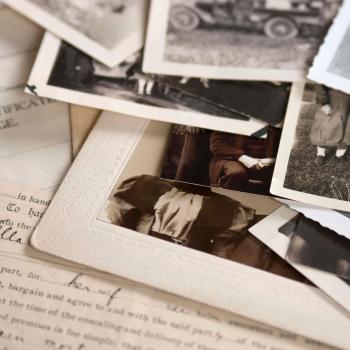
Rummaging for Fiction: Using Found Photographs and Notes to Spark Story Ideas
In this lesson, students use found notes and found photographs as inspiration to help them identify subjects, settings, characters, and conflicts for pieces of creative writing.
Grades
6 - 8
|
Lesson Plan
|
Standard Lesson
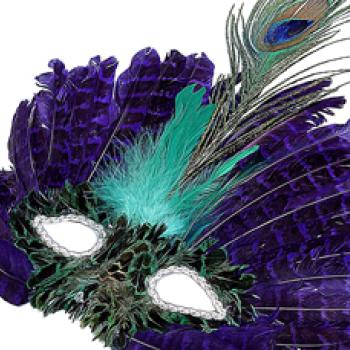
Polishing Preposition Skills through Poetry and Publication

Students deepen and refine their understanding of prepositions by reading Ruth Heller's Behind the Mask. They write preposition poetry and create a study guide using an online tool.

Cover to Cover: Comparing Books to Movies
Grades
6 - 8
|
Lesson Plan
|
Unit
Cover to Cover: Comparing Books to Movies
Students compare and analyze novels and the movies adapted from them. They design new DVD covers and a related insert for the movies, reflecting their response to the movie version.
Grades
9 - 12
|
Lesson Plan
|
Standard Lesson
Analyzing Grammar Pet Peeves

By analyzing Dear Abby's "rant" about bad grammar usage, students become aware that attitudes about race, social class, moral and ethical character, and "proper" language use are intertwined.
Students as Creators: Exploring Multimedia
Grades
6 - 8
|
Lesson Plan
|
Unit
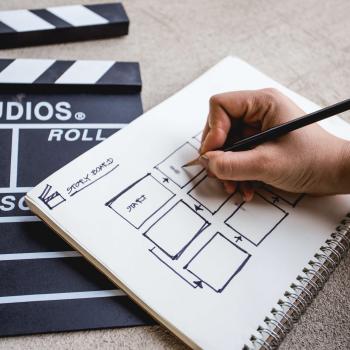
Students as Creators: Exploring Multimedia
Students are introduced to the genre of multimedia presentations through a review and analysis of online presentations. They then apply what they have learned to create their own multimedia presentations.
Gaining Background for the Graphic Novel <em>Persepolis</em>: A WebQuest on Iran
Grades
9 - 12
|
Lesson Plan
|
Standard Lesson
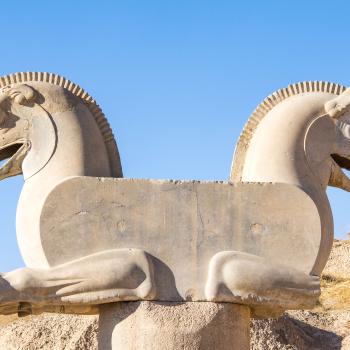
Gaining Background for the Graphic Novel Persepolis: A WebQuest on Iran

To prepare students for reading the graphic novel Persepolis, this lesson uses a WebQuest to focus students' research on finding reliable information about Iran before and during the Islamic Revolution.

It's My Life: Multimodal Autobiography Project
Grades
9 - 12
|
Lesson Plan
|
Unit
It's My Life: Multimodal Autobiography Project
Students express themselves verbally, visually, and musically by creating multimodal autobiographies, exchanging ideas with other students and sharing important events in their lives through PowerPoint presentations.

Connecting Past and Present: A Local Research Project
Grades
9 - 12
|
Lesson Plan
|
Unit
Connecting Past and Present: A Local Research Project
In this unit, students become active archivists, gathering photos, artifacts, and stories for a museum exhibit that highlights one decade in their school's history.

The Children's Picture Book Project
Grades
9 - 12
|
Lesson Plan
|
Unit
The Children's Picture Book Project

In this lesson students evaluate published children's picture storybooks. Students then plan, write, illustrate, and publish their own children's picture books.
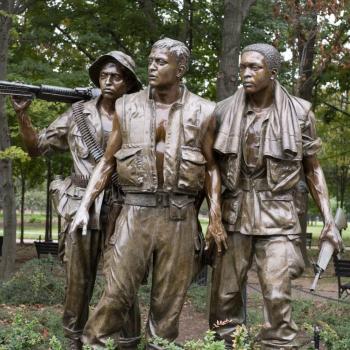
Love of War in Tim O'Brien's "How to Tell a True War Story"
Grades
9 - 12
|
Lesson Plan
|
Unit
Love of War in Tim O'Brien's "How to Tell a True War Story"
Students explore the theme of love of war through texts on camaraderie among soldiers. They then compose a visual collage depicting their beliefs about the relationship between love and war.

Assessing Cultural Relevance: Exploring Personal Connections to a Text
Grades
9 - 12
|
Lesson Plan
|
Standard Lesson
Assessing Cultural Relevance: Exploring Personal Connections to a Text
As a class, students evaluate a nonfiction or realistic fiction text for its cultural relevance to themselves personally and as a group.
Making It Visual for ELL Students: Teaching History Using <em>Maus</em>
Grades
9 - 12
|
Lesson Plan
|
Unit
Making It Visual for ELL Students: Teaching History Using Maus
Spark the engagement of English-language learners or reluctant readers with the graphic novel Maus. The visual information provided by the genre serves as a support for reading and critical engagement.

Pagination

  • First page « First
  • Previous page ‹‹
  • …
  • Page 4
  • Page 5
  • Page 6
  • Page 7
  • Page 8
  • Page 9
  • Page 10
  • Page 11
  • Page 12
  • …
  • Next page ››
  • Last page Last »

Explore Resources by Grade

  • KindergartenK
  • 1-2
  • 3-4
  • 5-6
  • 7-8
  • 9-10
  • 11-12

RWT-logo

Powered By NCTE

Footer 1 Menu

  • About
  • Classroom Resources
  • Professional Development
  • Collections
  • Contact Us

Footer 2 Menu

  • National Council of Teachers of English
  • Contribute to RWT
  • FAQs
  • Join NCTE

Footer 3 Menu

  • Legal Notices
  • Privacy Policy
  • Promotional Materials
  • Site Demonstrations

Want to stay in touch with RWT and NCTE? Sign up here!

  • Facebook
  • Twitter
  • Instagram
  • Pinterest
  • YouTube

© NCTE 2026. All rights reserved