ReadWriteThink - Powered by NCTE
  • About
  • Classroom Resources
    • Lesson Plans
    • Teaching Comics
    • Teaching With Primary Resources
    • Calendar
    • Printouts
    • Student Interactives
  • Collections
    • Assessment
    • Authors
    • Booklists
    • Media Literacy
    • Poetry
    • Primary Sources
    • Writing
  • Professional Development
    • Strategy Guides
    • Professional Library
    • Meetings & Events
  • Join NCTE
  • Contact Us
  • About
  • Classroom Resources
    • Lesson Plans
    • Teaching Comics
    • Teaching With Primary Resources
    • Calendar
    • Printouts
    • Student Interactives
  • Collections
    • Assessment
    • Authors
    • Booklists
    • Media Literacy
    • Poetry
    • Primary Sources
    • Writing
  • Professional Development
    • Strategy Guides
    • Professional Library
    • Meetings & Events
  • Join NCTE
  • Contact Us
  • Facebook
  • Twitter
  • Instagram
  • Pinterest
  • YouTube

Breadcrumb

  1. Home

Type

  • Classroom Resources
  • Professional Development

Grades

  • 1 (13)
  • 2 (13)
  • 3 (16)
  • 4 (13)
  • 5 (15)
  • 6 (13)
  • 7 (14)
  • 8 (18)
  • 9 (19)
  • 10 (18)
  • 11 (16)
  • 12 (16)
  • K (10)

Learning Objectives

  • (-) Spelling (11)
  • (-) text structure / story structure (29)
  • collaboration (54)
  • Comprehension (66)
  • critical thinking (70)
  • digital literacy (17)
  • Grammar (15)
  • inquiry / research (30)
  • listening (32)
  • literary analysis (67)
  • Media literacy (14)
  • metacognition (40)
  • multicultural awareness (19)
  • multimodal literacy (28)
  • oral communication (30)
  • phonological awareness (11)
  • print awareness (12)
  • reading fluency (11)
  • reading genres (37)
  • writing genres (84)
  • writing process (71)

Topics

  • (-) poetry
  • arts
  • careers
  • community
  • drama
  • ELL
  • Family
  • fiction
  • Mathematics
  • Mobile Learning
  • nonfiction
  • science
  • seasons / holidays
  • social action
  • social studies / history
  • Sports
  • STEM
Songs of Our Lives: Using Lyrics to Write Stories
Grades
5 - 10
|
Lesson Plan
|
Standard Lesson
Songs of Our Lives: Using Lyrics to Write Stories
Students learn about the life and music of John Lennon, write a short story from their lives integrating lyrics from some of their favorite songs, and create a class book of stories.

Sonic Patterns: Exploring Poetic Techniques Through Close Reading
Grades
9 - 12
|
Lesson Plan
|
Standard Lesson
Sonic Patterns: Exploring Poetic Techniques Through Close Reading

Students develop close reading skills connecting sound with sense in the poem "Those Winter Sundays," and write an original text that reflects their new learning.

Put That on the List: Independently Writing a Catalog Poem
Grades
9 - 12
|
Lesson Plan
|
Standard Lesson
Put That on the List: Independently Writing a Catalog Poem
In this follow-up to writing collaborative catalog poems, students write individual catalog poems about what really matters in their lives, based on Carver's poem "The Car."

Locating Purpose in Allusion through Art and Poetry
Grades
9 - 12
|
Lesson Plan
|
Standard Lesson
Locating Purpose in Allusion through Art and Poetry
Through this lesson, students will learn how to use the literary term "allusion" in discussing how and why authors and artists draw on and transform subject material.

Dr. Seuss's Sound Words: Playing with Phonics and Spelling
Grades
K - 2
|
Lesson Plan
|
Standard Lesson
Dr. Seuss's Sound Words: Playing with Phonics and Spelling
Boom! Br-r-ring! Cluck! Moo!—Everywhere you turn, you find exciting sounds. Students use these sounds to write their own poems based on Dr. Seuss's Mr. Brown Can MOO! Can You?

Alliteration in Headline Poems
Grades
6 - 8
|
Lesson Plan
|
Minilesson
Alliteration in Headline Poems
Students will be introduced to the term alliteration and create a headline poem consisting of 25 words that contain at least three examples of alliteration.
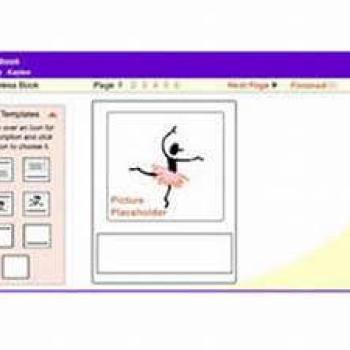
Stapleless Book
Grades
K - 12
|
Student Interactive
|
Writing & Publishing Prose
Stapleless Book

The Stapleless Book can be used for taking notes while reading, making picture books, collecting facts, or creating vocabulary booklets . . . the possibilities are endless!
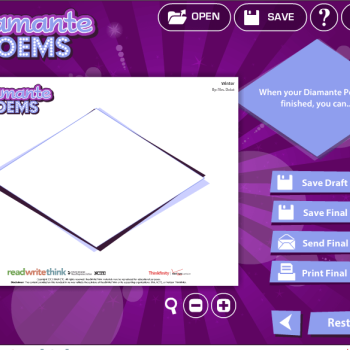
Diamante Poems
Grades
K - 12
|
Student Interactive
|
Writing Poetry
Diamante Poems

This online tool enables students to learn about and write diamante poems.
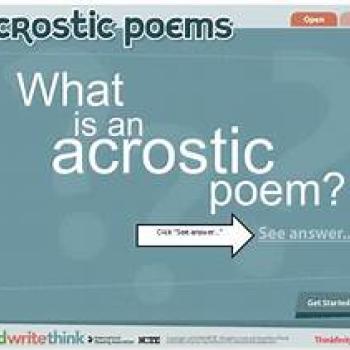
AcrosticPoem
Grades
K - 12
|
Student Interactive
|
Writing Poetry
Acrostic Poems

This online tool enables students to learn about and write acrostic poems. Elements of the writing process are also included.
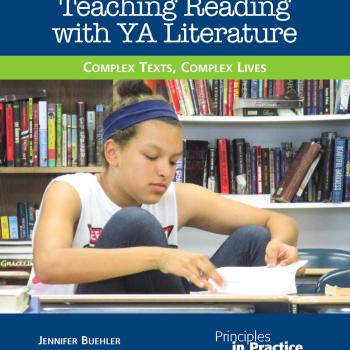
Teaching Reading with YA Literature: Complex Texts, Complex Lives
Grades
6 - 12
|
Professional Library
|
Book
Teaching Reading with YA Literature: Complex Texts, Complex Lives

This book is designed to help teachers develop their own version of YA pedagogy and a vision for teaching YA lit in the middle and secondary classroom.

Sherman Alexie in the Classroom: "This is not a silent movie. Our voices will save our lives."
Grades
8 - 12
|
Professional Library
|
Book
Sherman Alexie in the Classroom: "This is not a silent movie. Our voices will save our lives."
Provides high school teachers with teaching strategies, classroom activities, and student samples for teaching the works of Sherman Alexie.
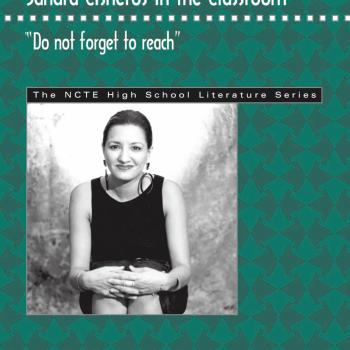
Sandra Cisneros in the Classroom: "Do not forget to reach"
Grades
8 - 12
|
Professional Library
Sandra Cisneros in the Classroom: "Do not forget to reach"
The third volume in the NCTE High School Literature Series explores the joys of reading and teaching the stories and poems of noted Mexican American author Sandra Cisneros.
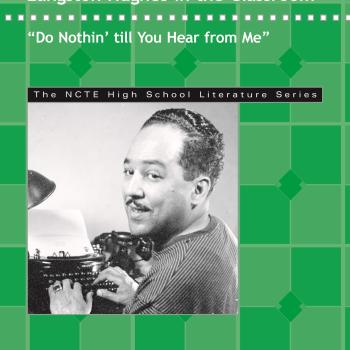
Langston Hughes in the Classroom: "Do Nothin' till You Hear from Me"
Grades
8 - 12
|
Professional Library
|
Book
Langston Hughes in the Classroom: "Do Nothin' till You Hear from Me"
Carmaletta M. Williams provides high school teachers with background on Hughes and the Harlem Renaissance as well as help in teaching Hughes's poetry, short stories, novels, and autobiography.
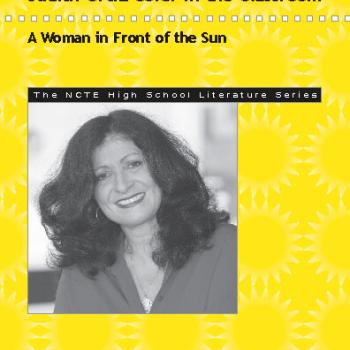
Judith Ortiz Cofer in the Classroom: A Woman in Front of the Sun
Grades
8 - 12
|
Professional Library
|
Book
Judith Ortiz Cofer in the Classroom: A Woman in Front of the Sun
Carol Jago offers ways to teach the works of Judith Ortiz Cofer in the high school English classroom.
Depend on the Text! How to Create Text-Dependent Questions
Grades
Grades
1 - 3
|
Strategy Guide
Depend on the Text! How to Create Text-Dependent Questions
Teachers need to create text-dependent questions to elicit close reading. When answering these questions, students learn to reread and think deeply about the text.

Promote Deep Thinking! How to Choose a Complex Text
Grades
Grades
1 - 3
|
Strategy Guide
Promote Deep Thinking! How to Choose a Complex Text
Complex texts promote deep thinking and critical analysis by students. Through close reading of a complex text, students' independent reading abilities also increase.

Get Close to Think Deeply: Creating Primary-Level Close Readings
Grades
Grades
1 - 3
|
Strategy Guide
Get Close to Think Deeply: Creating Primary-Level Close Readings
Close readings allow primary students to engage with complex texts. Through repeated reading, students build a deep understanding of the text and critical thinking skills.
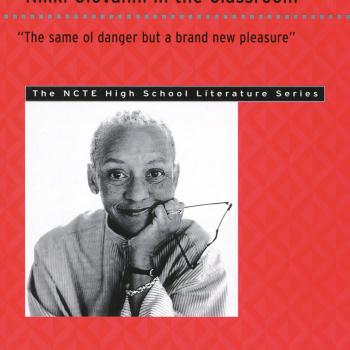
Nikki Giovanni in the Classroom: "The same ol' danger but a brand new pleasure"
Grades
9 - 12
|
Professional Library
|
Book
Nikki Giovanni in the Classroom: "The same ol' danger but a brand new pleasure"
The first volume in the NCTE High School Literature Series, this small, practical book features primary source materials including many of Giovanni's poems reprinted in full, easily adaptable lessons and activities, and a resource section for students and teachers wishing to study Giovanni further.
Analyzing and Comparing Medieval and Modern Ballads
Grades
9 - 12
|
Lesson Plan
|
Standard Lesson
Analyzing and Comparing Medieval and Modern Ballads
Students explore the ballads genre by reading medieval ballads to deduce their characteristics, acting out the ballads, comparing medieval and modern ballads using Venn diagrams, and composing their own ballads.
Grades
3 - 5
|
Lesson Plan
|
Recurring Lesson
Sort, Hunt, Write: A Weekly Spelling Program
It's easy to make spelling fun. Using a variety of activities from sorting to using words in context will help deepen students' understanding of word patterns.

Pagination

  • Page 1
  • Page 2
  • Next page ››
  • Last page Last »

Explore Resources by Grade

  • KindergartenK
  • 1-2
  • 3-4
  • 5-6
  • 7-8
  • 9-10
  • 11-12

RWT-logo

Powered By NCTE

Footer 1 Menu

  • About
  • Classroom Resources
  • Professional Development
  • Collections
  • Contact Us

Footer 2 Menu

  • National Council of Teachers of English
  • Contribute to RWT
  • FAQs
  • Join NCTE

Footer 3 Menu

  • Legal Notices
  • Privacy Policy
  • Promotional Materials
  • Site Demonstrations

Want to stay in touch with RWT and NCTE? Sign up here!

  • Facebook
  • Twitter
  • Instagram
  • Pinterest
  • YouTube

© NCTE 2026. All rights reserved