Striking images can leave lasting impressions on viewers. In this lesson, students make textselfworld connections to a nature- or science-related topic as they collaboratively design a multimedia presentation.

Digital Reflections: Expressing Understanding of Content Through Photography

A-Z: Learning About the Alphabet Book Genre
Students increase their understanding of alphabet books by participating in a variety of reading and writing activities.

Media Literacy: Examining the World of Television Teens
Pop culture and the classroom collide in this lesson when students go behind the scenes to analyze a television series for characterization to use in an original television show proposal.

Slipping, Sliding, Tumbling: Reinforcing Cause and Effect Through Diamante Poems
Writing, revising, and publishing are just a few of the tasks students will complete in order to take their cause-and-effect diamante poems from an idea to a reality.

Music and Me: Visual Representations of Lyrics to Popular Music
Students will whistle while they work on this lesson, creating a photomontage movie of their interpretation of a favorite song's lyrics that will end everyone's day on a high note.

Sharing Favorite Books Using Interactive Character Trading Cards
Using selected characters from a text of their choice, students put their literary analysis skills to work by creating fictional character trading cards.
Bingo! Using Environmental Print to Practice Reading
The game Bingo is transformed in this lesson in which students use symbols and images to make connections to environmental print through the use of personalized Bingo cards.
Reading Informational Texts Using the 3-2-1 Strategy
Students can count on using the 3-2-1 strategy to help them successfully comprehend and write about an informational text.

Stop Signs, McDonald's, and Cheerios: Writing With Environmental Print
Students use logos from everyday life to identify individual letters and then create their own captions for the images.

Blast Off! Vocabulary Instruction Using a Virtual Moon Trip
3, 2, 1... Blast off! Students learn new vocabulary by taking a virtual field trip to the moon, read-alouds, creating a picture dictionary, and completing a final writing activity.

A Race With Grace: Sports Poetry in Motion
In this lesson, athletics, aesthetics, and poetics intersect in new ways as developing literacy learners experiment together with the forms of language.

Action ABC's: Learning Vocabulary With Verbs
Creating an illustrated alphabet book of action words, from attack to zap, reinforces the definition of verbs as it stretches and expands students' vocabulary.

Multipurpose Poetry: Introducing Science Concepts and Increasing Fluency
Creepy crawlers, hoppers, and fliers are the focus of this lesson in which students chorally read poems about insects and use the Internet to locate facts about their assigned insects.
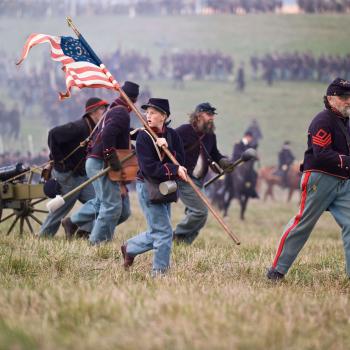
Comparing Electronic and Print Texts About the Civil War Soldier
Which side will win as students investigate both sides of the battle of using print versus online text for research as they learn about the lives of Civil War soldiers?
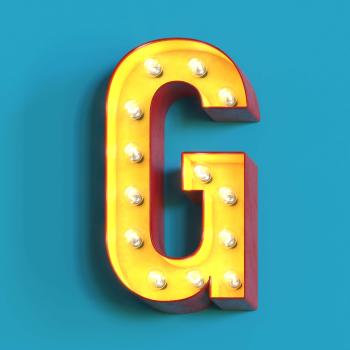
Using Folk Tales: Vowel Influences on the Letter G
Gentle, gigantic, gracefuldo these g words describe the giant in Jack and the Beanstalk? Students will explore the hard and soft g sounds by studying fairy tales and animals.
Student of the Day: Create Sound/Letter Understanding With Names
Name games make learning letters fun and interactive in this lesson where students get to know more about each other as they spell out their classmates' names.

Exploring Compare and Contrast Structure in Expository Texts
Students build their understanding of the terms compare and contrast by participating in class discussions, using Internet resources, working collaboratively, and by visually representing information in a Venn diagram.
My World of Words: Building Vocabulary Lists
Working in small groups, students select vocabulary words and research their meanings. In a culminating activity that uses text and illustration, each student creates a "My World of Words Journal."
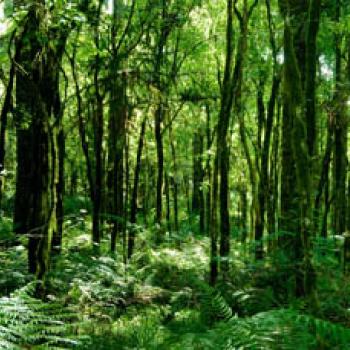
Teaching Science Through Picture Books: A Rainforest Lesson
Students read Welcome to the Green House, use note-taking strategies, find patterns in text structure, learn vocabulary in context, and write efferent and affective responses to the text.
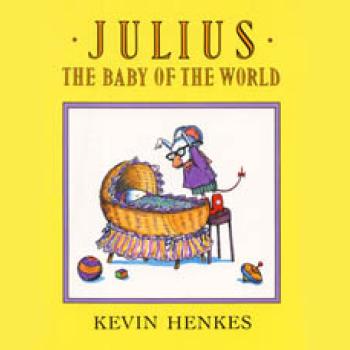
Text Talk: Julius, the Baby of the World
Students are asked to "talk" with Kevin Henkes' Julius, the Baby of the World by using open-ended questions to help them interpret the language, plot, and characters of the story.