ReadWriteThink - Powered by NCTE
  • About
  • Classroom Resources
    • Lesson Plans
    • Teaching Comics
    • Teaching With Primary Resources
    • Calendar
    • Printouts
    • Student Interactives
  • Collections
    • Assessment
    • Authors
    • Booklists
    • Media Literacy
    • Poetry
    • Primary Sources
    • Writing
  • Professional Development
    • Strategy Guides
    • Professional Library
    • Meetings & Events
  • Join NCTE
  • Contact Us
  • About
  • Classroom Resources
    • Lesson Plans
    • Teaching Comics
    • Teaching With Primary Resources
    • Calendar
    • Printouts
    • Student Interactives
  • Collections
    • Assessment
    • Authors
    • Booklists
    • Media Literacy
    • Poetry
    • Primary Sources
    • Writing
  • Professional Development
    • Strategy Guides
    • Professional Library
    • Meetings & Events
  • Join NCTE
  • Contact Us
  • Facebook
  • Twitter
  • Instagram
  • Pinterest
  • YouTube

Breadcrumb

  1. Home

Type

  • Classroom Resources
  • Professional Development

Grades

  • 1 (2)
  • 2 (2)
  • 3 (4)
  • 4 (7)
  • 5 (11)
  • 6 (12)
  • 7 (12)
  • 8 (12)
  • 9 (10)
  • 10 (10)
  • 11 (10)
  • 12 (10)
  • K (2)

Learning Objectives

  • (-) Vocabulary (16)
  • collaboration (48)
  • Comprehension (46)
  • critical thinking (93)
  • digital literacy (22)
  • Grammar (2)
  • inquiry / research (58)
  • listening (20)
  • literary analysis (25)
  • Media literacy (20)
  • metacognition (48)
  • multicultural awareness (31)
  • multimodal literacy (32)
  • oral communication (37)
  • print awareness (6)
  • reading fluency (3)
  • reading genres (24)
  • Spelling (2)
  • text structure / story structure (13)
  • writing genres (40)
  • writing process (25)

Topics

  • (-) social action
  • (-) STEM
  • arts
  • careers
  • community
  • drama
  • ELL
  • Family
  • fiction
  • Mathematics
  • Mobile Learning
  • nonfiction
  • poetry
  • science
  • seasons / holidays
  • social studies / history
  • Sports
Language  and Power in <em>The Handmaid's Tale</em> and the World
Grades
9 - 12
|
Lesson Plan
|
Standard Lesson
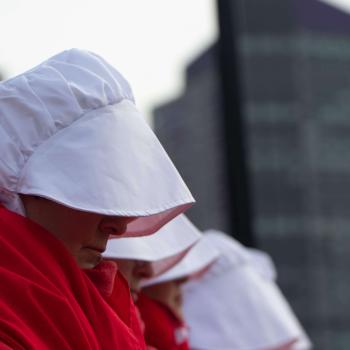
Language and Power in The Handmaid's Tale and the World
Students work in small groups to examine Margaret Atwood's use of and observations about language in The Handmaid's Tale. Through this activity, students discover and articulate overarching thematic trends in the book and then can extend their observations about official or political language to examples from their own world.
Moving Toward Acceptance Through Picture Books and Two-Voice Texts
Grades
3 - 5
|
Lesson Plan
|
Unit
Moving Toward Acceptance Through Picture Books and Two-Voice Texts
Students read and discuss literature about intolerance and diversity. They work with a partner to write two-voice poems that illustrate situations of intolerance at their school and suggest a step toward acceptance.
Entering History: Nikki Giovanni and Martin Luther King, Jr.
Grades
6 - 8
|
Lesson Plan
|
Standard Lesson
Entering History: Nikki Giovanni and Martin Luther King, Jr.
Nikki Giovanni's poem "The Funeral of Martin Luther King, Jr." is paired with Dr. King's "I Have a Dream" speech, taking students on a quest through time to the Civil Rights movement.

Grades
9 - 12
|
Lesson Plan
|
Standard Lesson
Avoiding Sexist Language by Using Gender-Fair Pronouns
Students engage in a brief writing assignment that concretely illustrates how language and gender stereotyping interact causally.
Vocabulary Solutions: A Mixture of Science, Conversation, and Writing
Grades
3 - 5
|
Lesson Plan
|
Standard Lesson
Vocabulary Solutions: A Mixture of Science, Conversation, and Writing
In this lesson, students conduct a science experiment and later discuss the events of the lab during shared writing. Students explain the procedure in their own words and then revise to include content specific vocabulary. Finally, students reflect on new words added to their writing using the Trading Card Creator interactive.
A-B-C:  It's Easy as 1-2-3 to Make Math Alphabet Books
Grades
4 - 8
|
Lesson Plan
|
Standard Lesson
A-B-C: It's Easy as 1-2-3 to Make Math Alphabet Books
Using the Alphabet Organizer app, students create alphabet books to review math terms.
RAFT Writing Template
Grades
5 - 12
|
Printout
|
Writing Starter
RAFT Writing Template
Students can utilize this printout to organize their writing as they learn to use the RAFT strategy. This printout enables students to clearly define their role, audience, format, and topic for writing.
Seed Discussion Organizer
Grades
5 - 12
|
Printout
|
Graphic Organizer
Seed Discussion Organizer
Students can utilize this printout to organize their thoughts as a new concept or content is introduced through a Seed Discussion. This printout readies students to acquire new knowledge by organizing what they know and what they're prepared to learn.
Introducing New Content with Seed Discussions
Grades
Grades
5 - 12
|
Strategy Guide
Introducing New Content with Seed Discussions
In this strategy guide, you'll learn how to elicit ideas and conversation about new concepts or content by effectively holding a Seed Discussion in your classroom.
Brainstorming and Reviewing Using the Carousel Strategy
Grades
Grades
5 - 12
|
Strategy Guide
Brainstorming and Reviewing Using the Carousel Strategy
This strategy guide introduces Carousel Brainstorming, also known as Rotating Review, and offers suggestions to implement this technique in your classroom for brainstorming about new topics or reviewing learned information.
Developing Academic Vocabulary
Grades
Grades
K - 12
|
Strategy Guide Series
Developing Academic Vocabulary
In this Strategy Guide Series, you'll find creative and compatible ways to build, maintain, and extend students' vocabulary across academic disciplines.
Using Word Walls to Develop and Maintain Academic Vocabulary
Grades
Grades
K - 12
|
Strategy Guide
Using Word Walls to Develop and Maintain Academic Vocabulary
In this guide, you will learn how to use Word Walls to support vocabulary development and retention.
Using Generative Sentences to Apply Academic Vocabulary
Grades
Grades
4 - 12
|
Strategy Guide
Using Generative Sentences to Apply Academic Vocabulary
In this guide, you will learn how to use generative sentences to give students opportunities to apply their knowledge of new words in writing.

Grades
6 - 8
|
Lesson Plan
|
Standard Lesson
Persuading the Principal: Writing Persuasive Letters About School Issues
Students learn that you don't have to raise your voice to raise a point. Writing a persuasive letter to your principal is a great way to get your opinions heard.

A Portrait of Our World: Making Connections and Developing Comprehension
Grades
6 - 8
|
Lesson Plan
|
Unit
A Portrait of Our World: Making Connections and Developing Comprehension

Students engage in carousel walks, character analyses, global explorations, and genre studies while using valuable language arts strategies to build higher-level comprehension skills.

WorldReadAloudDay
Grades
4 - 12
|
Calendar Activity
|
Literacy-Related Event
Today is World Read Aloud Day.

Students celebrate the power of words by reading aloud to their classmates and spreading the word of global literacy to their friends and family.

Explore Resources by Grade

  • KindergartenK
  • 1-2
  • 3-4
  • 5-6
  • 7-8
  • 9-10
  • 11-12

RWT-logo

Powered By NCTE

Footer 1 Menu

  • About
  • Classroom Resources
  • Professional Development
  • Collections
  • Contact Us

Footer 2 Menu

  • National Council of Teachers of English
  • Contribute to RWT
  • FAQs
  • Join NCTE

Footer 3 Menu

  • Legal Notices
  • Privacy Policy
  • Promotional Materials
  • Site Demonstrations

Want to stay in touch with RWT and NCTE? Sign up here!

  • Facebook
  • Twitter
  • Instagram
  • Pinterest
  • YouTube

© NCTE 2026. All rights reserved