Students complete a short survey to establish their beliefs about technology. They compare their opinions to the ideas in a novel that depicts technology (such as 1984 or Fahrenheit 451).

Paying Attention to Technology: Exploring a Fictional Technology

Life's Journeys: Help Along the Way
Tap into teen and preteen readers' interest in adolescent-mentor relationships with these recommendations!

Teaching with Zooming Slideshows through Prezi
Through Prezi, a web application, students create "zooming" presentations for various purposes, such as presenting research, defending an opinion, or sharing a digital story.
Bringing Lessons to Life with Animoto
Using Animoto, a free Web 2.0 tool, students can develop short digital videos that include music, photos, video clips, and text as well as share their creations electronically.

Speak to Me: Teaching with Voki
Through Voki, a Web 2.0 tool, students create customizable avatars for class presentations for various purposes, such as presenting biographical information, expressing an opinion, or reading a poem.

Technology and Copyright Law: A "Futurespective"
Students research and report on instances of how copyright laws have adapted to encompass new technologies. They write articles predicting copyright issues that may arise with new and future technologies.

Four Simple Steps to Small-Group Guided Writing
Students will go batty about the three writing strategies they learn in this lesson centered on Nicola Davies' Bat Loves the Night.

Earth Verse: Using Science in Poetry
Students shape up their reading, writing, and listening skills in this lesson by creating original diamante, acrostic, and shape poems about science.

Critical Literacy in Action: Multimodal Texts on Global Warming
Students will really warm up to this lesson about global warming as they study multimedia materials and use a variety of comprehension strategies.
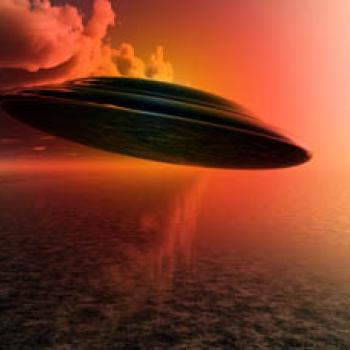
Hoax or No Hoax? Strategies for Online Comprehension and Evaluation
Are your students easily fooled? You'll find out in this lesson in which students carefully and critically examine hoax websites to determine their validity.
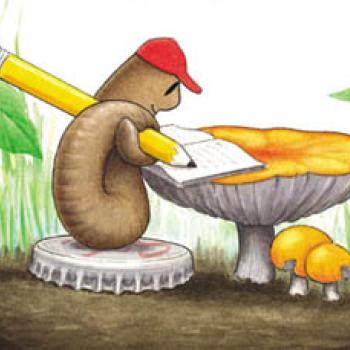
Fact or Fiction: Learning About Worms Using Diary of a Worm
Students often believe that fiction writers make everything up, seldom realizing how research worms its way into entertaining writing. In this lesson, students read Diary of a Worm to find out how fact merges with fiction.

Astronomy Poetry: Combining Poetry With the Content Areas
Students' responses to this lesson will be out of this world after they've researched astronomy to write poetry and compile a poetry book.

Using Science Texts to Teach the Organizational Features of Nonfiction
Students explore organizational features of nonfiction science. Students then work together to create a two-page spread using those features to present information about their local environment.

Engineering the Perfect Poem by Using the Vocabulary of STEM
Students research engineering careers and create poetry to understand the vocabulary of STEM (science, technology, engineering, and mathematics).

Reading Through Different Lenses: Making Text Connections Across the Curriculum
Students learn to comprehend the linguistic text styles of different content areas and use the interactive ReadWriteThink Notetaker tool as the teacher models the exercise.
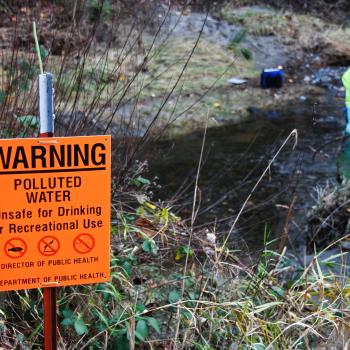
Reading and Writing About Pollution to Understand Cause and Effect
Students get to write a whale of a tale when they complete a graphic organizer sequencing the journey of a mountain fish to a polluted waterway.
Multimedia Responses to Content Area Topics Using Fact-"Faction"-Fiction
Students climb into the mind of a spider in this lesson that asks them to compose a spider diary using spider facts, fiction, and "faction"fiction that sounds like fact.

Using THIEVES to Preview Nonfiction Texts
Students become "thieves" in this lesson as they use a previewing strategy to "steal" information from textbooks and other nonfiction texts before actually reading them.

From Fact to Fiction: Drawing and Writing Stories
Students gather factual information about frogs and toads to create nonfiction and fiction stories. Drawing is used for prewriting.
The Big, Bad Wolf...Is This a Fact?
Reading is revamped in this lesson in which students use a multimedia approach to study the books by Seymour Simon.