Through Prezi, a web application, students create "zooming" presentations for various purposes, such as presenting research, defending an opinion, or sharing a digital story.

Teaching with Zooming Slideshows through Prezi

Bringing Lessons to Life with Animoto
Using Animoto, a free Web 2.0 tool, students can develop short digital videos that include music, photos, video clips, and text as well as share their creations electronically.

Speak to Me: Teaching with Voki
Through Voki, a Web 2.0 tool, students create customizable avatars for class presentations for various purposes, such as presenting biographical information, expressing an opinion, or reading a poem.

Technology and Copyright Law: A "Futurespective"
Students research and report on instances of how copyright laws have adapted to encompass new technologies. They write articles predicting copyright issues that may arise with new and future technologies.

Copyright Law: From Digital Reprints to Downloads
Students investigate how and why copyright law has changed over time, and apply this information to recent copyright issues, creating persuasive arguments based on the perspective of a particular group.

It's My Life: Multimodal Autobiography Project
Students express themselves verbally, visually, and musically by creating multimodal autobiographies, exchanging ideas with other students and sharing important events in their lives through PowerPoint presentations.
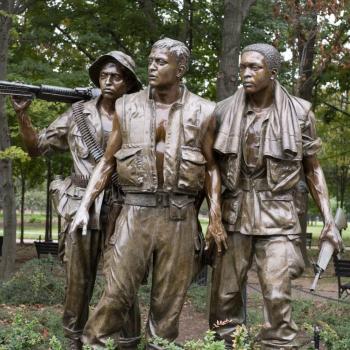
Love of War in Tim O'Brien's "How to Tell a True War Story"
Students explore the theme of love of war through texts on camaraderie among soldiers. They then compose a visual collage depicting their beliefs about the relationship between love and war.

Cultural Connections and Writing for Change
A little understanding can go a long way. After learning about difficulties that Palestinian youths face, students will write a letter to an official discussing these issues.
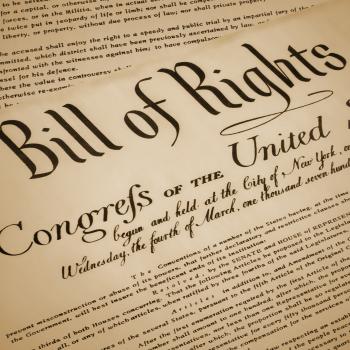
What Are My Rights? Exploring and Writing About the Constitution
Students speak up in this lesson about rights, examining the Constitution in the context of issues that affect their everyday lives.
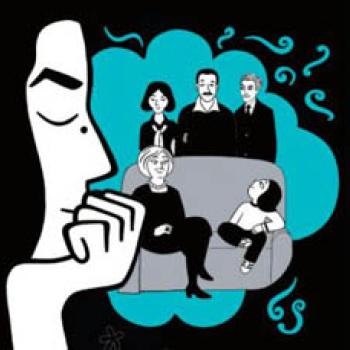
Pictures Tell the Story: Improving Comprehension With Persepolis
Students get the big picture of the Middle East when they read and analyze Marjane Satrapi's graphic novel Persepolis.

Get the GIST: A Summarizing Strategy for Any Content Area
GIST is a summarizing technique that can be used in any content area. Students will learn and apply the strategy while doing online research and writing activities on news stories.

Exploring Disability Using Multimedia and the B-D-A Reading Strategy
History takes on new dimensions in this interactive multimedia lesson that emphasizes the B-D-A approach to research as students investigate the experiences of people with disabilities since the early 1800s.

Analyzing the Purpose and Meaning of Political Cartoons
It is important for students to know how to evaluate messages conveyed by the news media. Exploration of the artistic techniques used in political cartoons leads to critical questioning.
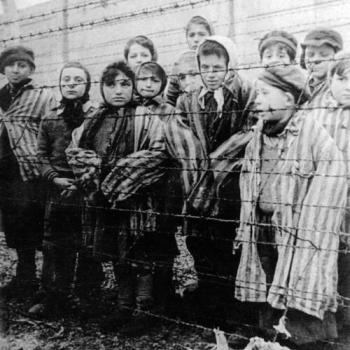
Using Technology to Analyze and Illustrate Symbolism in Night
Images have power—they can trigger memories or symbolize abstract ideas. Students put the power of images to the test as they analyze symbolism in Night and create symbolic photomontages.
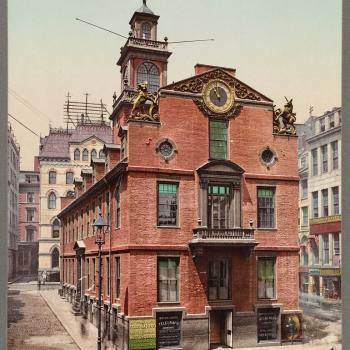
Using Pictures to Build Schema for Social Studies Content
How do you read an image? Students find out in this lesson in which they "read" several images of the Boston Massacre to better understand the event and recognize effects of propaganda.
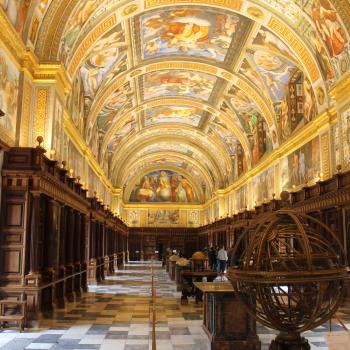
A World of Readers: Libraries Around the World
Bookworms will enjoy the bytes they find in this lesson as they research and share information about online library services in places around the world.

Developing Searching, Skimming, and Scanning Skills With Internet Bingo
Student pairs aim to be the first team to call out "bingo" in this lesson in which they use skimming and scanning to locate information about ancient Greece and Rome.

Guided Comprehension in Action: Teaching Summarizing With the Bio-Cube
Students learn the ins and outs of writing biographies by researching a contemporary or historical figure and writing a summary.

Digital Reflections: Expressing Understanding of Content Through Photography
Striking images can leave lasting impressions on viewers. In this lesson, students make textselfworld connections to a nature- or science-related topic as they collaboratively design a multimedia presentation.

Play Ball! Encouraging Critical Thinking Through Baseball Questions
Cooperation and critical thinking are the name of the game as students use baseball facts they find online to create trivia questions for a class Jeopardy game.