Students become "thieves" in this lesson as they use a previewing strategy to "steal" information from textbooks and other nonfiction texts before actually reading them.

Using THIEVES to Preview Nonfiction Texts

Traveling Terrain: Comprehending Nonfiction Text on the Web
Students locate specific information, identify text features of nonfiction text, and write to generalize information on related topics.

Critical Media Literacy: Commercial Advertising
By looking at advertising and mass media critically, students begin to understand how the media oppresses certain groups, convinces people to purchase certain products, and influences culture.

Critical Media Literacy: TV Programs
By critically analyzing popular television programs, students develop an awareness of the messages that are portrayed through the media.

Exploring World Cultures Through Folk Tales
Journey around the world with students as they read a Japanese, African, or Welsh folk tale, create a visual depiction of the tale, research the tale's culture, and present findings.
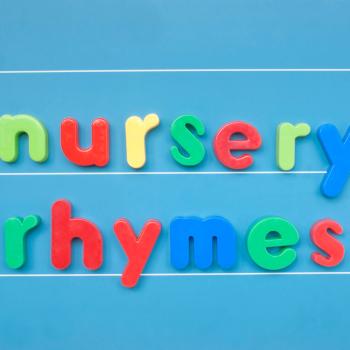
The Two Voices of the ow Spelling Pattern
Variable vowels are the focus of this lesson; students use nursery rhymes and ow to study how vowels can change their sounds according to different spelling patterns.

Analyzing Character Development in Three Short Stories About Women
Students read three short stories about women; discuss the development of female characters, gender differences, and society's expectations; and write scripts in which the characters discuss their similarities and differences.
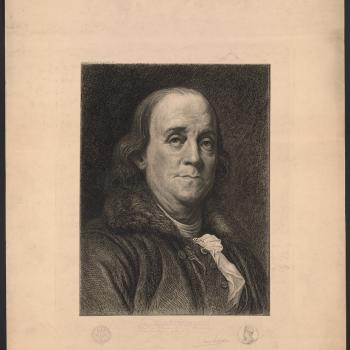
History Comes Alive: Developing Fluency and Comprehension Using Social Studies
Let the power of imagination and inference serve as a "time machine" to bring Benjamin Franklin into the classroom! History and science come to life in a dialogue with Franklin the inventor, developed through lesson activities that incorporate research, imagination, writing, visual arts, and drama.

Once They're Hooked, Reel Them In: Writing Good Endings
It's important to "hook" readers at a story's beginning, but it's equally important to keep them interested. In this lesson, students learn to write effective conclusions to their own stories.
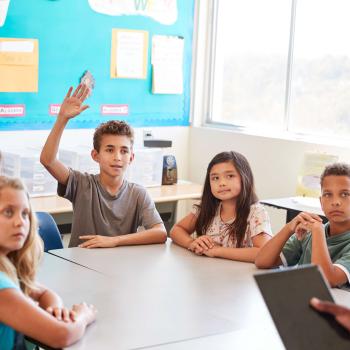
Building a Learning Community: Crafting Rules for the Classroom
Students will learn to mind their ps and qs in this lesson on etiquette and appropriate behavior in the classroom.

Is Superman Really All That Super? Critically Exploring Superheroes
What makes a superhero super? By comparing popular culture superheroes with heroic characters in children's literature, students learn to think critically about character traits, and consider how cultural perspectives influence the kinds of heroes we choose.

Digital Reflections: Expressing Understanding of Content Through Photography
Striking images can leave lasting impressions on viewers. In this lesson, students make textselfworld connections to a nature- or science-related topic as they collaboratively design a multimedia presentation.

A-Z: Learning About the Alphabet Book Genre
Students increase their understanding of alphabet books by participating in a variety of reading and writing activities.

Two Thumbs Up! Get Students Writing and Publishing Book Reviews
Students evaluate book reviews written by other children, discussing their components and effectiveness, and write reviews of favorite books to record on video or post online.
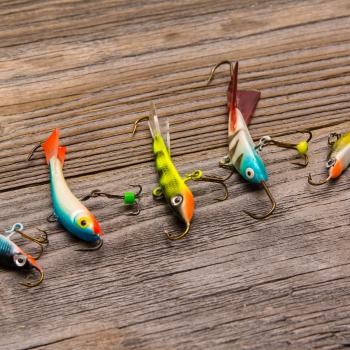
Fishing for Readers: Identifying and Writing Effective Opening "Hooks"
Good writers "hook" their readers in the very first sentences. In this lesson, students learn how to cast an attention-grabbing hook in their writing to effectively draw in readers' attention.

Media Literacy: Examining the World of Television Teens
Pop culture and the classroom collide in this lesson when students go behind the scenes to analyze a television series for characterization to use in an original television show proposal.

Slipping, Sliding, Tumbling: Reinforcing Cause and Effect Through Diamante Poems
Writing, revising, and publishing are just a few of the tasks students will complete in order to take their cause-and-effect diamante poems from an idea to a reality.

Music and Me: Visual Representations of Lyrics to Popular Music
Students will whistle while they work on this lesson, creating a photomontage movie of their interpretation of a favorite song's lyrics that will end everyone's day on a high note.

Using Picture Books to Explore Identity, Stereotyping, and Discrimination
Students analyze the concepts of identity, stereotyping, and discrimination by reading picture books; identify how these concepts are dealt with in each book; and discuss concrete actions to stop discrimination.
Reading Informational Texts Using the 3-2-1 Strategy
Students can count on using the 3-2-1 strategy to help them successfully comprehend and write about an informational text.