Students learn about the life and music of John Lennon, write a short story from their lives integrating lyrics from some of their favorite songs, and create a class book of stories.

Songs of Our Lives: Using Lyrics to Write Stories

The Mysteries of Harris Burdick: Using Illustrations to Guide Writing
Students use illustrations from The Mysteries of Harris Burdick as a guide to write mysteries
and then present their stories to the class for students to discuss to which illustration each
story corresponds.
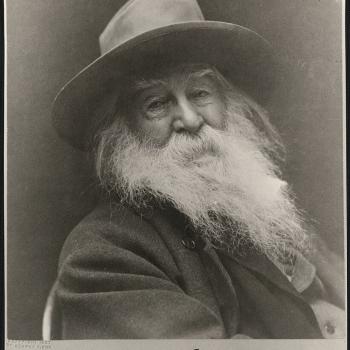
Walt Whitman as a Model Poet: "I Hear My School Singing"
Students first analyze Walt Whitman's "I Hear America Singing," then use Whitman's poem as a model as they create their own list poems.

The Feature Story—Fifteen Minutes (and 500 Words) of Fame!
Students learn how to differentiate between a news story and a feature story by writing a profile of a classmate.
Communicating on Local Issues: Exploring Audience in Persuasive Letter Writing
Students will research a local issue, and then write letters to two different audiences, asking readers to take a related action or adopt a specific position on the issue.

Our Classroom: Writing an Owner's Manual
Students write an owner's manual that helps them get to know their classroom, provides them with a sense of ownership, and lets others know about their classroom.
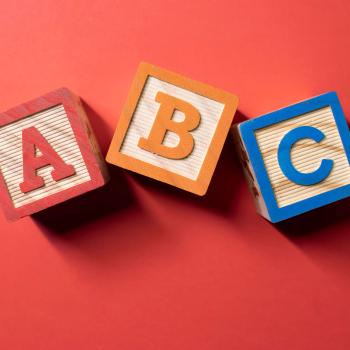
Our Community: Creating ABC Books as Assessment
Students create alphabet books, which are used as an integrated assessment with science, health, social studies, and any other content area. This lesson plans looks at the theme of community.

Looking at Landmarks: Using a Picture Book to Guide Research
This lesson uses Ben's Dream by Chris Van Allsburg to highlight ten major landmarks of the world. Students research the landmarks and present their findings to the class.

Creating Classroom Community by Crafting Themed Poetry Collections
Students create poetry collections with the theme of "getting to know each other." They study and then write a variety of forms of poetry to include in their collections.
Making Connections to Myth and Folktale: The Many Ways to Rainy Mountain
Following the model of N. Scott Momaday's The Way To Rainy Mountain, students write three-voice narratives based on Kiowa folktales, an interview with an Elder, and personal connections to theme.
Unlocking the Underlying Symbolism and Themes of a Dramatic Work
This lesson plan invites students to consider characters from Lorraine Hansberry's A Raisin in the Sun. Students explore a selected character and write poems about objects associated with that character.
Living the Dream: 100 Acts of Kindness
This lesson provides the "action piece" for any study of Dr. Martin Luther King, Jr. In this project, students participate in Dr. King's dream by doing 100 acts of kindness.

Novel News: Broadcast Coverage of Character, Conflict, Resolution, and Setting
This twist on readers theater has students prepare original news programs based on incidents in a recent reading, as they explore standard literary elements of character, conflict, resolution, and setting.
Audience & Purpose: Evaluating Disney's Changes to the Hercules Myth
What drives changes to classic myths and fables? In this lesson students evaluate the changes Disney made to the myth of "Hercules" in order to achieve their audience and purpose.

Exploring the Power of Language with Six-Word Memoirs
What do the words we write really have to say about us? In this lesson, students examine the power of word choice as they write six-word memoirs of their lives.

A Getting-Acquainted Activity Using My Teacher's Secret Life
Students build classroom community as they get to know each other and their teacher better by sharing what they like to do outside school.

Introducing Each Other: Interviews, Memoirs, Photos, and Internet Research
Students use their communication and writing skills as they interview a partner, write an article about them, and create a multimodal presentation to introduce their partner to the class.
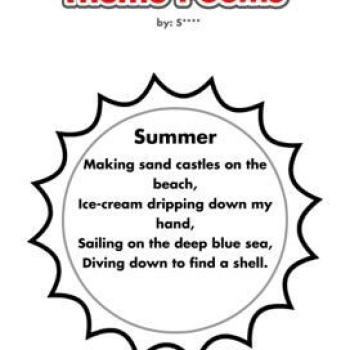
Theme Poems
Formerly known as Shape Poems, this online tool allows elementary students to write poems in various shapes.

RAFT Writing Template
Students can utilize this printout to organize their writing as they learn to use the RAFT strategy. This printout enables students to clearly define their role, audience, format, and topic for writing.
Using the RAFT Writing Strategy
This strategy guide introduces the RAFT technique and offers practical ideas for using this technique to teach students to experiment with various perspectives in their writing.