Families are all about connections between people. In this lesson, students read three books about different families and make text-to-self, text-to-text, and text-to-world connections to those texts.

Family Ties: Making Connections to Improve Reading Comprehension
MyTube: Changing the World With Video Public Service Announcements
This assignment will go viral with students as they think about the meanings of words and images in public service announcements from YouTube before creating a PSA of their own.
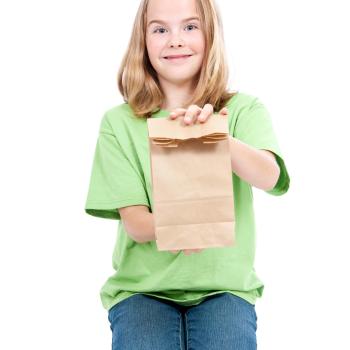
BioBags: Linking Literature and Life
Students create BioBags, a collection of texts that mark special times in their lives. BioBags provide a way for students to share a variety of events and texts.

Blogging With Photovoice: Sharing Pictures in an Integrated Classroom
Make the most of your students' diverse ability levels and experience with a prewriting activity in which they describe an abstract idea using blogging and photographs that they have taken.
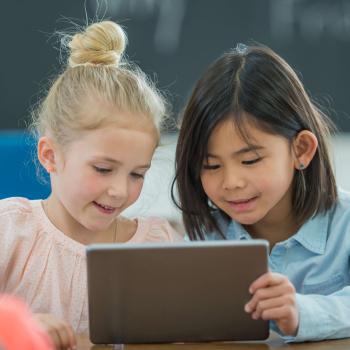
Shared Experiences, Individual Impressions: Buddies Create PowerPoint Stories
Stories and snapshots of school-related experiences are the perfect sources of inspiration for students as they create PowerPoint presentations with the help of an older student.
Crit Lit for Kids: From Critical Consciousness to Service Learning
Students take their ideas from the classroom page to the community pavement when they participate in a service-learning project based on their multimedia presentations.

Empowered Fiction Writers: Generating and Organizing Ideas for Story Writing
Do their minds go blank when they confront a blank piece of paper? Speedwriting can help students get started on writing and come up with topics to write about. They can then incorporate their key ideas and phrases into a narrative with the help of a graphic story organizer.

Developing Story Structure With Paper-Bag Skits
Lights, camera, action, and a bit of mystery! In this lesson, students use mystery props in a skit bag to create and perform in short, impromptu skits.
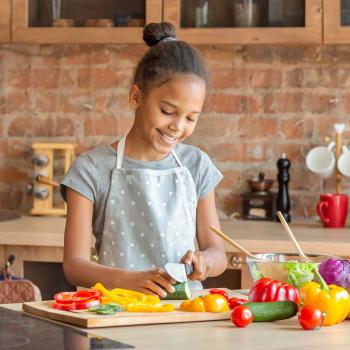
Get Cooking With Words! Creating a Recipe Using Procedural Writing
Students participate in read-alouds of books that exemplify effective word choice, explore how to choose words to best communicate an idea, and then write explicit instructions for a recipe.
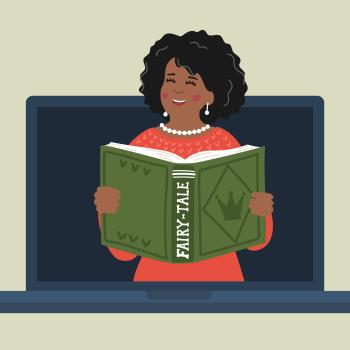
This is My Story: Encouraging Students to Use a Unique Voice
What did the wolf think of Red Riding Hood? Once Upon a Fairy Tale offers his side of the story and more, providing vivid examples of how voice enlivens narrative. After comparing versions of the story, students apply the concept of voice to Fractured Fairy Tales and other writing activities.

Learning Centers: From Shared to Independent Practice
Seven blind mice—see how they spend each day of the week in this lesson that uses the book Seven Blind Mice to guide students through shared reading, writing, and listening activities.
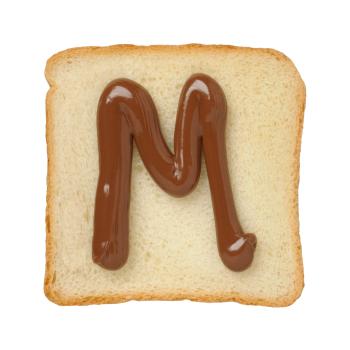
Phonics Through Literature: Learning About the Letter M
Students learn about phonics by focusing on the letter m and participating in an integrated array of activities, including reading, writing, mathematics, music, art, and technology.
E-pals Around the World
With e-pals, students develop real-life writing and social experiences, learn the format of a friendly letter and parts of an e-mail message, and discover other cultures, languages, and geographic areas.
Heroes Around Us
Students select, read about, and report on a hero and then identify how their hero matches certain criteria and characteristics. Hero reports are then compiled into a class book.
Using a Predictable Text to Teach High-Frequency Words
After reading an engaging yet predictable text about a child looking for his cat, students use a similar format and high-frequency words to craft tales about their own lost pets.

Creative Writing Through Wordless Picture Books
Students are exposed to wordless picture books and begin developing story lines, both orally and in writing, using an online, interactive story map.

Gingerbread Phonics
"Run, run, as fast as you can." Students use this refrain from The Gingerbread Man to learn letter-sound correspondence. Students use their new skills to write an online story.
Traveling Terrain: Comprehending Nonfiction Text on the Web
Students locate specific information, identify text features of nonfiction text, and write to generalize information on related topics.
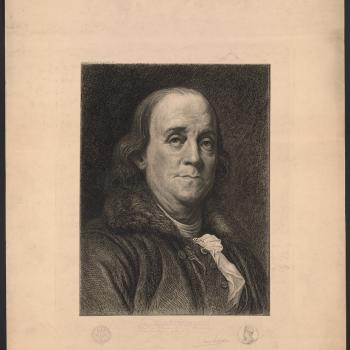
History Comes Alive: Developing Fluency and Comprehension Using Social Studies
Let the power of imagination and inference serve as a "time machine" to bring Benjamin Franklin into the classroom! History and science come to life in a dialogue with Franklin the inventor, developed through lesson activities that incorporate research, imagination, writing, visual arts, and drama.

Once They're Hooked, Reel Them In: Writing Good Endings
It's important to "hook" readers at a story's beginning, but it's equally important to keep them interested. In this lesson, students learn to write effective conclusions to their own stories.