ReadWriteThink - Powered by NCTE
  • About
  • Classroom Resources
    • Lesson Plans
    • Teaching Comics
    • Teaching With Primary Resources
    • Calendar
    • Printouts
    • Student Interactives
  • Collections
    • Assessment
    • Authors
    • Booklists
    • Media Literacy
    • Poetry
    • Primary Sources
    • Writing
  • Professional Development
    • Strategy Guides
    • Professional Library
    • Meetings & Events
  • Join NCTE
  • Contact Us
  • About
  • Classroom Resources
    • Lesson Plans
    • Teaching Comics
    • Teaching With Primary Resources
    • Calendar
    • Printouts
    • Student Interactives
  • Collections
    • Assessment
    • Authors
    • Booklists
    • Media Literacy
    • Poetry
    • Primary Sources
    • Writing
  • Professional Development
    • Strategy Guides
    • Professional Library
    • Meetings & Events
  • Join NCTE
  • Contact Us
  • Facebook
  • Twitter
  • Instagram
  • Pinterest
  • YouTube

Breadcrumb

  1. Home

Type

  • Classroom Resources
  • Professional Development

Grades

  • 1 (115)
  • 2 (123)
  • 3 (243)
  • 4 (247)
  • 5 (297)
  • 6 (352)
  • 7 (366)
  • 8 (372)
  • 9 (400)
  • 10 (396)
  • 11 (388)
  • 12 (386)
  • K (94)

Learning Objectives

  • (-) critical thinking (649)
  • (-) listening (182)
  • collaboration (458)
  • Comprehension (508)
  • digital literacy (154)
  • Grammar (57)
  • inquiry / research (350)
  • literary analysis (367)
  • Media literacy (205)
  • metacognition (302)
  • multicultural awareness (113)
  • multimodal literacy (260)
  • oral communication (224)
  • phonological awareness (61)
  • print awareness (89)
  • reading fluency (67)
  • reading genres (290)
  • Spelling (51)
  • text structure / story structure (242)
  • Vocabulary (191)
  • writing genres (382)
  • writing process (421)

Topics

  • arts
  • careers
  • community
  • drama
  • ELL
  • Family
  • fiction
  • Mathematics
  • Mobile Learning
  • nonfiction
  • poetry
  • science
  • seasons / holidays
  • social action
  • social studies / history
  • Sports
  • STEM
Fighting Injustice by Studying Lessons of the Past
Grades
6 - 8
|
Lesson Plan
|
Unit
Fighting Injustice by Studying Lessons of the Past
Social injustice occurs every day all over the world. In this lesson, students research a few historical examples of social injustice, including the Holocaust, the Trail of Tears, and Japanese internment.

Building Phonemic Awareness With Phoneme Isolation
Grades
K - 2
|
Lesson Plan
|
Recurring Lesson
Building Phonemic Awareness With Phoneme Isolation
Students improve phonemic awareness through games and chants that help them isolate beginning and ending sounds and connect them with their written symbols (graphemes).
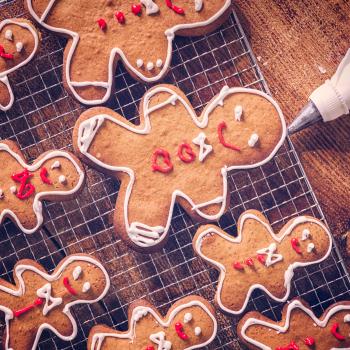
Gingerbread Phonics
Grades
K - 2
|
Lesson Plan
|
Standard Lesson
Gingerbread Phonics
"Run, run, as fast as you can." Students use this refrain from The Gingerbread Man to learn letter-sound correspondence. Students use their new skills to write an online story.
Using THIEVES to Preview Nonfiction Texts
Grades
6 - 8
|
Lesson Plan
|
Standard Lesson
Using THIEVES to Preview Nonfiction Texts
Students become "thieves" in this lesson as they use a previewing strategy to "steal" information from textbooks and other nonfiction texts before actually reading them.

Critical Media Literacy: Commercial Advertising
Grades
6 - 8
|
Lesson Plan
|
Standard Lesson
Critical Media Literacy: Commercial Advertising
By looking at advertising and mass media critically, students begin to understand how the media oppresses certain groups, convinces people to purchase certain products, and influences culture.

Critical Media Literacy: TV Programs
Grades
6 - 8
|
Lesson Plan
|
Standard Lesson
Critical Media Literacy: TV Programs
By critically analyzing popular television programs, students develop an awareness of the messages that are portrayed through the media.

Exploring World Cultures Through Folk Tales
Grades
3 - 5
|
Lesson Plan
|
Standard Lesson
Exploring World Cultures Through Folk Tales
Journey around the world with students as they read a Japanese, African, or Welsh folk tale, create a visual depiction of the tale, research the tale's culture, and present findings.
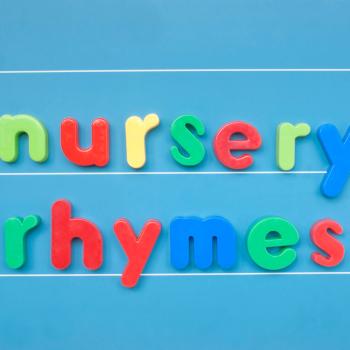
The Two Voices of the <em>ow</em> Spelling Pattern
Grades
3 - 5
|
Lesson Plan
|
Standard Lesson
The Two Voices of the ow Spelling Pattern
Variable vowels are the focus of this lesson; students use nursery rhymes and ow to study how vowels can change their sounds according to different spelling patterns.
In the Poet's Shoes: Performing Poetry and Building Meaning
Grades
6 - 8
|
Lesson Plan
|
Unit
In the Poet's Shoes: Performing Poetry and Building Meaning
Students take poetic license when they interpret William Carlos William's poem "The Red Wheelbarrow" to help create a poem of their own.

Analyzing Character Development in Three Short Stories About Women
Grades
9 - 12
|
Lesson Plan
|
Unit
Analyzing Character Development in Three Short Stories About Women
Students read three short stories about women; discuss the development of female characters, gender differences, and society's expectations; and write scripts in which the characters discuss their similarities and differences.

Getting to Know You: Developing Short Biographies to Build Community
Grades
3 - 5
|
Lesson Plan
|
Standard Lesson
Getting to Know You: Developing Short Biographies to Build Community
How well do your students know their peers? Students transform into investigative reporters as they interview a classmate, compile the biographical data into graphic form, and introduce the student to the class.
Once They're Hooked, Reel Them In: Writing Good Endings
Grades
3 - 5
|
Lesson Plan
|
Standard Lesson
Once They're Hooked, Reel Them In: Writing Good Endings
It's important to "hook" readers at a story's beginning, but it's equally important to keep them interested. In this lesson, students learn to write effective conclusions to their own stories.
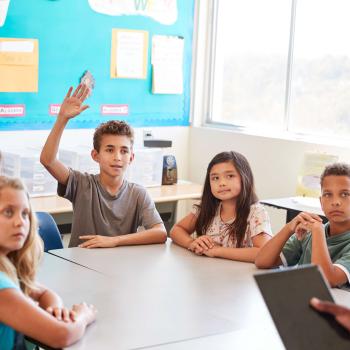
Building a Learning Community: Crafting Rules for the Classroom
Grades
3 - 5
|
Lesson Plan
|
Standard Lesson
Building a Learning Community: Crafting Rules for the Classroom
Students will learn to mind their ps and qs in this lesson on etiquette and appropriate behavior in the classroom.

Is Superman Really All That Super? Critically Exploring Superheroes
Grades
3 - 5
|
Lesson Plan
|
Standard Lesson
Is Superman Really All That Super? Critically Exploring Superheroes
What makes a superhero super? By comparing popular culture superheroes with heroic characters in children's literature, students learn to think critically about character traits, and consider how cultural perspectives influence the kinds of heroes we choose.

Digital Reflections: Expressing Understanding of Content Through Photography
Grades
6 - 8
|
Lesson Plan
|
Unit
Digital Reflections: Expressing Understanding of Content Through Photography
Striking images can leave lasting impressions on viewers. In this lesson, students make text–self–world connections to a nature- or science-related topic as they collaboratively design a multimedia presentation.
Media Literacy: Examining the World of Television Teens
Grades
6 - 8
|
Lesson Plan
|
Standard Lesson
Media Literacy: Examining the World of Television Teens
Pop culture and the classroom collide in this lesson when students go behind the scenes to analyze a television series for characterization to use in an original television show proposal.

Slipping, Sliding, Tumbling: Reinforcing Cause and Effect Through Diamante Poems
Grades
6 - 8
|
Lesson Plan
|
Standard Lesson
Slipping, Sliding, Tumbling: Reinforcing Cause and Effect Through Diamante Poems

Writing, revising, and publishing are just a few of the tasks students will complete in order to take their cause-and-effect diamante poems from an idea to a reality.

Music and Me: Visual Representations of Lyrics to Popular Music
Grades
9 - 12
|
Lesson Plan
|
Unit
Music and Me: Visual Representations of Lyrics to Popular Music
Students will whistle while they work on this lesson, creating a photomontage movie of their interpretation of a favorite song's lyrics that will end everyone's day on a high note.
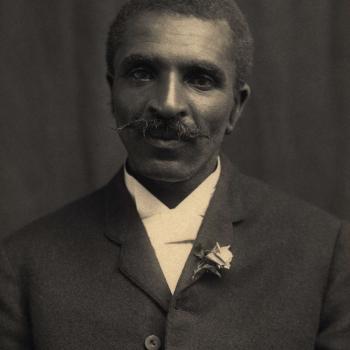
Great American Inventors: Using Nonfiction to Learn About Technology Inventions
Grades
3 - 5
|
Lesson Plan
|
Standard Lesson
Great American Inventors: Using Nonfiction to Learn About Technology Inventions
Who are the people behind the world's greatest inventions? Students read biographies of a terrific trio of American inventors and create presentations that highlight how their inventions from the past impacted the future.

Bingo! Using Environmental Print to Practice Reading
Grades
K - 2
|
Lesson Plan
|
Standard Lesson
Bingo! Using Environmental Print to Practice Reading
The game Bingo is transformed in this lesson in which students use symbols and images to make connections to environmental print through the use of personalized Bingo cards.

Pagination

  • First page « First
  • Previous page ‹‹
  • …
  • Page 19
  • Page 20
  • Page 21
  • Page 22
  • Page 23
  • Page 24
  • Page 25
  • Page 26
  • Page 27
  • …
  • Next page ››
  • Last page Last »

Explore Resources by Grade

  • KindergartenK
  • 1-2
  • 3-4
  • 5-6
  • 7-8
  • 9-10
  • 11-12

RWT-logo

Powered By NCTE

Footer 1 Menu

  • About
  • Classroom Resources
  • Professional Development
  • Collections
  • Contact Us

Footer 2 Menu

  • National Council of Teachers of English
  • Contribute to RWT
  • FAQs
  • Join NCTE

Footer 3 Menu

  • Legal Notices
  • Privacy Policy
  • Promotional Materials
  • Site Demonstrations

Want to stay in touch with RWT and NCTE? Sign up here!

  • Facebook
  • Twitter
  • Instagram
  • Pinterest
  • YouTube

© NCTE 2026. All rights reserved